The Prime Minister announced this week that the Government is preparing measures to streamline state structures. These involve reducing staff numbers by 10–30 per cent and merging certain agencies.
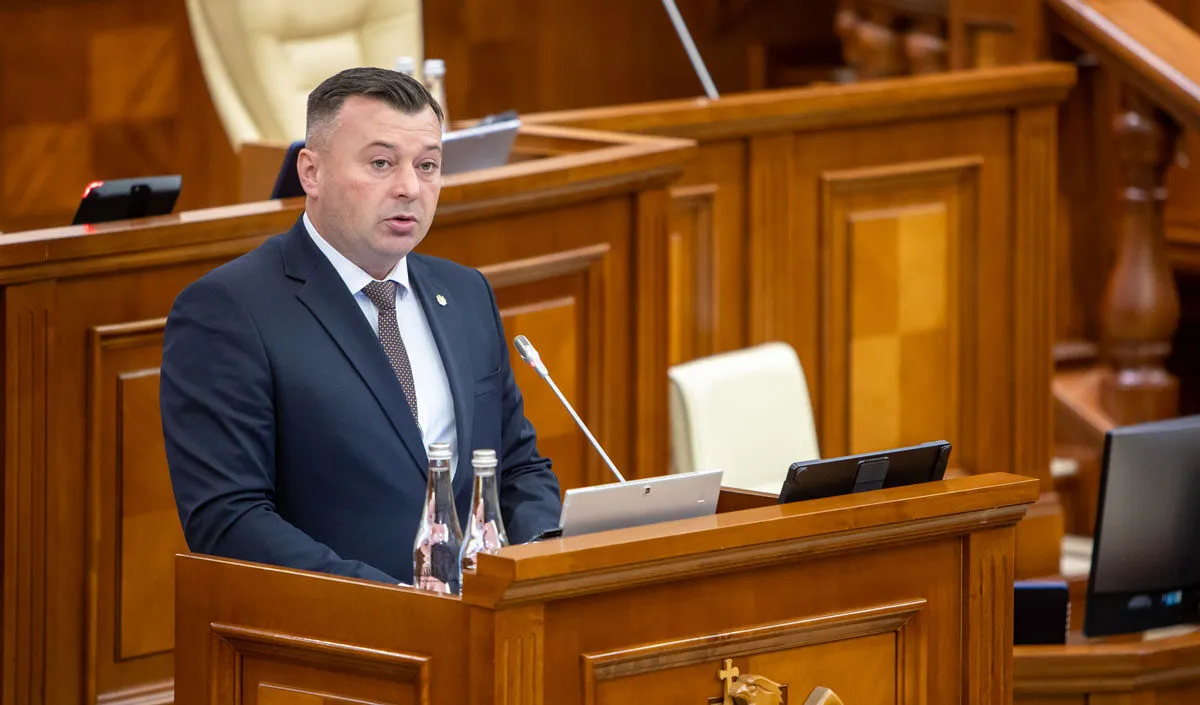
The territorial-administrative reform will also bring about changes in the organisation of healthcare services. According to the Minister for Health, Alexandru Gasnaș, the Ministry will have to adapt health centres and healthcare services to the new administrative structure.
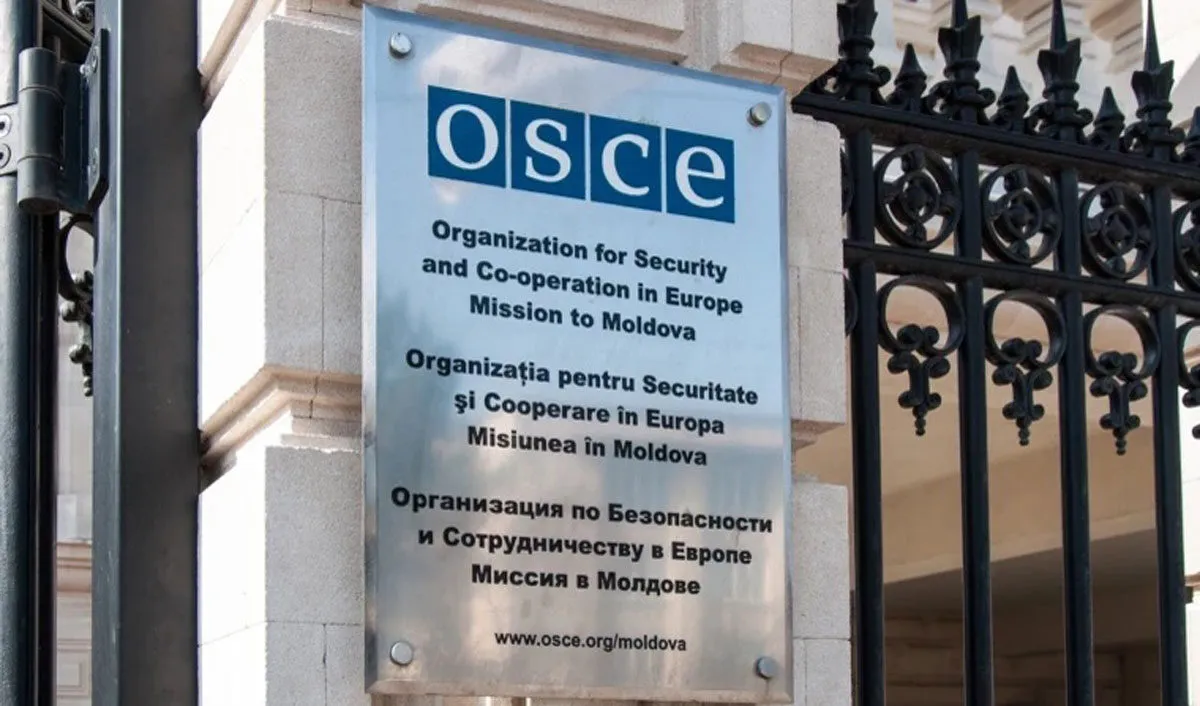
Today, the OSCE Mission to Moldova’s office in Tiraspol hosted a meeting of Representatives for Political Issues in the Transdniestrian settlement process.
The new draft Methodology for Voluntary Amalgamation changes the rules for administrative-territorial units that have already amalgamated, transfers decisions on financial resources to the central level of government, and gives rise to dependency and politicisation.

The village council of Giurgiulești is calling for the preservation of its special status as an independent administrative-territorial unit, rejecting forced amalgamation. The local administration has put forward a number of arguments regarding the strategic and economic significance of the settlement.

Local development priorities, the management of budgetary resources and the investments required to improve living standards were at the centre of discussions during the meeting on 19 September between the Prime Minister of Moldova, Vasile Tofan, and the heads of local administrations in the Gagauz Autonomous Territorial Unit.
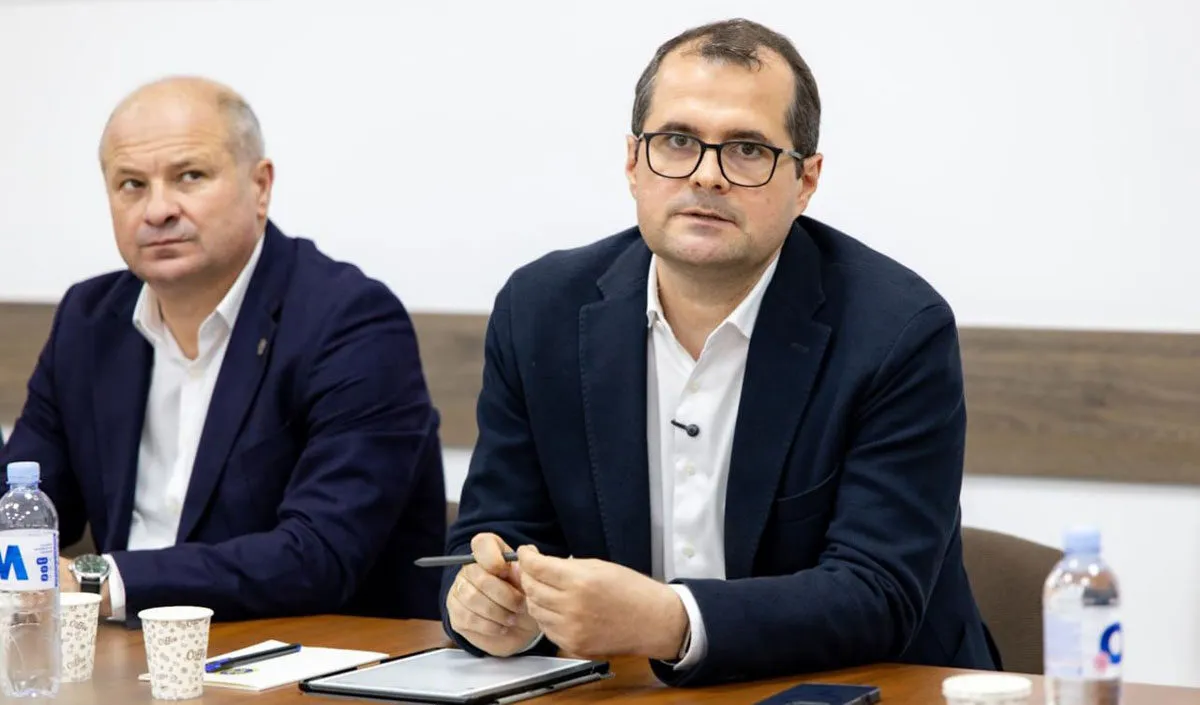
Adrian Teban, mayor of Cugir (Romania) and a member of the European Committee of the Regions, elaborated on this point during a meeting in Chișinău of the Joint Consultative Committee established between the European Committee of the Regions and Moldova.
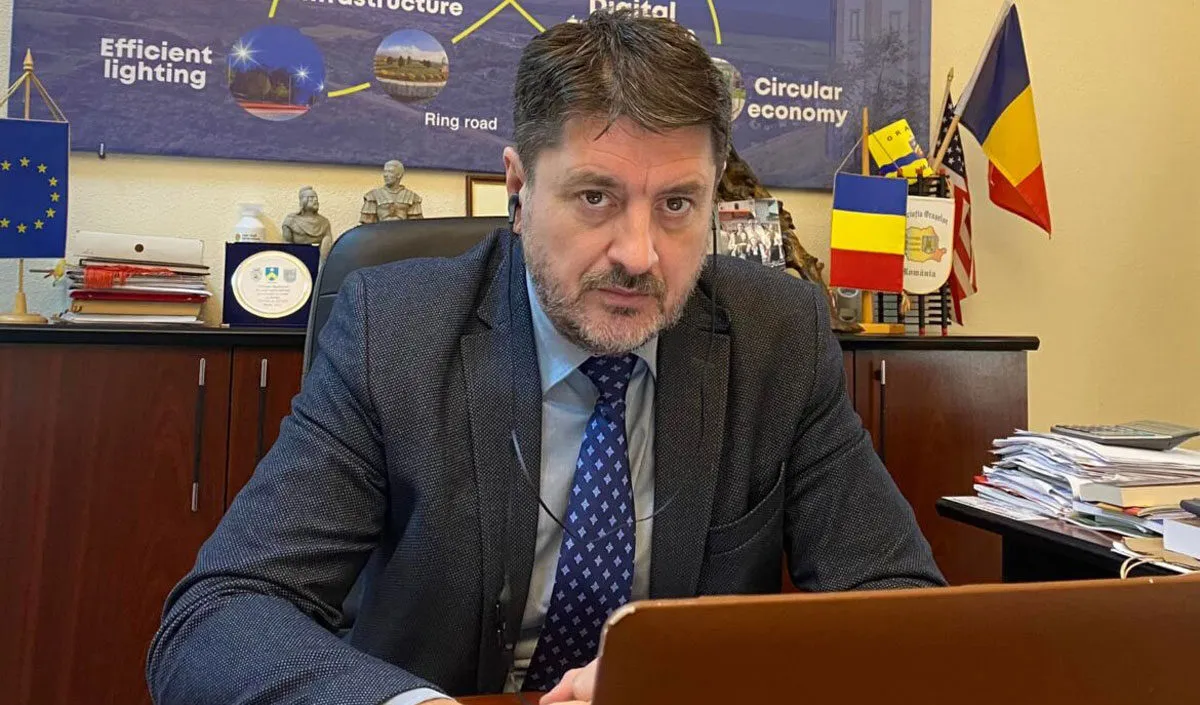
This view was expressed by Alexandru Bujorean, mayor of Leova and vice-president of the Congress of Local Authorities of Moldova (CALM), during the first meeting of the Joint Consultative Committee of the European Committee of the Regions and the Republic of Moldova.
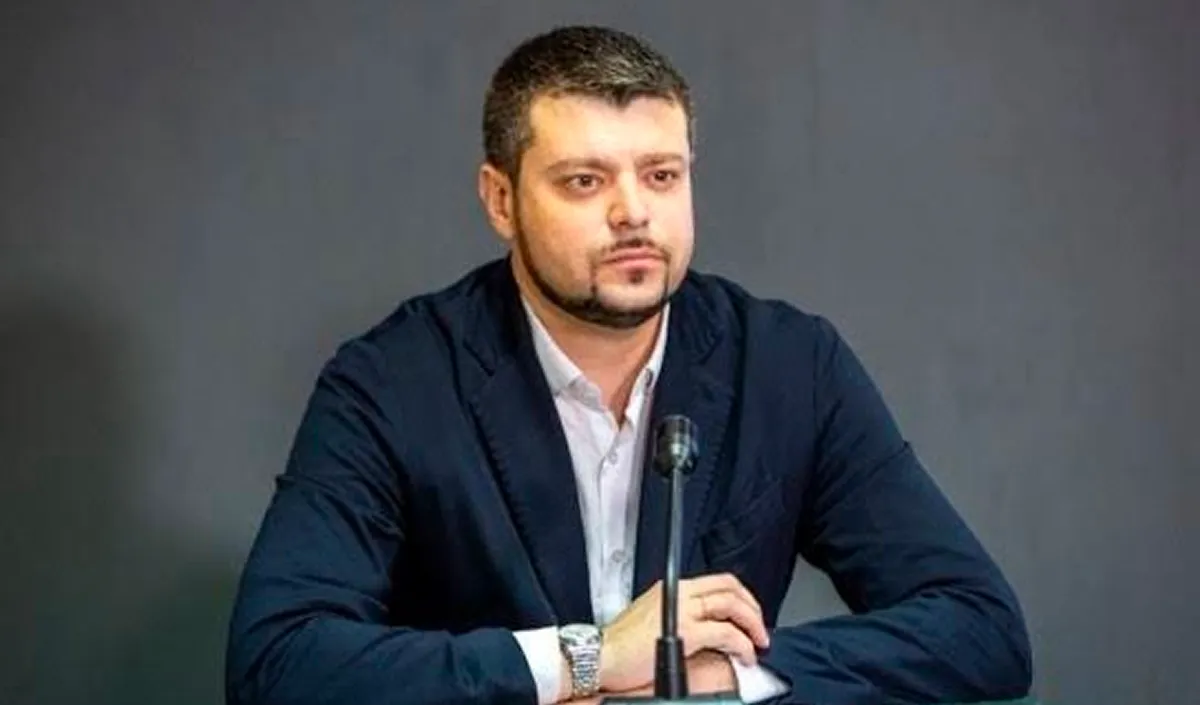
The fate of the districts has been decided. Parliamentary Speaker Igor Grosu, speaking in connection with the reform of the administrative-territorial structure, stated that there will be no districts in the current sense of the word within the country’s new structure.
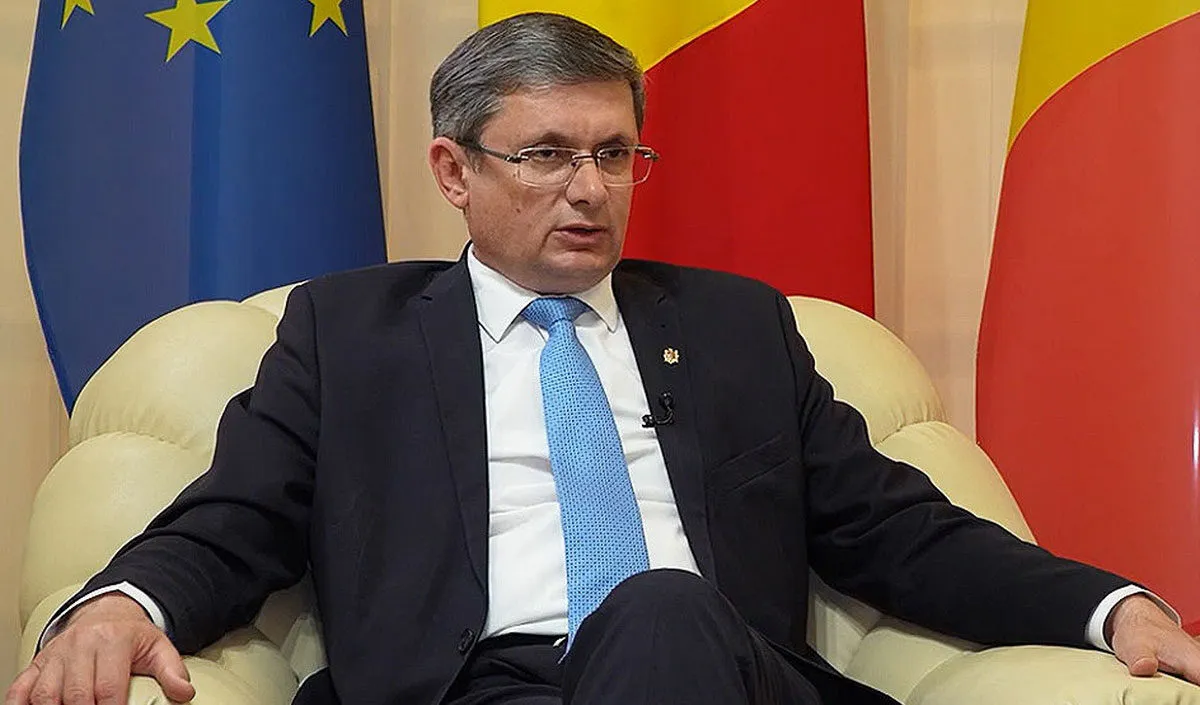
Igor Munteanu, Moldova’s former ambassador to the US and a former member of parliament, believes that the transition from 32 districts to 10 will not solve the key problems of local government. He proposes forming three large regions in the country, each with a population of over 800,000, and explains the rationale behind his proposal.