Send us a message, and we will definitely consider your suggestions and comments.

In September 2026, Energocom purchased a total of 266,565 MWh of electricity. Purchases were made from both domestic and imported sources. The weighted average price of the purchased electricity was 157.42 euros/MWh.

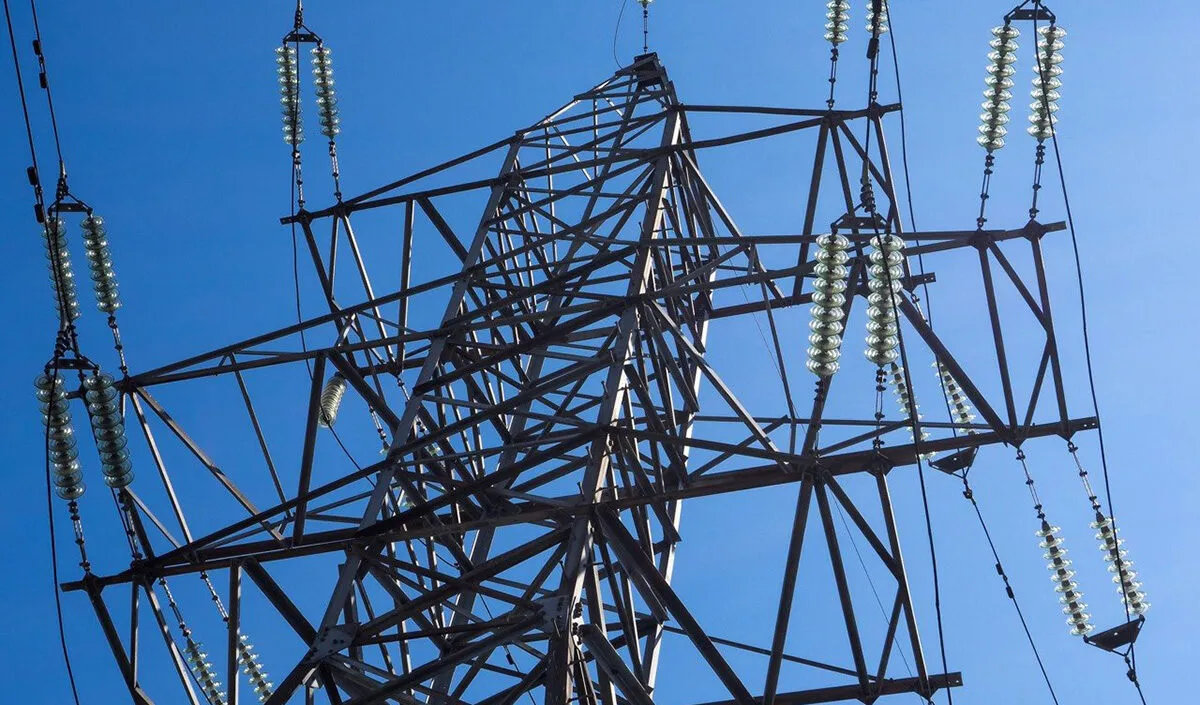
The US Embassy in the Republic of Moldova has announced the establishment of a working group for the Strășeni–Gutinaș Trump Liberty Line power line project, which is funded by the US government.

European businesses are facing a tough winter due to high energy prices, despite the G7 countries’ decision to release oil from strategic reserves onto the market. This was stated by European Commission spokesperson Anna-Kaisa Ikkonen.
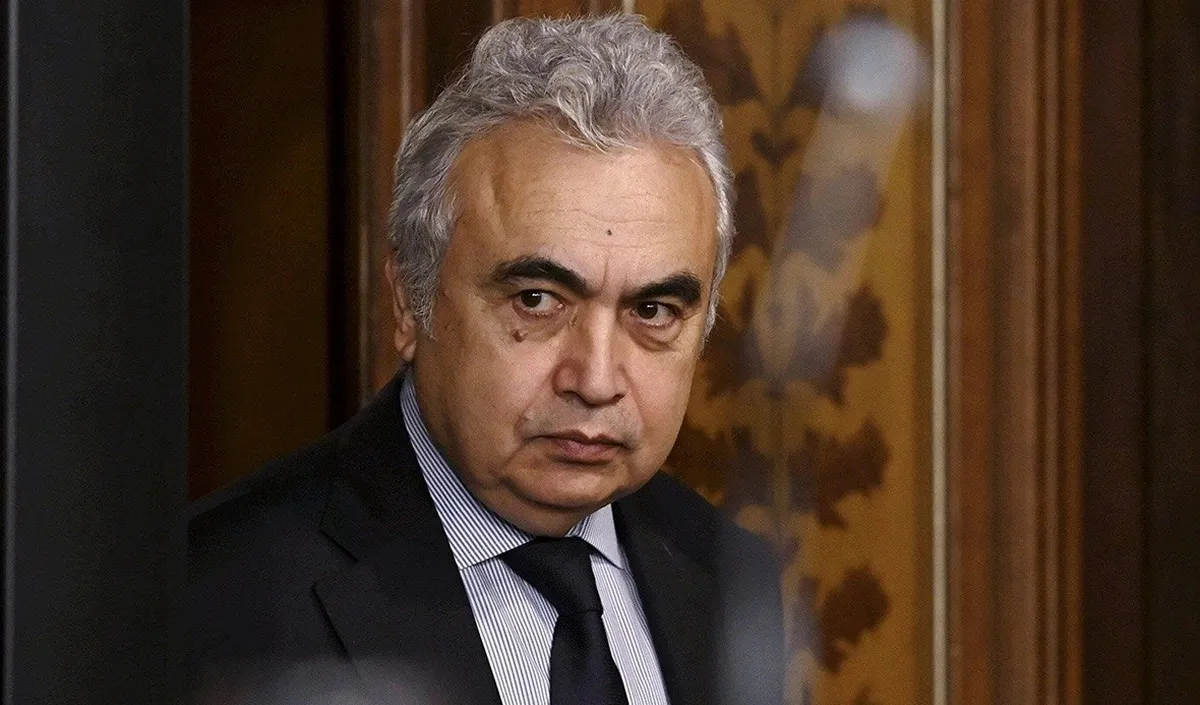
The European Union has not yet taken a decision on providing further financial support to the Republic of Moldova to reduce energy bills this winter. EU representatives have stated that the matter is under discussion, but there are no concrete commitments as yet. At the same time, they consider it “admirable” that Moldova “has abandoned all forms of gas supply from Russia”.

The Ministry of Energy has published on the website particip.gov.md a draft government decision on the commencement of land expropriation for the 400 kV Bălți–Suceava power line.
US President Donald Trump has stated that he will not impose a ban on diesel fuel exports.

The transformation of the Republic of Moldova’s energy sector is creating new opportunities for investment in renewable energy generation, storage, infrastructure, energy efficiency and the development of energy markets.

Issues relating to the optimisation of energy companies’ operations and improving their operational efficiency were the subject of discussions at the Ministry of Energy on 2 October. Alongside company management, representatives of the National Energy Regulatory Agency (ANRE) also took part in these discussions.

On 30 September, the specialist agency Argus set the price at 75.516 euros/MWh. The cost of natural gas supplied in October is calculated on the basis of the daily average values of the TTF Front Month benchmark index, as used in the index-linked purchase and sale contracts for September.

The authorities are examining the possibility of introducing additional measures to ensure that households are not disconnected from the heating supply during the winter due to non-payment or late payments. The Minister for Labour and Social Protection, Natalia Plugaru, made this statement, noting that the possibility of paying bills in instalments is also being considered.
The government intends to increase the level of energy compensation this winter, given that people are facing a difficult situation and “are at their wits’ end”, said Prime Minister Vasile Tofan.
The OSCE has launched a new geospatial platform that illustrates how heatwaves, droughts, heavy rainfall and other climate factors could affect the energy infrastructure of Moldova and other regions by 2050. The tool is designed to help governments and energy companies take climate risks into account in their long-term planning.
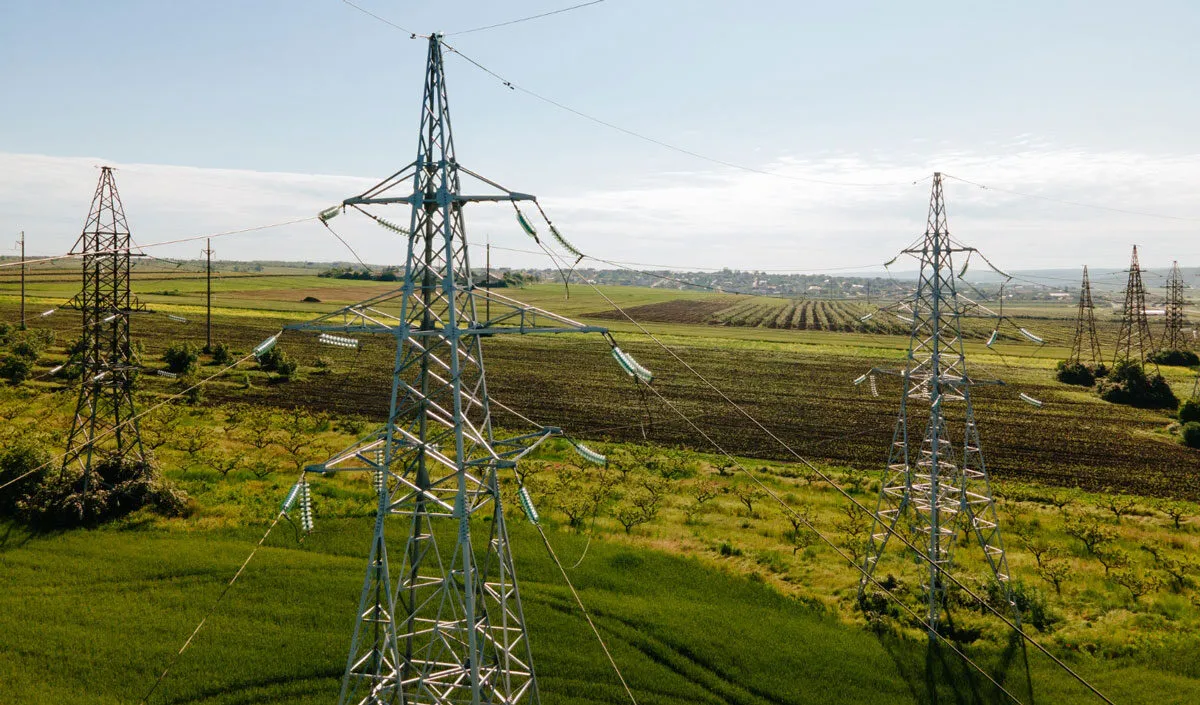
Five local authorities in the Republic of Moldova have signed loan and grant agreements with Nefco – Nordic Green Bank to improve the energy efficiency of six educational institutions in the country. The projects will be implemented in Anenii Noi, Cărbune, Mîndrești, Ungheni and Zubrești.

Small renewable energy producers and non-profit organisations will be able to benefit from the new digital tool. It enables them to forecast energy generation more effectively and monitor deviations from planned volumes in real time. This tool will be developed as part of the ‘Technical Platform for Responsibility Balancing’ (PTRE), an innovative pilot project which, following government approval, will be implemented within the ‘Energy Sandbox’.

The electricity market in the Republic of Moldova will be brought into line with EU rules through amendments to the Electricity Act. The draft is currently at the public consultation stage, and proposals and recommendations from interested parties may be submitted until 21 October 2026.

For the delivery date of 1 October 2026, 4,816.5 MWh of electricity was sold on the Day-Ahead Market (PZU), operated by OPEM, for 9.52 million lei (approximately 471,000 euros) – the largest volume in the market’s history.

Serbia and the Russian company Gazprom have officially extended the agreement on natural gas supplies on preferential terms. The current contract, which was due to expire today, has been extended for a further three months – until 31 December 2026.

The government is set to adjust the framework for implementing and financing the electricity system development project by restructuring it and partially cancelling €3.5 million in funding for components that are no longer to be built.

Prime Minister Vasile Tofan maintains that the Republic of Moldova must seek natural gas supplies from all countries where there is a possibility of securing favourable contracts, including Qatar, Azerbaijan and Turkmenistan. According to him, the authorities will, at the same time, seek to secure lower prices through long-term contracts and maximise compensation for the population during the cold season.

Energy Minister Dorin Junghietu spoke about the shift in approach to energy efficiency at a meeting of energy ministers within the framework of the EU Transport, Telecommunications and Energy Council.