The audit of Chisinau Municipality’s consolidated financial statements for 2025 resulted in the harshest possible verdict for the capital’s authorities: the Court of Auditors issued an adverse opinion on them. In auditors’ terms, this means that the accounts do not merely contain isolated errors – they are so fundamentally distorted that they do not provide a true and fair view of what the city owns, how much it earns and how it spends its funds.

The Audit Chamber has identified cybersecurity risks and a low level of data protection on the MCloud government cloud platform. The government cloud requires an urgent update to its cybersecurity rules and regular testing of systems to prepare for major disruptions or cyber-attacks. The Audit Chamber reached this conclusion following its audit, noting that, due to poor coordination between departments and the fragmented nature of the infrastructure, the platform’s potential is not being utilised to the full.

Final acceptance of the ‘Arena Chișinău’ multi-purpose complex cannot be carried out, despite the fact that the facility has already been put into operation. The reason for this is that the private partner failed to prepare a cost estimate using the resource-based method — a key document without which it is impossible to verify the actual volumes and cost of the construction work carried out. The Court of Auditors presented its arguments to Parliament.

Interview with Adrian Lebedinsckii, Chair of the Parliamentary Committee on Public Finance Oversight.

The Moldovan Border Police’s unique secure communications system is at risk of being paralysed due to unresolved bureaucratic procedures and commercial debts. According to the findings of an audit by the Court of Auditors, 28 telecommunications masts and 16 technical facilities, with a total value of 31.2 million lei, have not yet been legally transferred to the state and are featured in enforcement proceedings against a private company.
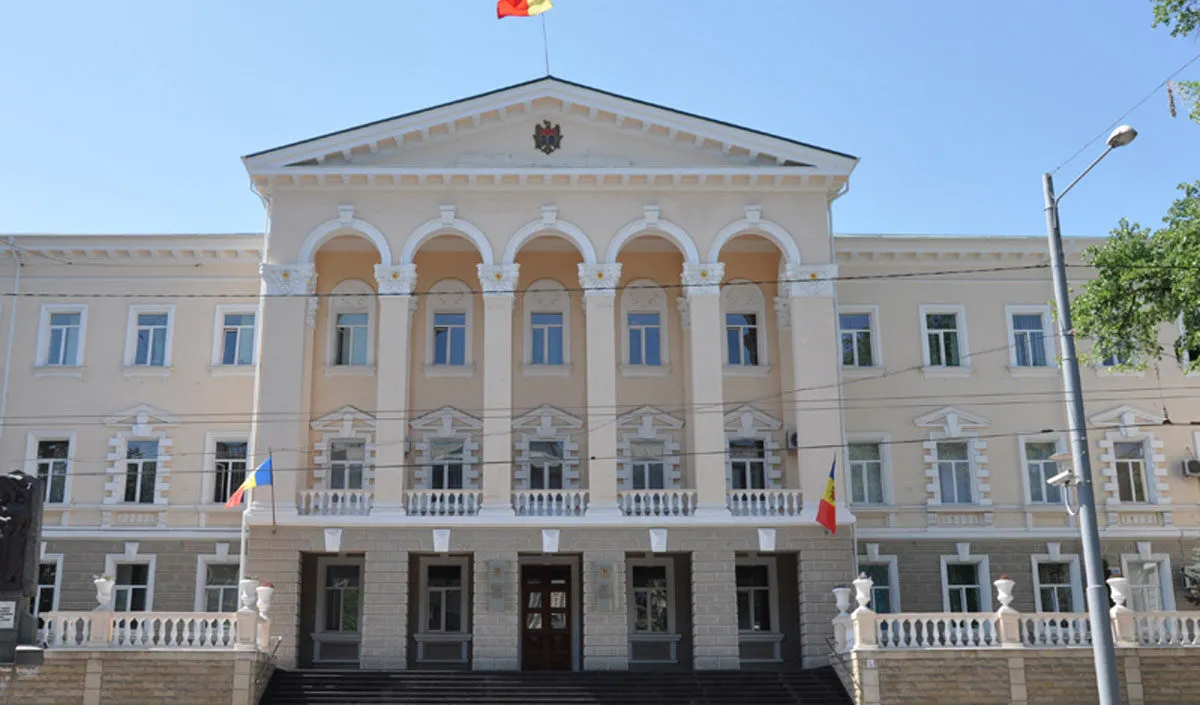
The Court of Auditors identified shortcomings in the accounting of assets and the use of budget funds, as well as in the conduct of public procurement and the acceptance of works in the capital in 2025. In response, Chisinau City Hall emphasises that these are technical accounting errors, not financial losses.
The Court of Auditors has presented the results of its audit of the Ministry of Defence’s financial statements for the year 2025. The audit identified several issues in the recording and management of public assets, as well as in the internal control system.

No significant violations were found in the management of the funds allocated for the organization of the 2024 presidential election and the republican constitutional referendum. The Audit Office examined how the Central Election Commission managed the funds allocated for these purposes, which amounted to 65% of the commission’s annual budget.

Significant exchange rate fluctuations and increased reliance on short-term borrowing exacerbate fiscal risks, as they require frequent refinancing. The Audit Office conducted an assessment of public debt management, state guarantees, and refinancing in 2025, identifying deviations from the external public debt ceilings and from the target ranges set out in the Medium-Term Debt Management Program.

Numerous violations of financial discipline in the accounting of state assets of the Ministry of Defense were revealed in the course of an external audit. Understatement of value, misstatement of costs, and other reporting shortcomings prevented the Accounts Chamber from issuing a final opinion without reservations about the legality of the ministry’s use of state appropriations in 2025.