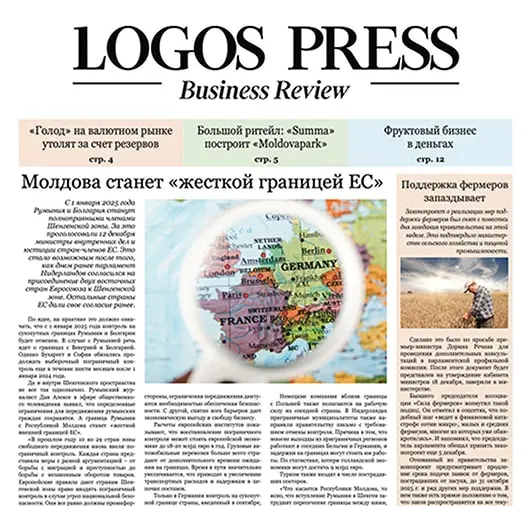
The reform of second-tier local public administration involves a transition from 32 districts to three regions — North, Centre and South — and three municipalities, including Taraclia. Chișinău, Bălți and the Gagauz Autonomous Territorial Unit (UTA) will retain their special status. Some of the districts’ powers will be transferred to local councils, whilst others will be taken over by central authorities. The proposal promises to maintain local services, but leaves questions unanswered regarding funding, representation and the future of Transnistria.

Sports and arts schools in the Republic of Moldova could come under the authority of first-level local public authorities as part of the administrative-territorial reform. This was announced by the Minister of Education and Research, Dan Perciun, who stated that the proposal had been discussed with the State Chancellery.

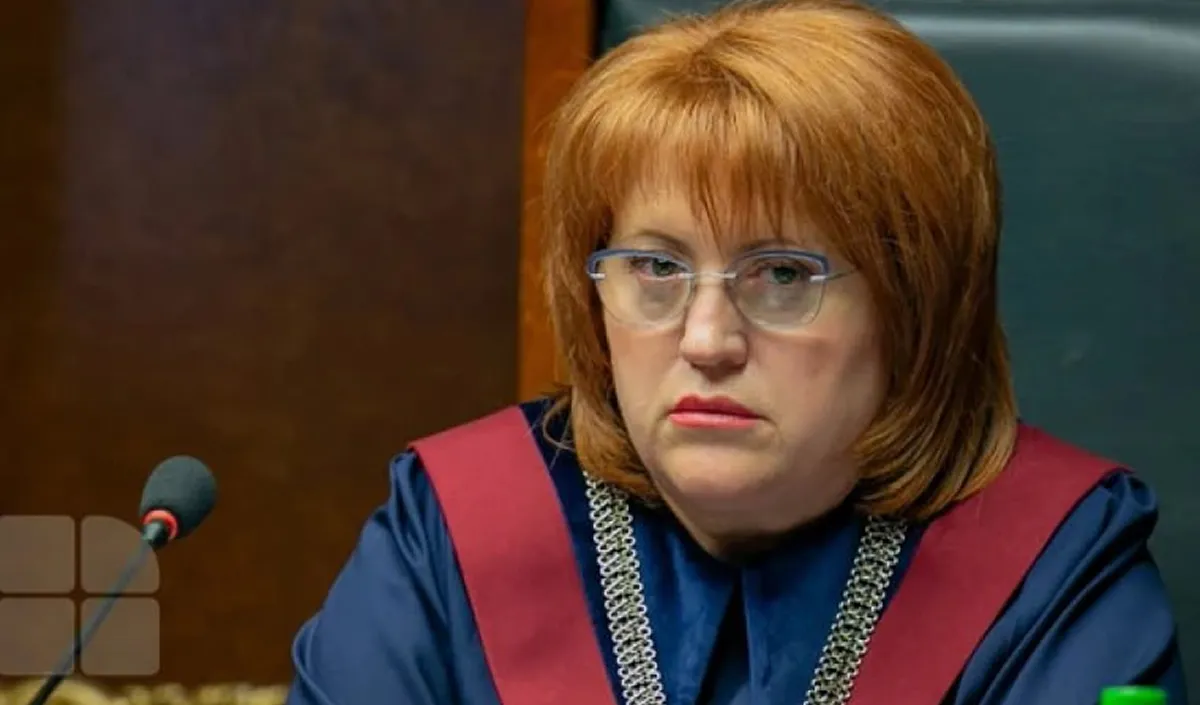
The requirement for candidates for the office of governor of Gagauzia to have a knowledge of the Romanian language is neither new nor unexpected, as it is based on the linguistic status established by the Constitution and legislation for more than three decades. The President of the Constitutional Court, Domnica Manole, explained the Court’s reasoning during the review of the constitutionality of this provision.
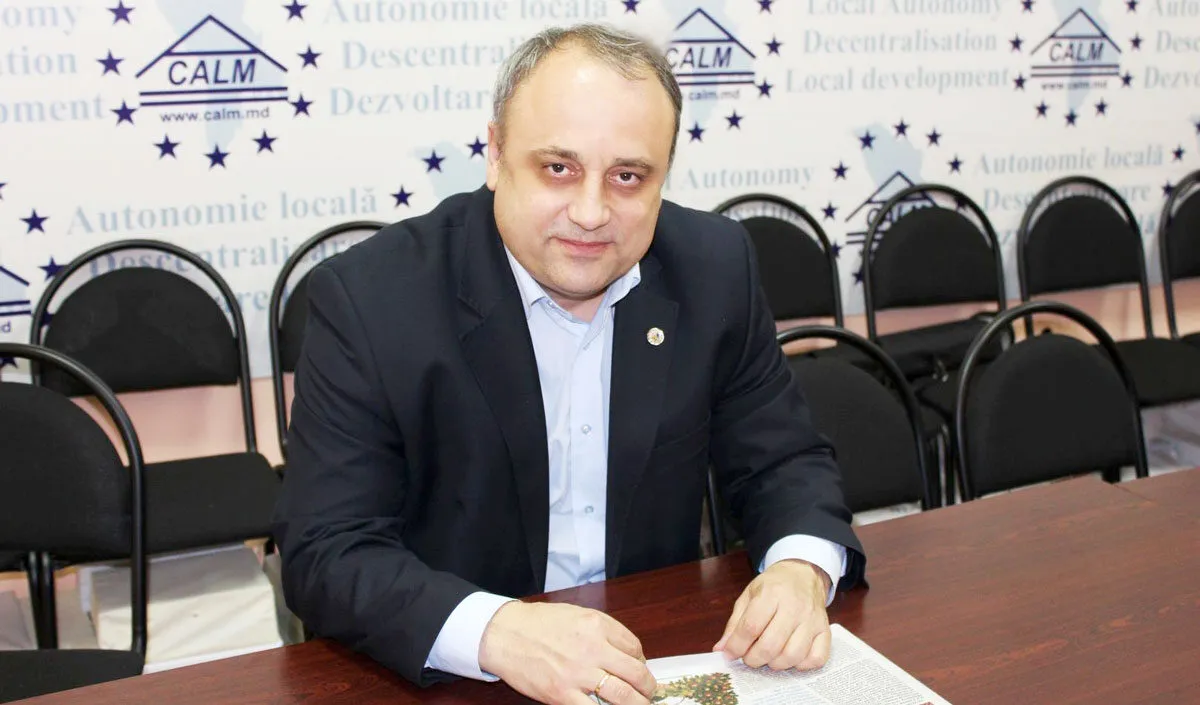
The Congress of Local Authorities of Moldova (CALM), which had strongly criticised the procedure for implementing the administrative-territorial reform, welcomes the new concept for the reorganisation of second-tier local government, presented yesterday by the government.
The regions will not replace the local councils nor will they take over public services at local level as part of the reform of second-tier local public administration, stated Prime Minister Vasile Tofan, whilst presenting the concept for the reform of second-tier local public administration.
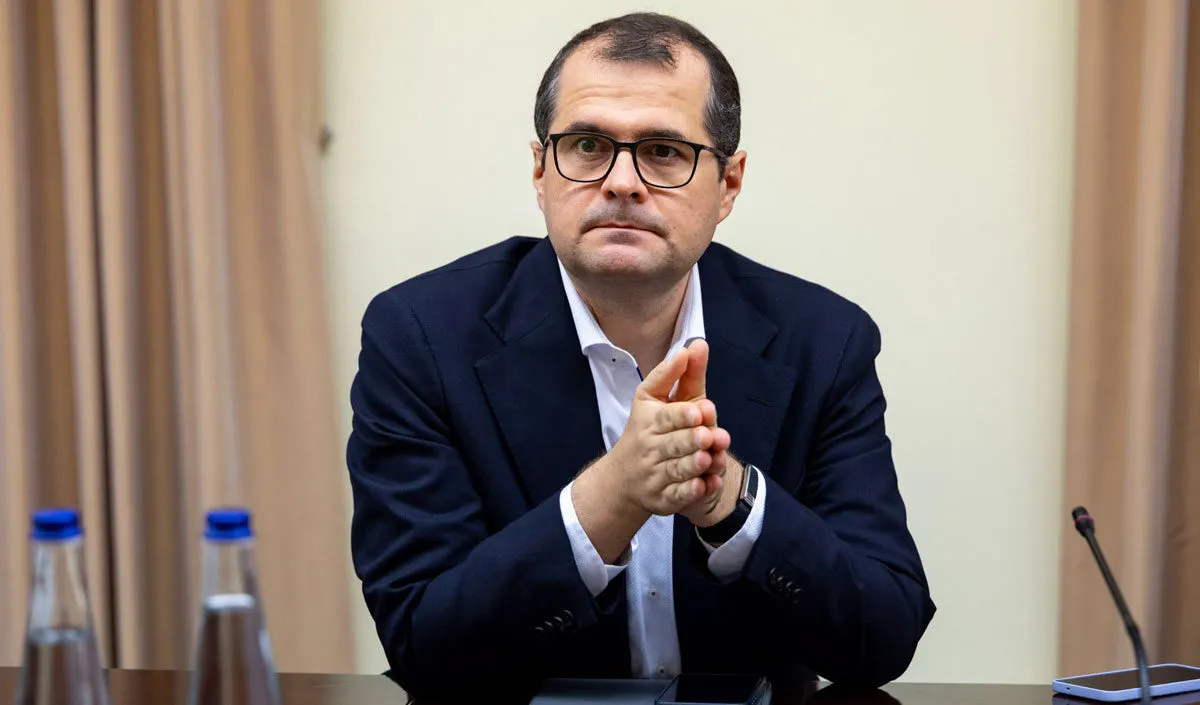
Prime Minister Vasile Tofan presented the concept for the reorganisation of the second-tier public administration. According to him, the 32 districts will be replaced by three regions – north, centre and south.
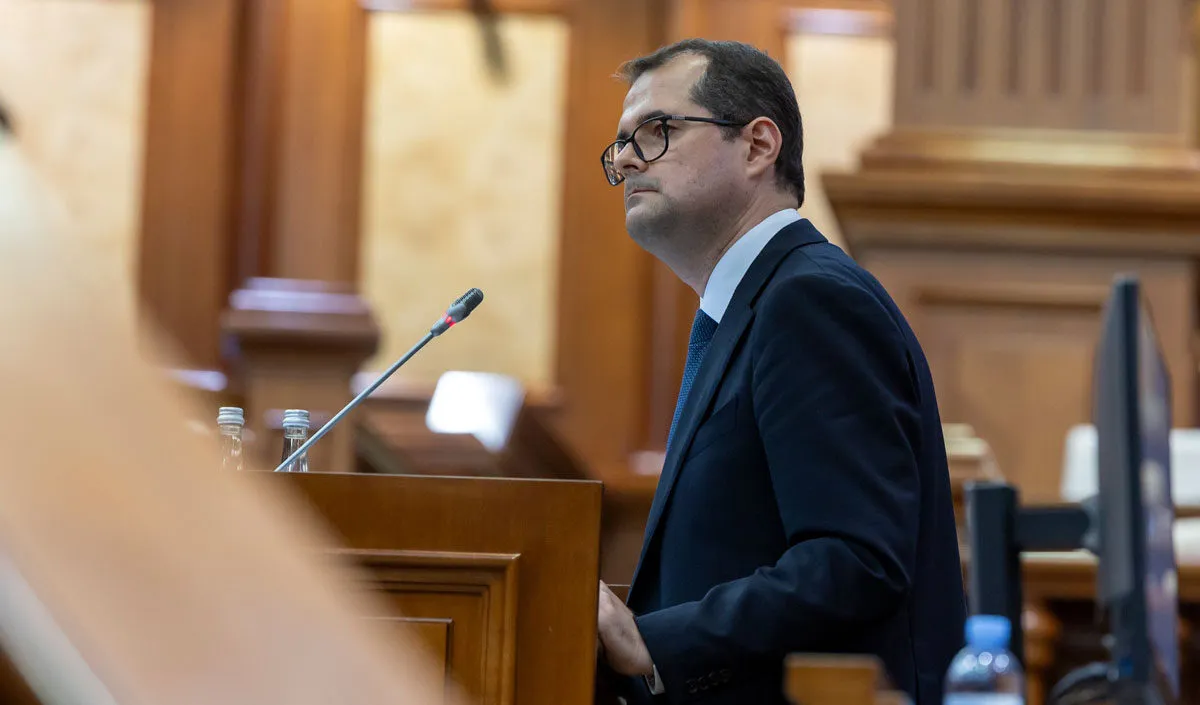
The Government will present tomorrow the concept for public administration reform at the second level, which concerns the districts. According to Prime Minister Vasile Tofan, the authorities will publish their vision for administrative-territorial organisation at the second level and will subject it to public consultation.
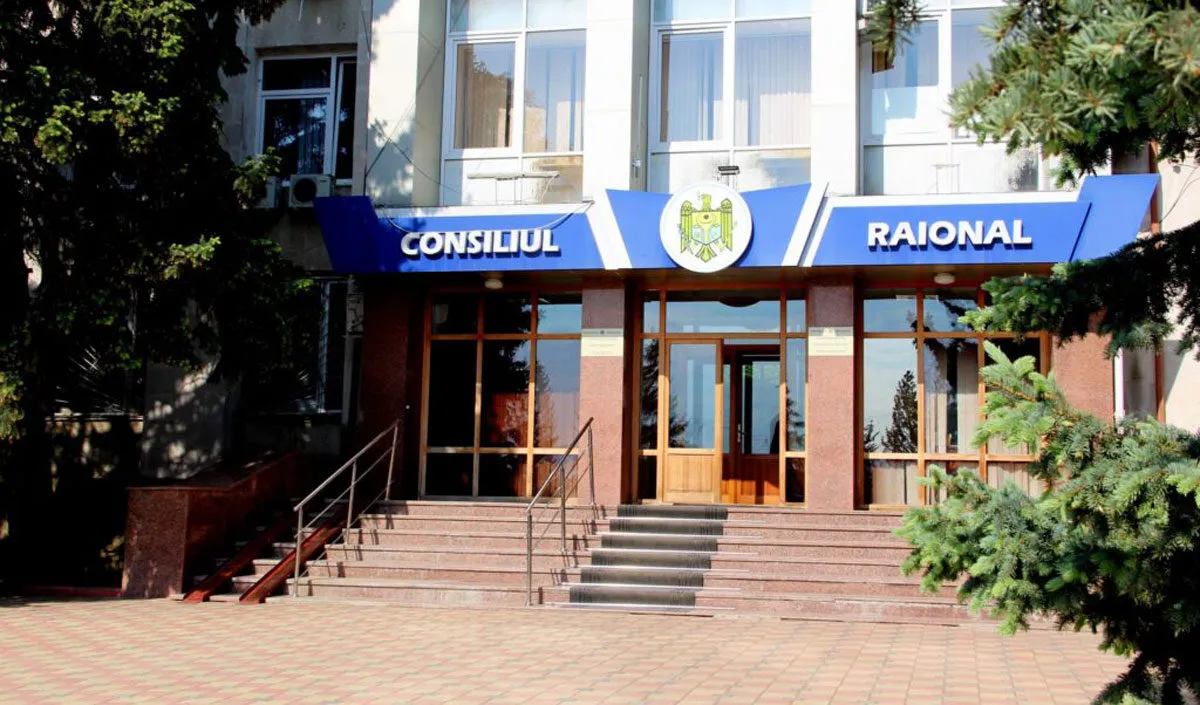
The State Chancellery has announced the launch of work on a draft law concerning the administrative-territorial organisation of the Republic of Moldova.

The Prime Minister announced this week that the Government is preparing measures to streamline state structures. These involve reducing staff numbers by 10–30 per cent and merging certain agencies.
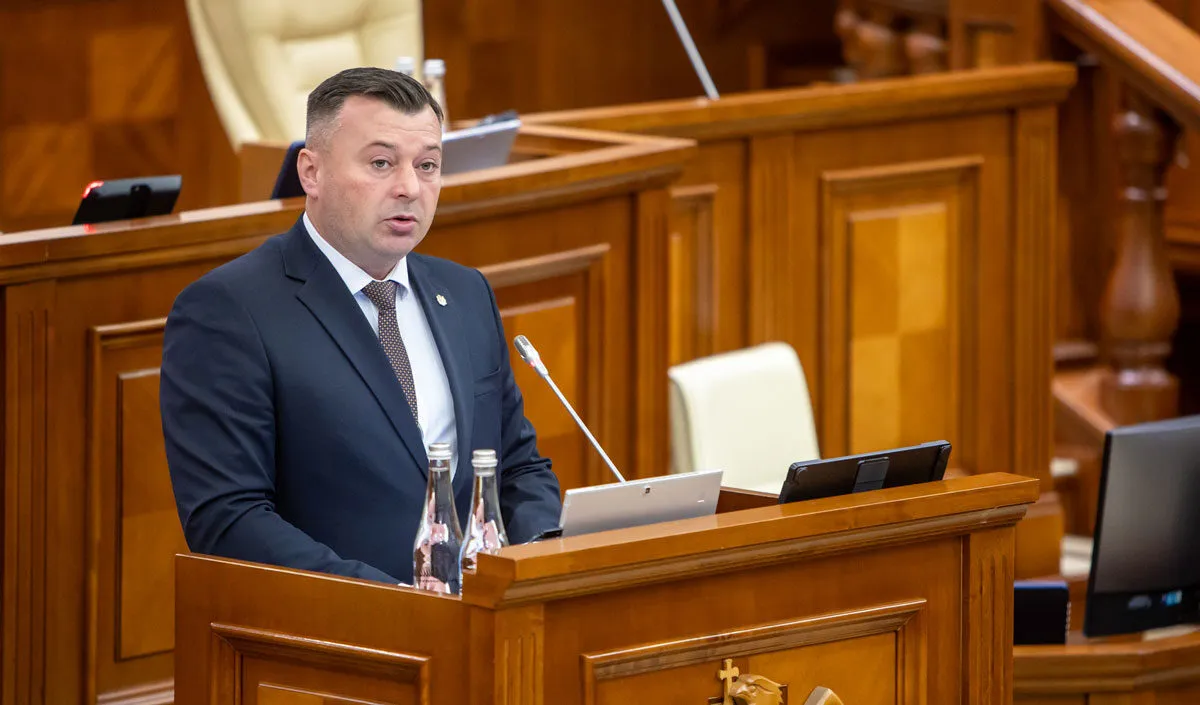
The territorial-administrative reform will also bring about changes in the organisation of healthcare services. According to the Minister for Health, Alexandru Gasnaș, the Ministry will have to adapt health centres and healthcare services to the new administrative structure.