Send us a message, and we will definitely consider your suggestions and comments.

The Ukrainian Government has approved a mechanism to compensate shipowners for damage to vessels resulting from Russian attacks. The state is entitled to reimburse up to 80 per cent of the assessed damage not covered by war risk insurance. However, the actual amount of payments will depend on the availability of appropriate funding in the state budget. Payments will be made in hryvnias to accounts held with Ukrainian banks.

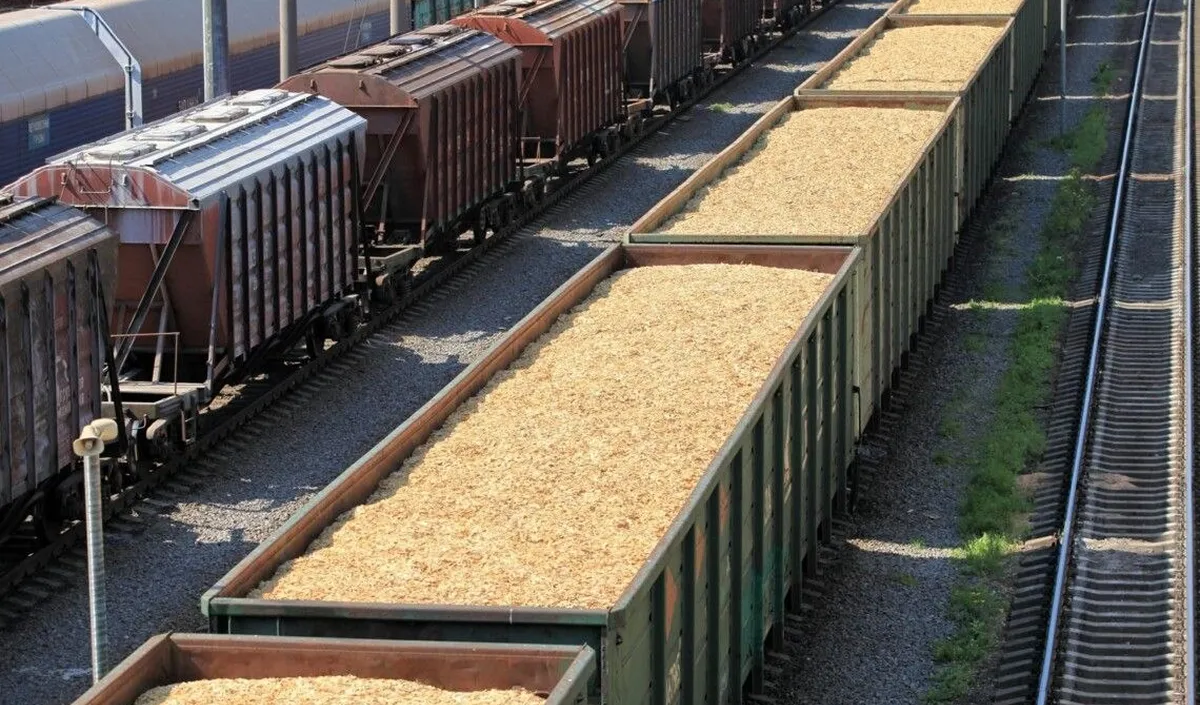
The Association of Grain and Oilseed Exporters ‘Agrocereale’ has requested clarification from the state-owned enterprise ‘Calea Ferată din Moldova’ regarding the reasons for the 15 per cent increase in freight tariffs, as well as the methodology used for the relevant calculations.
Through the Neighbourhood Investment Platform, the European Union is providing an investment grant of up to €4.8 million for the restoration of the ‘Masivul Căușeni’ and ‘Puhăcenii de Sus’ centralised irrigation systems.

Between 2023 and 2026, infrastructure and development projects totalling around 3 billion lei have been approved for the municipality of Chișinău, of which approximately 1.5 billion lei has already been allocated to projects that have been completed or are currently underway.
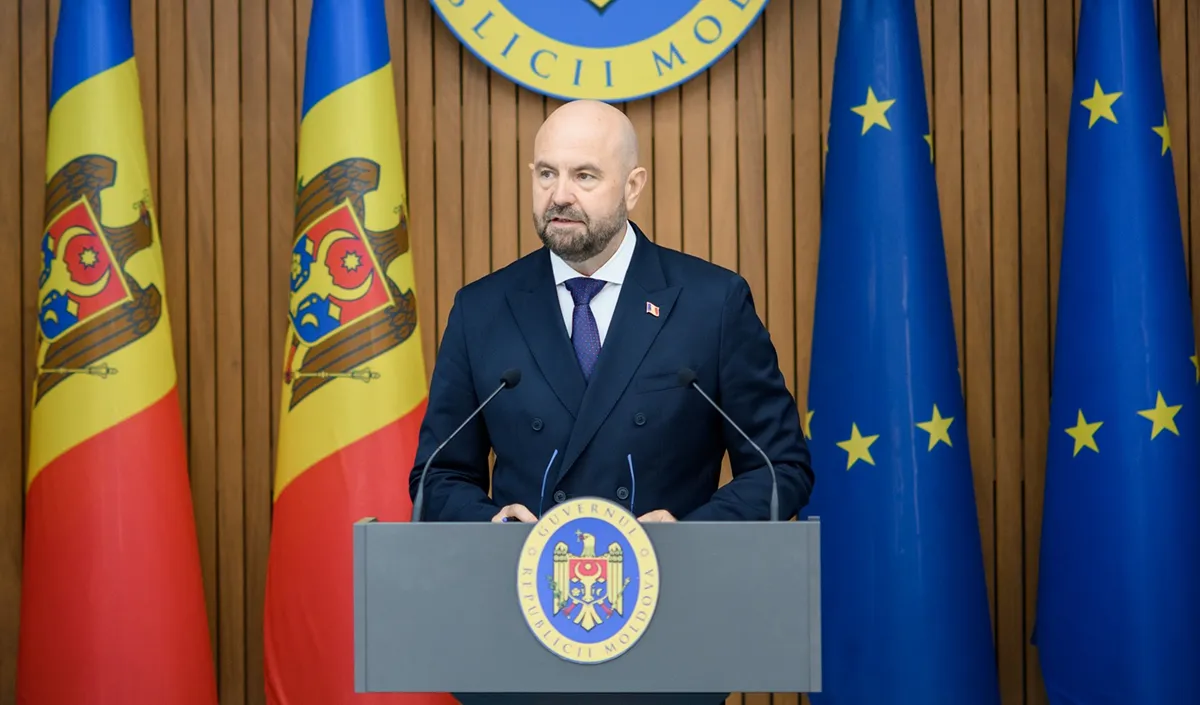
Moldova and Ukraine have agreed to increase the water flow released from the Novodnistrovsk hydroelectric complex by approximately 20 per cent compared with the previous period. The decision was discussed during a meeting between the Prime Minister of the Republic of Moldova, Vasile Tofan, the Minister for Energy, Dorin Junghietu, and the First Deputy Prime Minister and Minister for Energy of Ukraine, Denis Shmyhal.

Infrastructure financing, transport corridor development, logistics modernization, digitalization of transport processes and the use of innovative technologies to improve efficiency and connectivity were the focus of discussions at the annual summit of the International Transport Forum (IFT).

More than 80% of Moldova’s housing stock is located in rural settlements. This is evidenced by the final data of the population and housing census presented by the National Bureau of Statistics.

According to the 2024 Census of Population and Housing Stock in Moldova, there are more than 1.12 million residential structures in the country, most of which are concentrated in rural areas. The National Bureau of Statistics (NBS) disseminated final data on the characteristics of the housing stock, including dates of construction, construction materials used and regional differences.