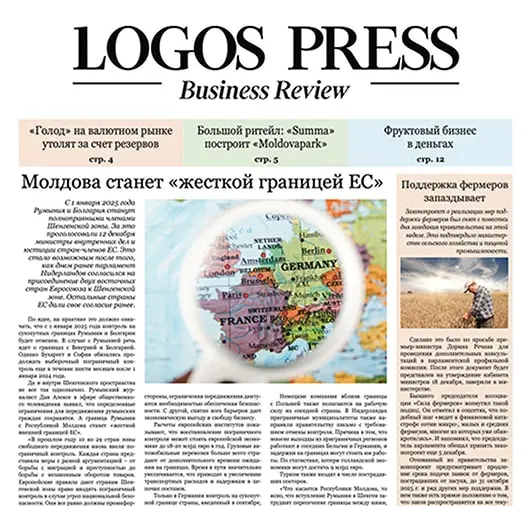
Claudiu Nasui, Minister for Economic Development and Digitalisation of the Republic of Moldova, stated on Tuesday in an interview with the Agerpres news agency that Moldova is ahead of Romania in certain areas, particularly in terms of digitalisation. A former Minister for the Economy in the Bucharest government, Nesui maintains that Romania has much to learn from Chișinău in this sector.

According to data from the National Bureau of Statistics, as of the start of 2026, there were 611,900 people aged 60 and over living in Moldova, accounting for 25.9 per cent of the total resident population. The population ageing ratio stood at 25.9 per cent at the start of 2026, indicating a high level of demographic ageing.

This week, a large-scale sowing campaign for winter cereals – wheat and barley – has begun in Moldova. Opinions vary widely as to how much land these crops will occupy for the 2027 harvest. At present, there are factors pointing both towards a reduction in the area sown with these crops and towards maintaining it at last year’s level.

Data on the flour trade in Moldova show that the country earns significantly less from its exports than it spends on imports. Why has this situation arisen, and can it be changed under the new economic conditions?

The budget for Moldova Business Week, which is taking place today in Chișinău, amounted to 2 million lei. However, only half of the allocated funds were used.

Following a prolonged period during which the process of resolving the Transnistrian issue had focused primarily on political negotiations and managing the status quo, the authorities of the Republic of Moldova have begun to pay greater attention to the economic, fiscal and institutional instruments falling within their direct remit. This makes 2026 a pivotal and decisive year for the reintegration process.

The village of Sireți, in the Strășeni district, is planning a second issue of municipal bonds. In 2025, the village council issued its first tranche of securities. The next bond issue is scheduled for the summer of 2027, so that this important event for the village does not coincide with the local elections, which are scheduled for autumn 2027.

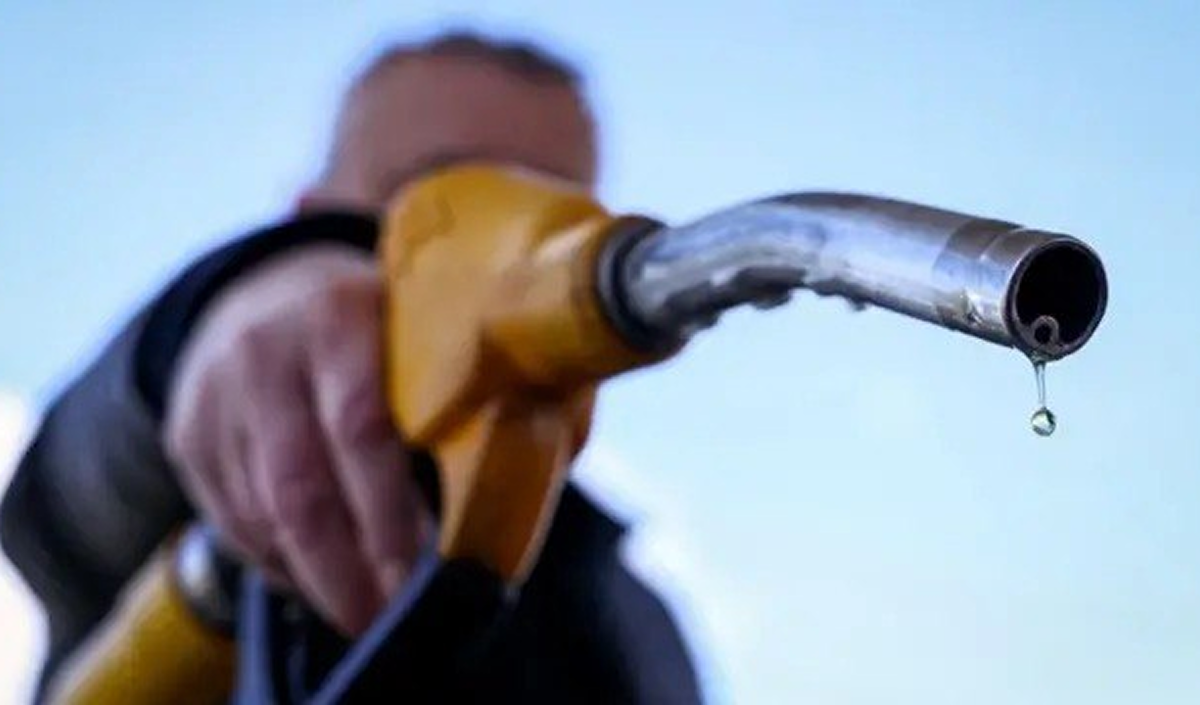
The PSRM’s draft bill provides for the introduction of a zero VAT rate on petrol and diesel for the duration of the state of emergency in the energy sector.
S.A. “Energocom” confirms that it purchased Government Securities (VMS) between June and September 2026, but maintains that these transactions were carried out exclusively using its own financial resources, and not from the loan granted by the European Bank for Reconstruction and Development (EBRD). The statement comes after the leader of the ‘Democracy at Home’ Party, Vasile Costiuc, raised the issue of the possible use of EBRD funds, intended to ensure energy security, for the purchase of State Securities.

In the context of the Republic of Moldova’s future accession to the European Union, the country’s Ministry of Agriculture, with the support of the relevant bodies of the European Commission, is initiating the development of a national programme for the modernisation of meat and dairy processing enterprises.