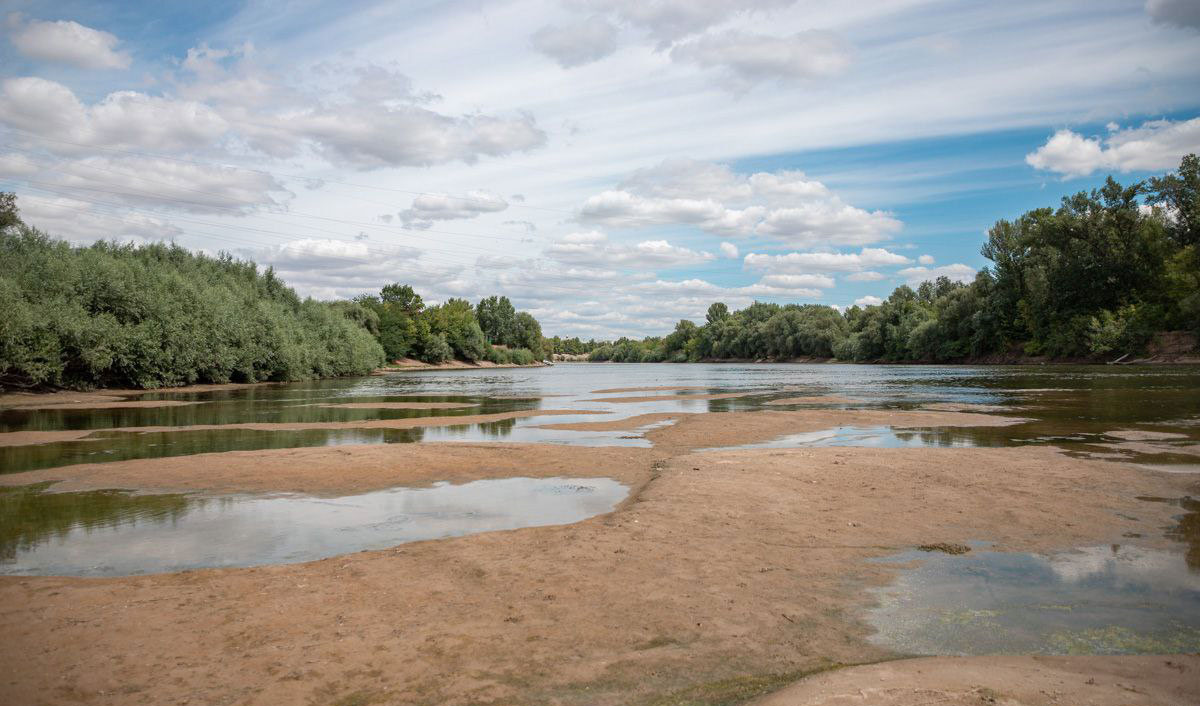
A special committee could be set up in Parliament to examine the situation regarding the decline in the flow of the River Dniester and to assess the conditions for supplying water to the river basin from the Novodnestrovsk reservoir in Ukraine.

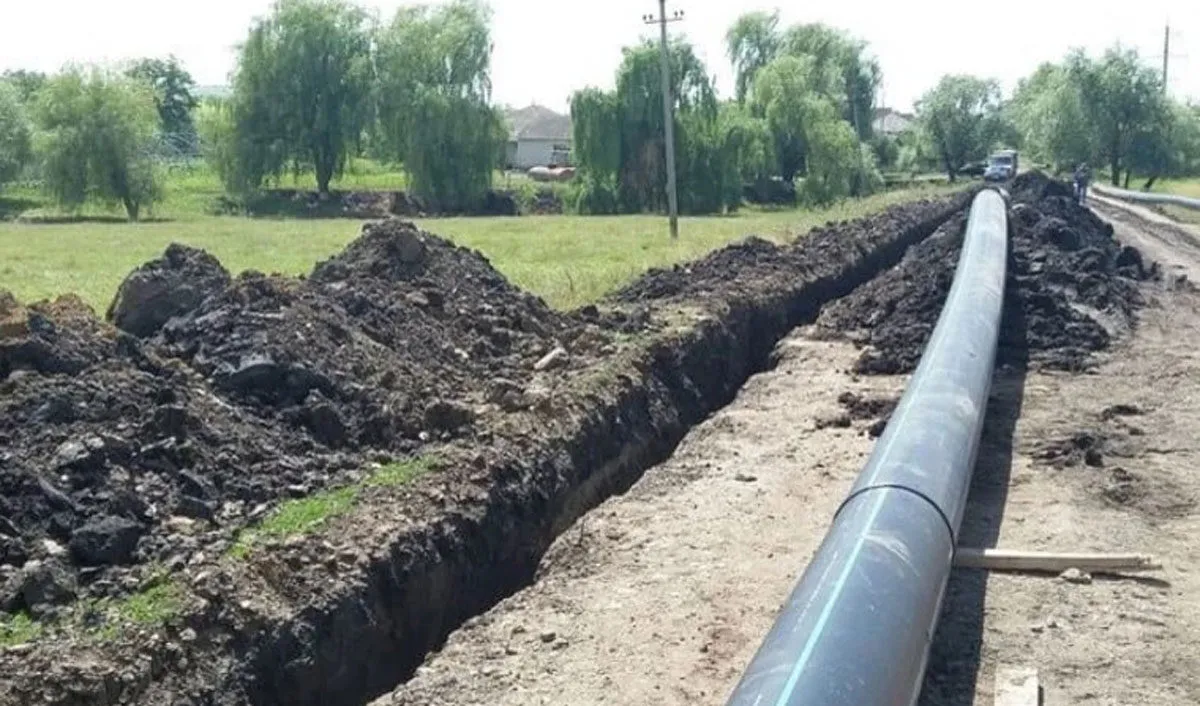
The infrastructure of the main Chișinău–Strășeni–Călărași water main, which has already been built, will be extended to new settlements.
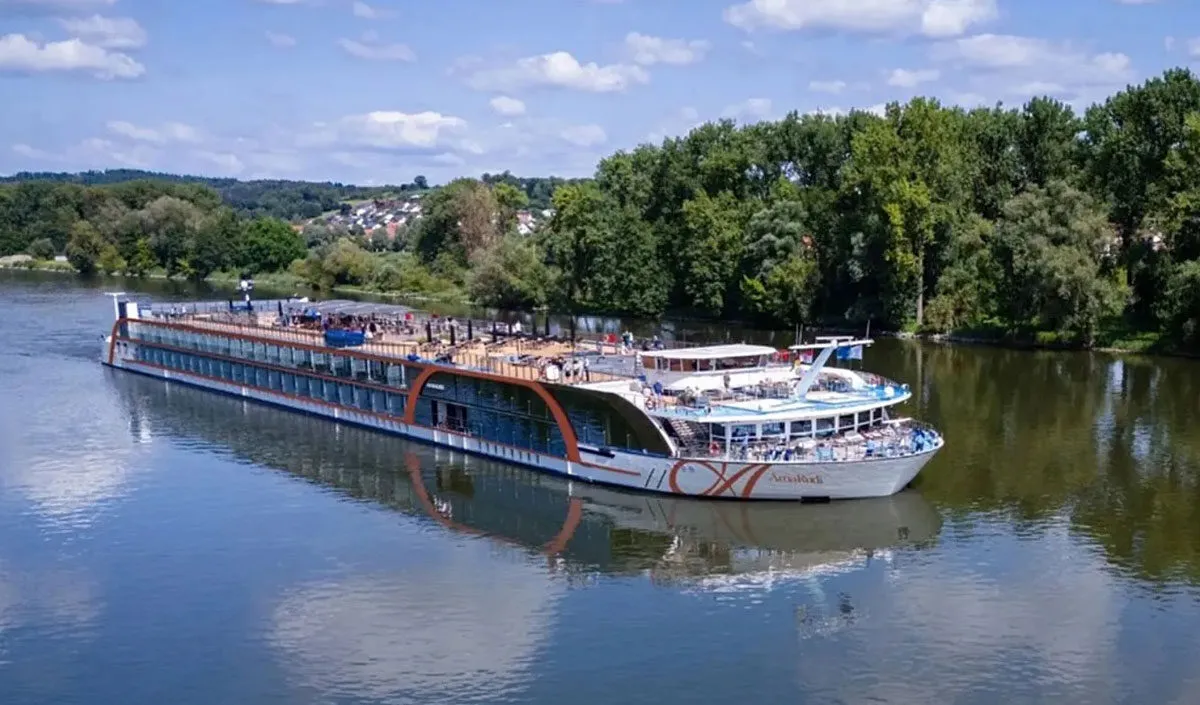
Deputy Prime Minister Vladimir Bolea signed the Ministerial Declaration on the Danube in Brussels, together with transport ministers from 10 other European countries.
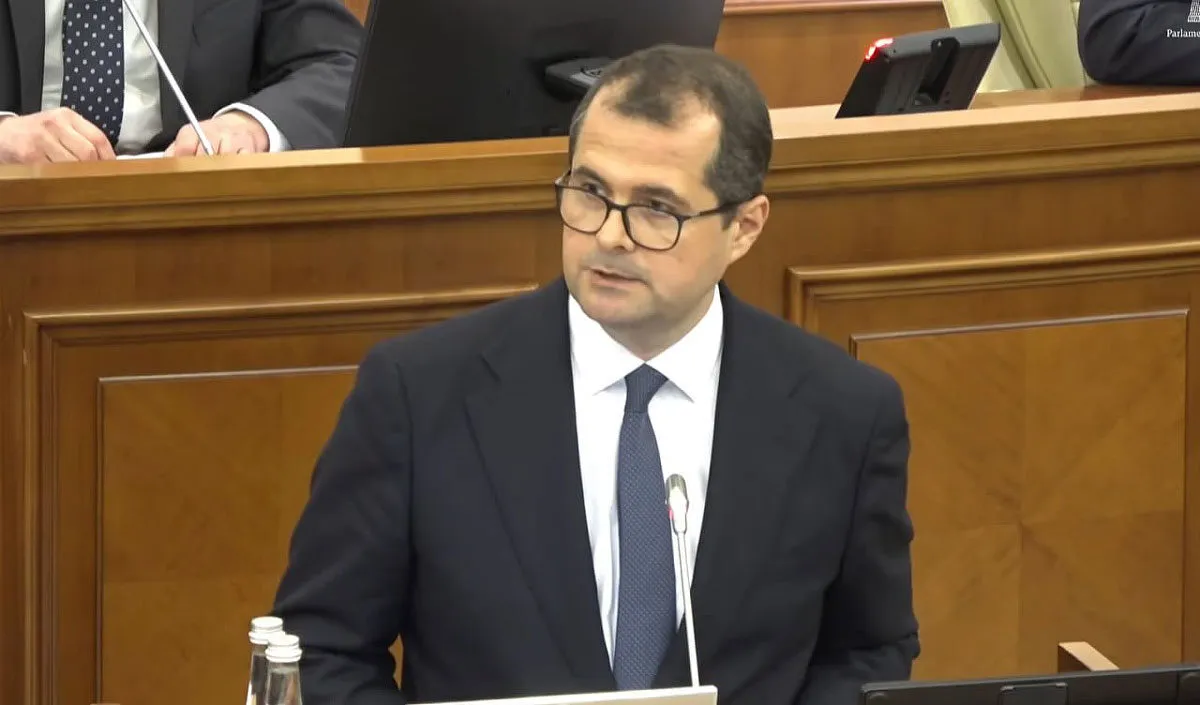
Prime Minister Vasile Tofan has responded to those criticising the authorities over the falling water levels in the Dniester, stating that solutions to the hydrological crisis must be sought through constructive dialogue. He emphasised that the situation is serious and that the authorities must focus on measures to ensure the water supply, including to communities in the north of the country.
At Naslavcea, the level of the Dniester is reported to have fallen to less than half its usual level. This was stated by MP Olga Ursu, who today published images from the scene and called for urgent action by the authorities.
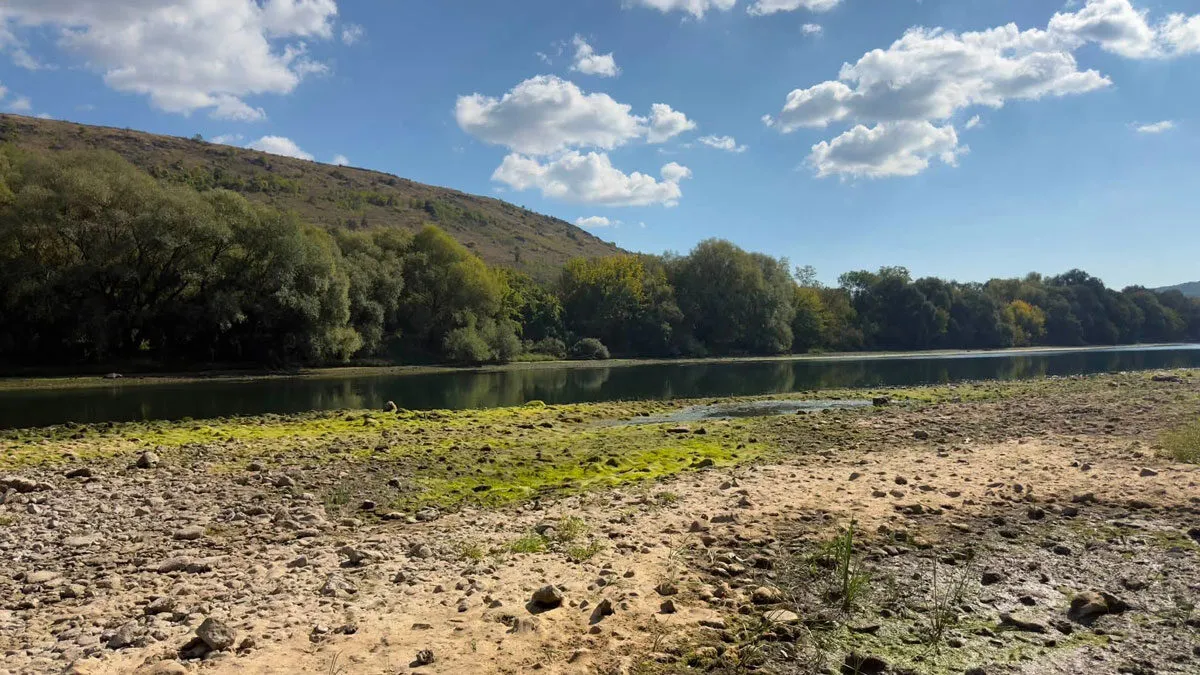
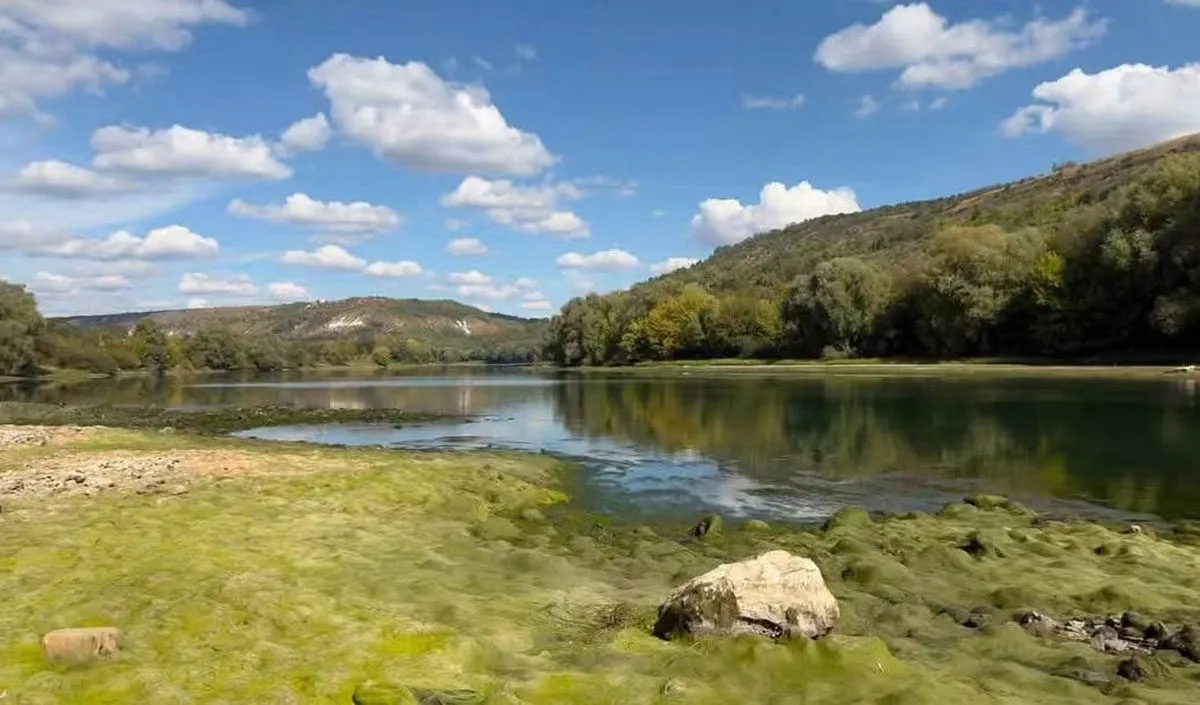
Something is happening to the Dniester at the moment that is difficult to explain simply as ‘drought’. It is raining in Moldova. In places, the rain is heavy. The ground is wet; autumn is nothing like a desert. Yet the Dniester remains shallow.
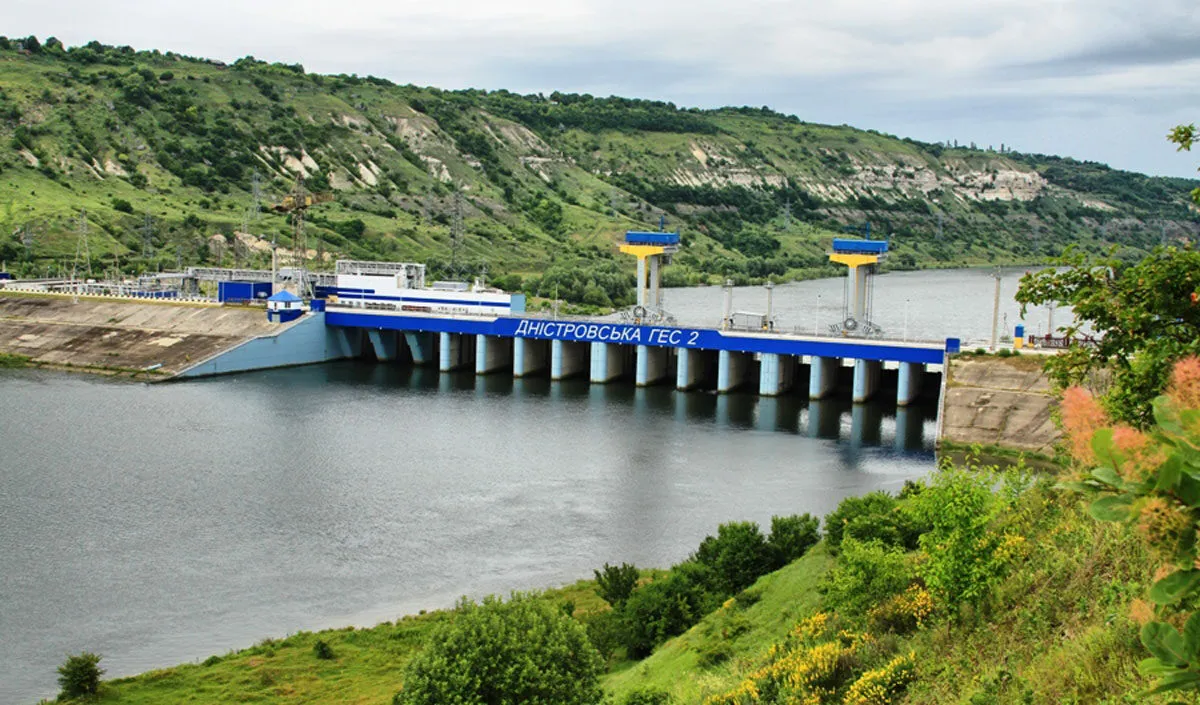
Water is becoming an increasingly pressing issue for the Republic of Moldova, as the drought has led to dramatic drops in water levels in both the Dniester and the Prut. President Maia Sandu warns that this situation could recur in the coming years, against the backdrop of climate change.
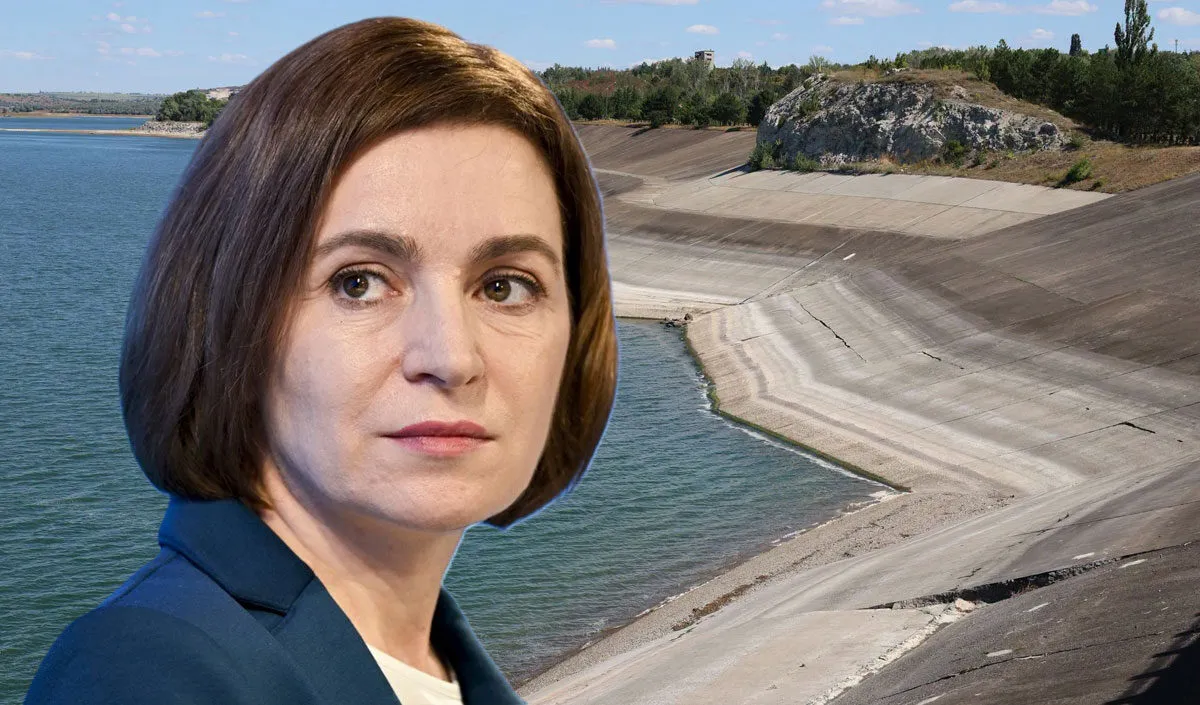
As of today, the water level in the Dniester Reservoir has fallen to 110.9 metres above sea level. Over the past two days, the outflow from the reservoir into the lower reaches of the Dniester has been 27–28, whilst the inflow has been 25–29 cubic metres per second.
At the end of September, according to the most optimistic estimates by experts from fruit-growing associations, only a few dozen hectares of vegetable (carrot) and remontant berry (strawberry and, to a lesser extent, raspberry) plantations are being irrigated in Moldova. Moreover, in most cases, water for these plantations is not drawn from the Dniester and Prut.
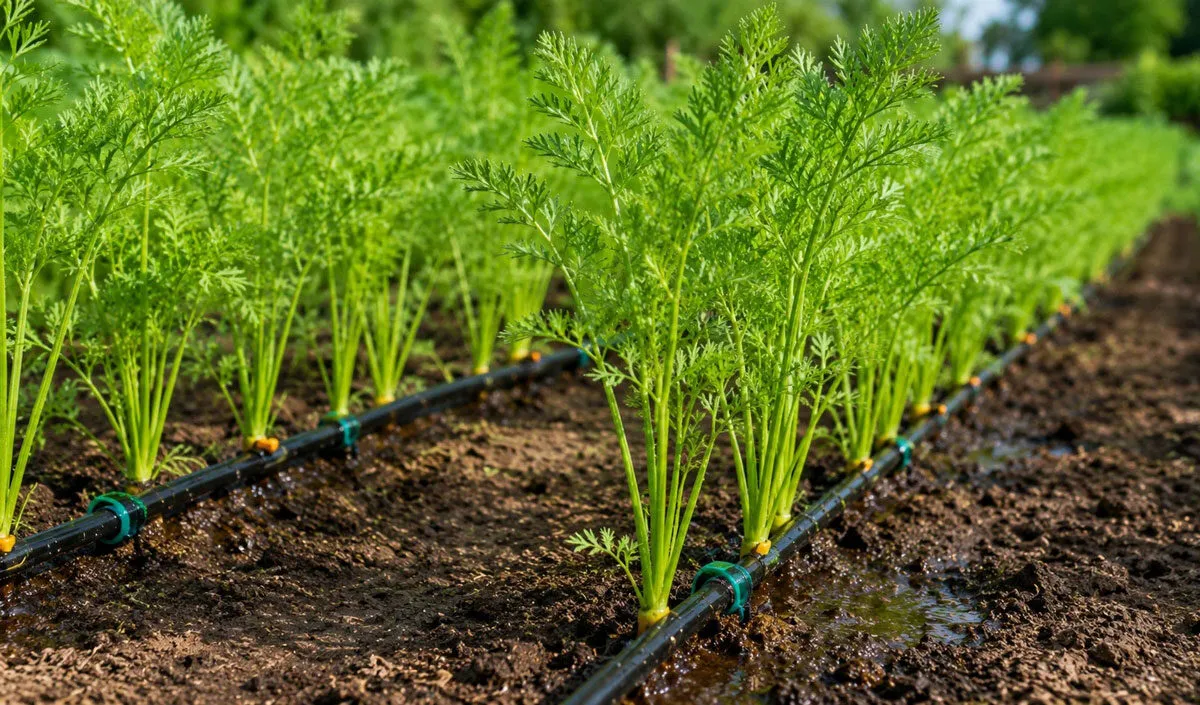
For the duration of the state of emergency, Moldova is suspending water abstraction from the Dniester and Prut rivers for irrigation purposes. At the same time, restrictions are being introduced on the use of drinking water and surface water for watering green spaces, street cleaning and filling swimming pools.