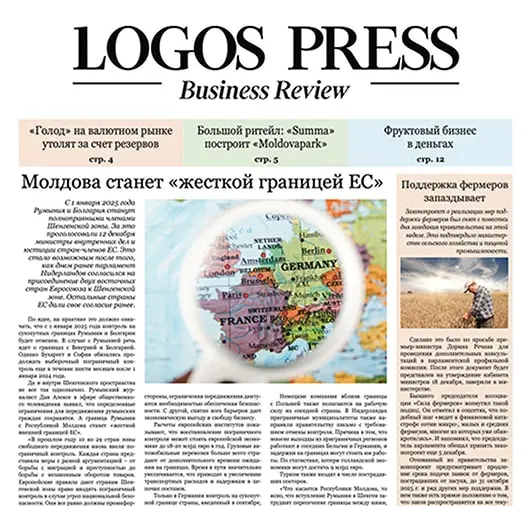
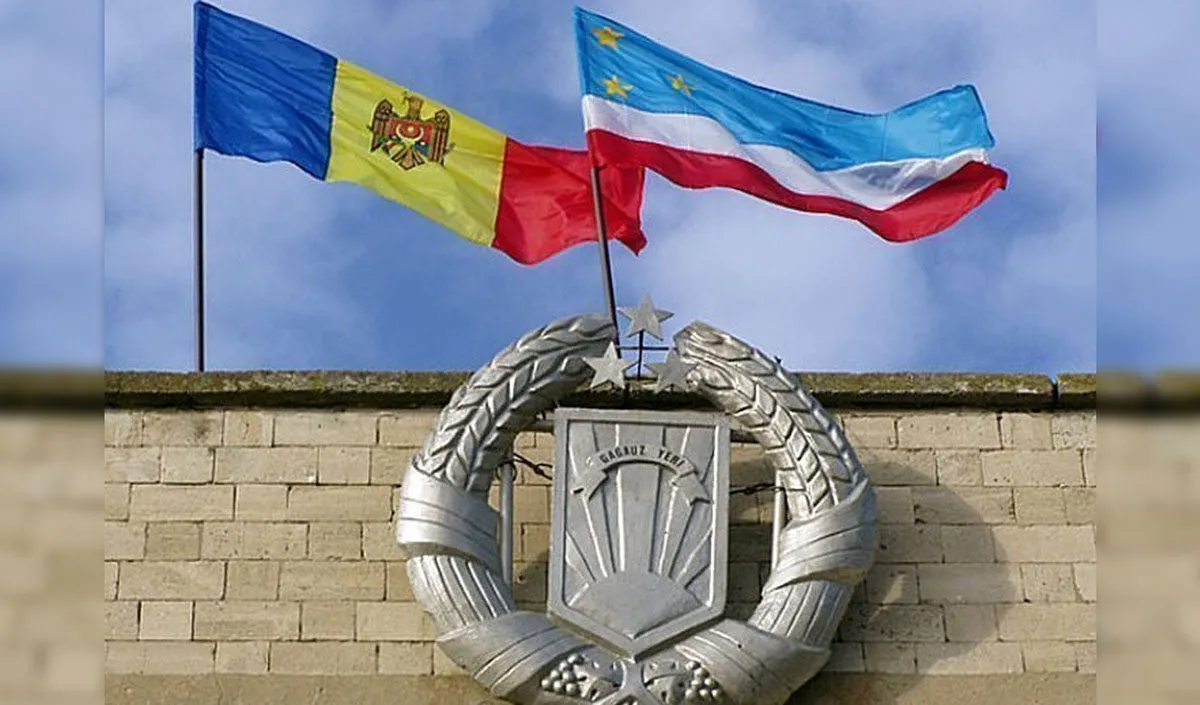
The deadline for submitting applications and documents required for registration as a candidate for the Gagauzia People’s Assembly, as well as for the post of Head (Bashkan) of Gagauzia in the regional elections on 15 November 2026, expired on 6 October at 17.00.
The Chisinau City Council reports that at 24 Miorita Street, in the Centre sector, work on the construction of a new car park is approximately 50 per cent complete.

The reform of second-tier local public administration involves a transition from 32 districts to three regions — North, Centre and South — and three municipalities, including Taraclia. Chișinău, Bălți and the Gagauz Autonomous Territorial Unit (UTA) will retain their special status. Some of the districts’ powers will be transferred to local councils, whilst others will be taken over by central authorities. The proposal promises to maintain local services, but leaves questions unanswered regarding funding, representation and the future of Transnistria.

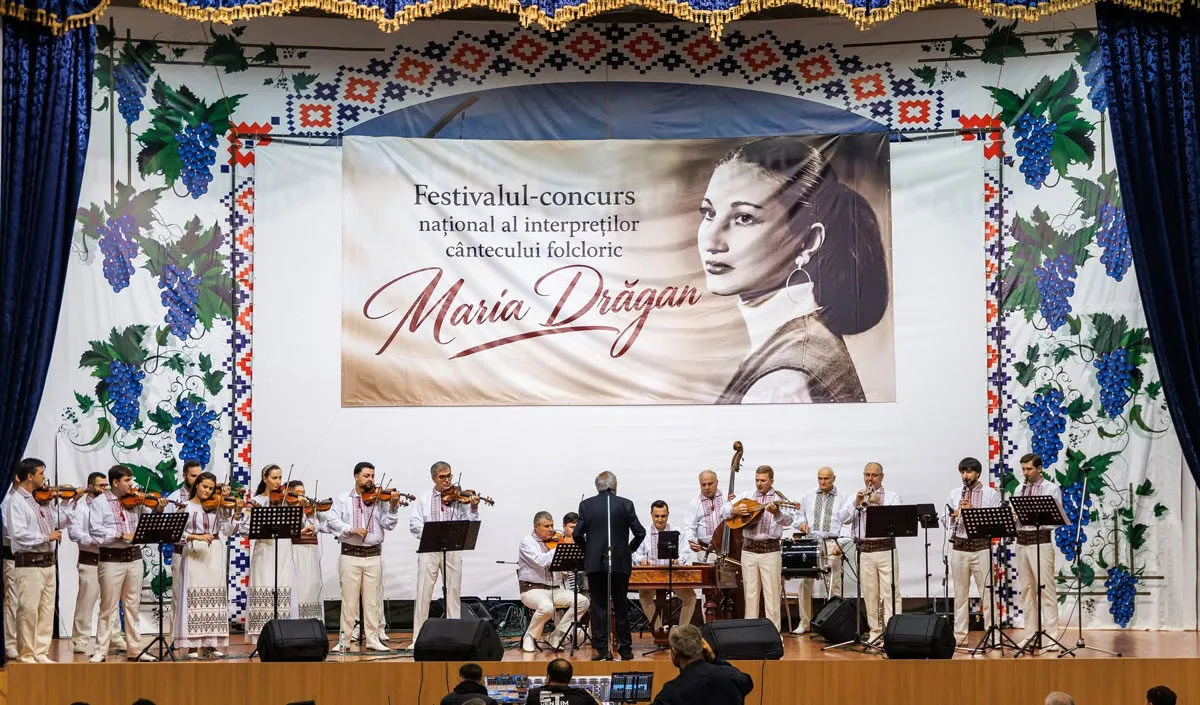
The 8th Maria Dragan National Festival and Competition for Folk Song Performers took place at the Nisporen Palace of Culture. The event was held to mark the 40th anniversary of the death of the renowned Moldovan folk music performer.
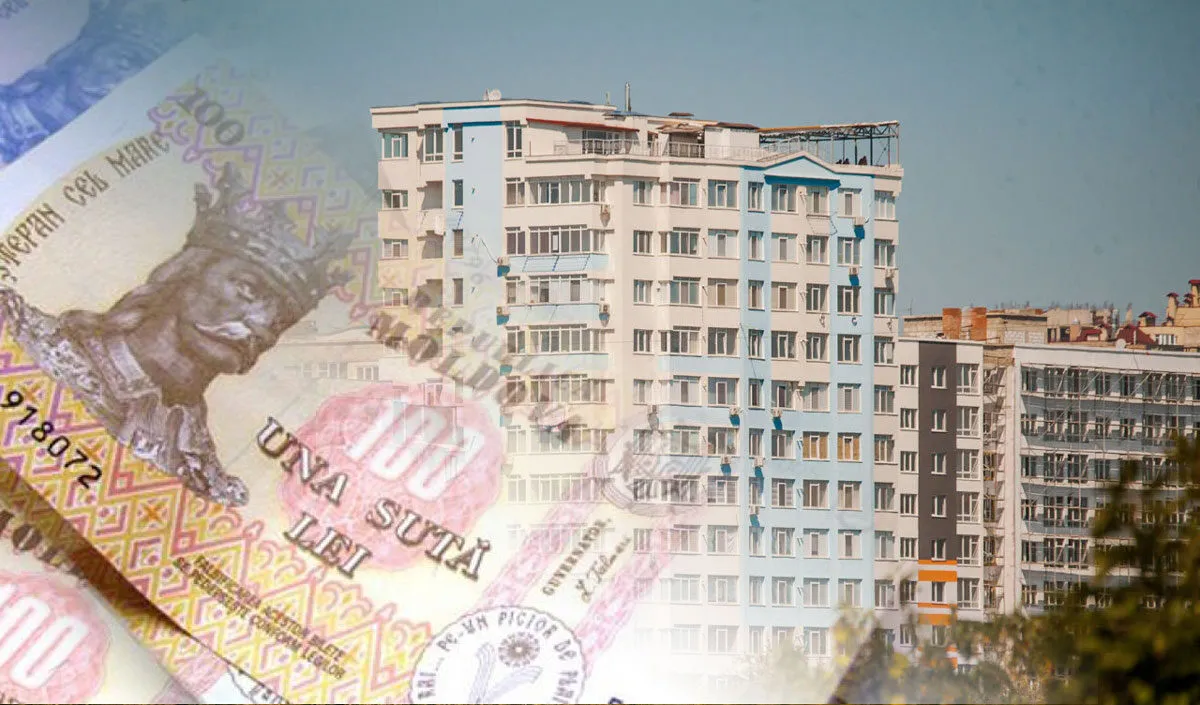
CALM warns that local authorities risk losing a significant portion of property tax – the main source of revenue for local councils – if Parliament adopts the bill in its final reading without amendments.
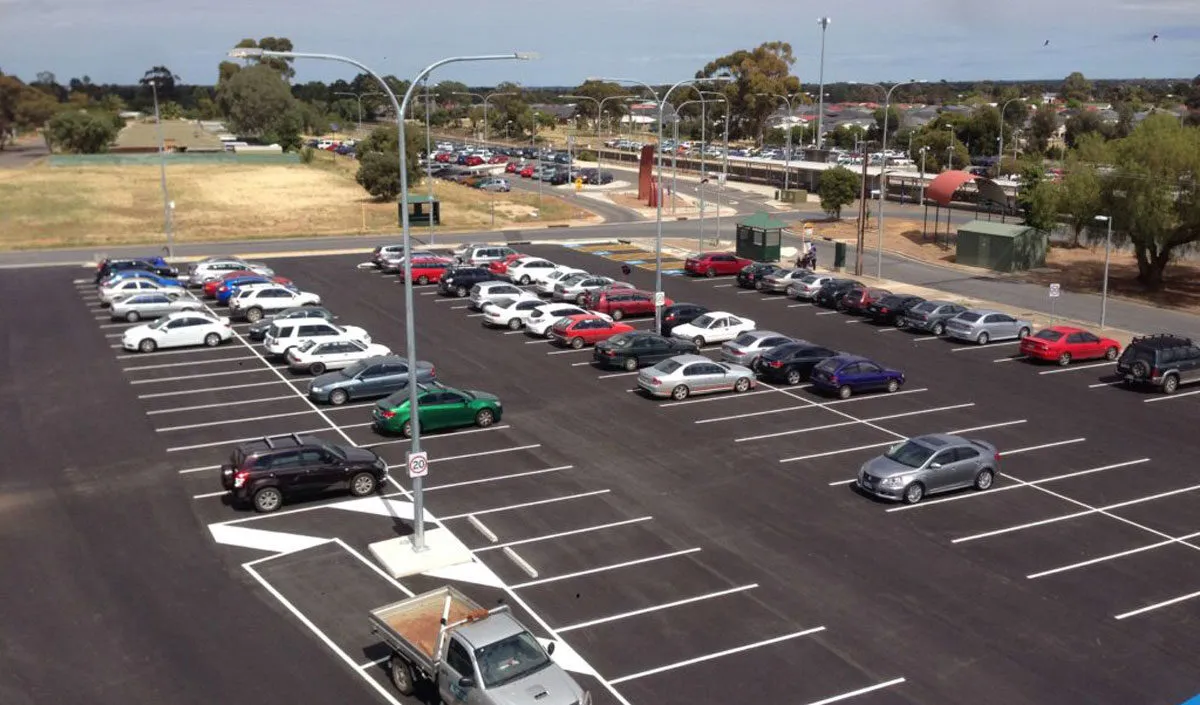
Work on developing new car parks is continuing in the capital. Chisinau City Hall reports that, at 24 Miorita Street, work on the new car park is approximately 50 per cent complete. As part of the project, paving stones are being laid across an area of around 2,300 m² to create approximately 70 parking spaces.
Chisinau City Council is proposing to introduce new building regulations in the city’s historic centre. These are set out in a study on the update to the capital’s General Urban Development Plan up to 2040, which the municipality has put out for public consultation.
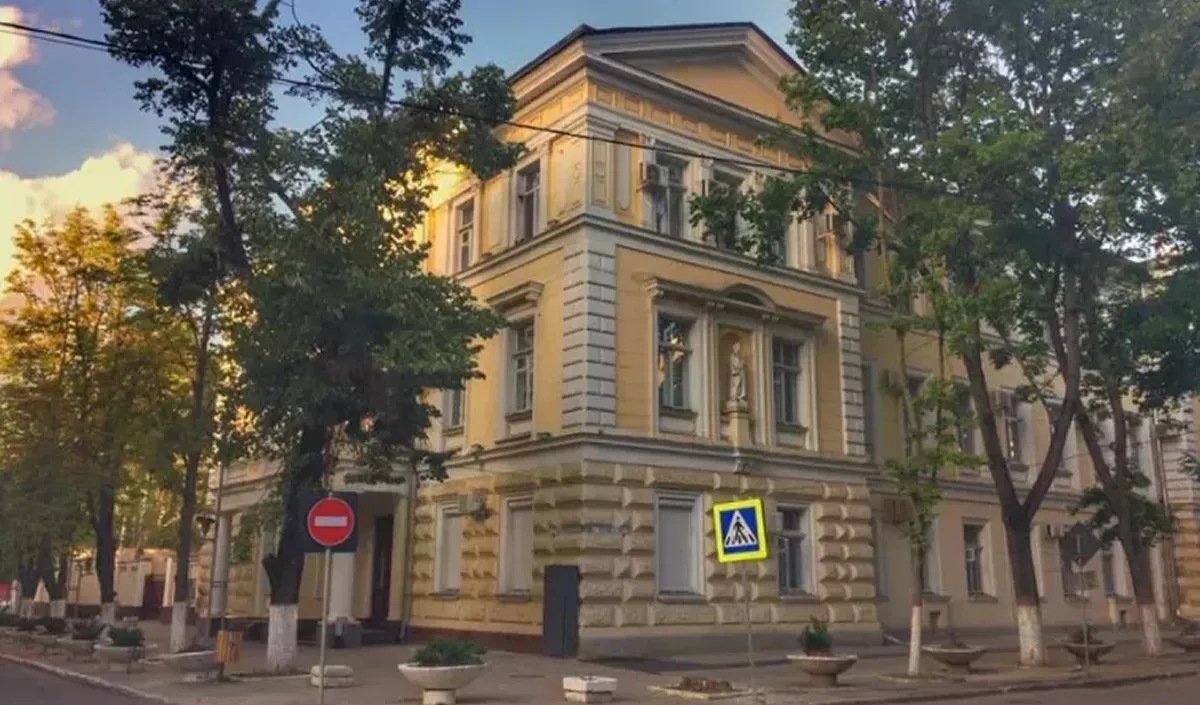
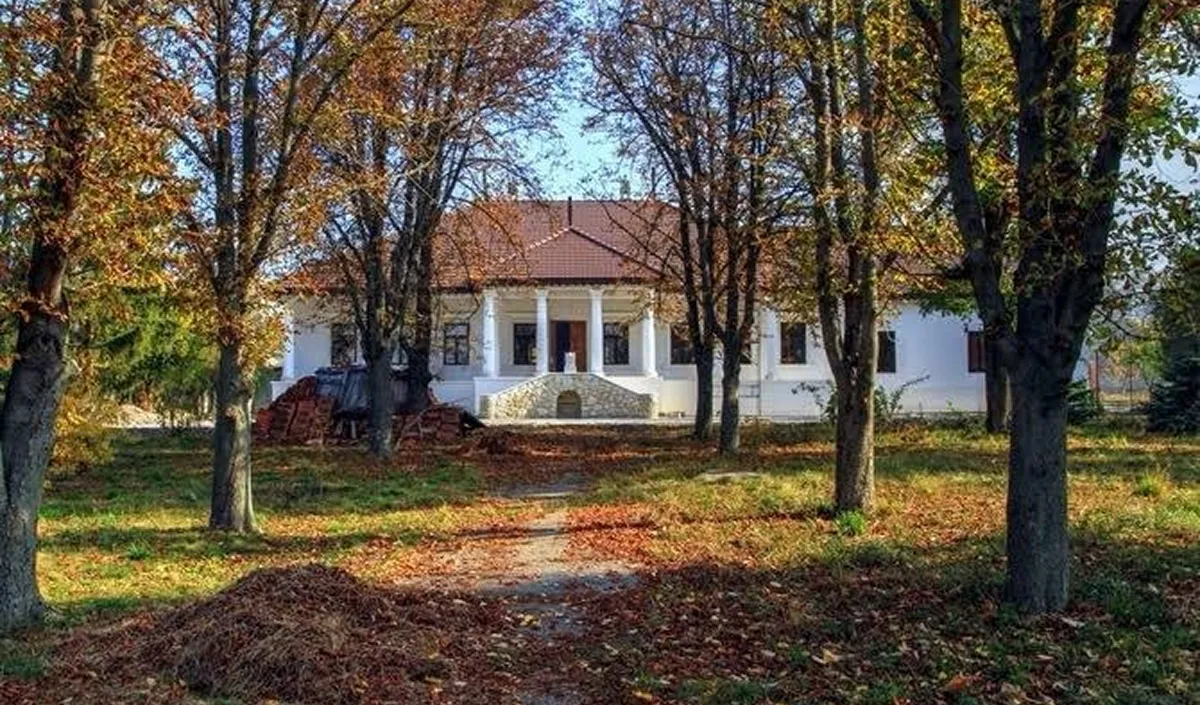
Seven regional and rural museums in the Republic of Moldova will receive virtual 3D tours and digital galleries as part of the next phase of the ‘Muzee de la sat’ project. Over the course of a week, a team of specialists carried out work on the detailed digitisation of unique exhibits and museum collections.
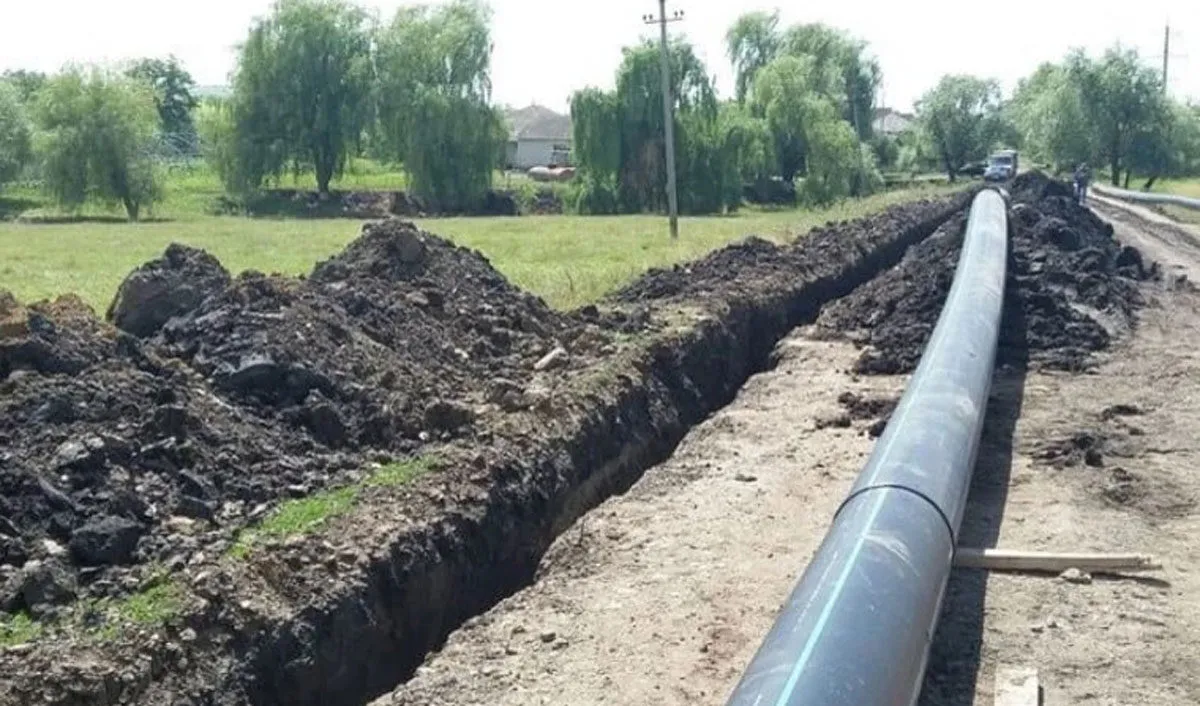
The infrastructure of the main Chișinău–Strășeni–Călărași water main, which has already been built, will be extended to new settlements.
The Bălți Public Prosecutor’s Office branch in Fălești has concluded its criminal investigation and referred the case of a 40-year-old man accused of fraud to court.