Send us a message, and we will definitely consider your suggestions and comments.

The Government of the Republic of Moldova has published the draft Law on the country’s administrative-territorial organisation, which provides for the reorganisation of local public administration, a reduction in the number of local councils and the replacement of the current districts with three administrative regions. According to the explanatory memorandum, the new structure is due to come into force at the first round of the 2027 general local elections.

On Wednesday, a contract was signed to complete work on the wastewater treatment plant in the municipality of Chișinău. It was concluded between Apa – Canal Chisinau JSC and the TURBOENERGY POWER & MASS consortium, which was selected as the successful bidder following an international tender process.

The local authorities of Vadul-lui-Vodă disagree with its inclusion in the administrative reorganisation process. They believe that this runs counter to both the will of the town’s residents and the principles underpinning local democracy. Nevertheless, the State Chancellery intends to annex the village of Coșernițsa to the town.
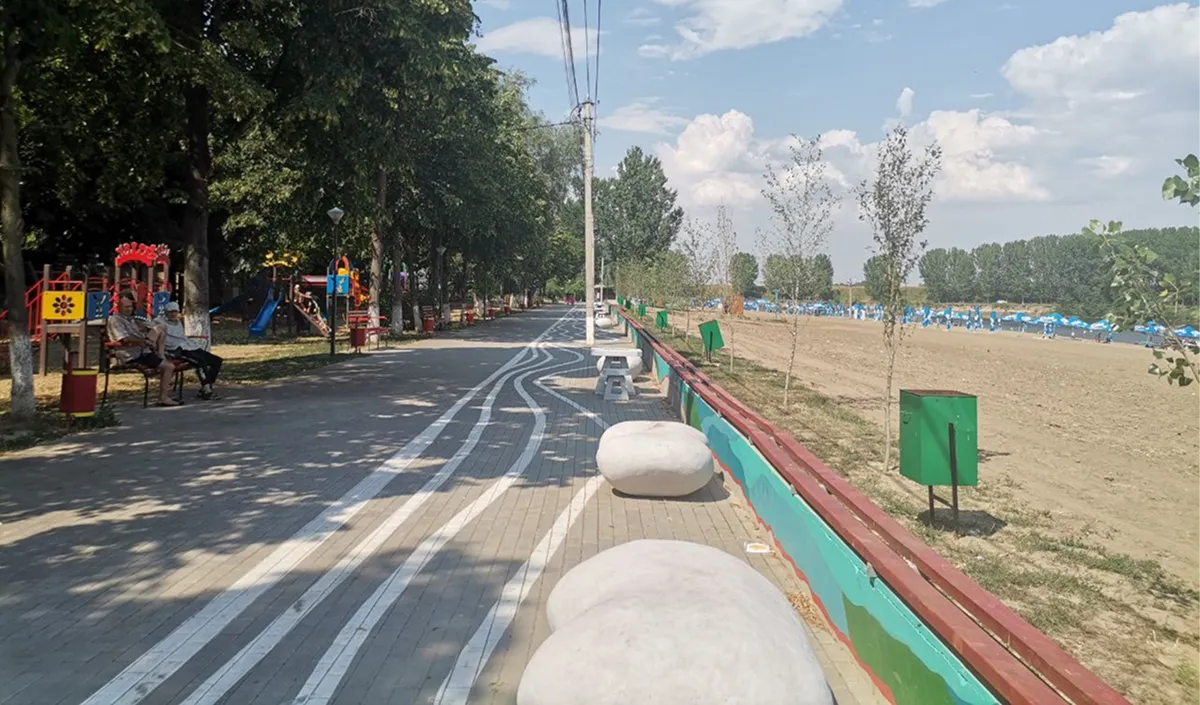
The Parliamentary Committee on Public Administration and Regional Development has examined the bill, which provides for changes to the legal framework governing the establishment of the mayor’s office in Bălți. It is proposed that it should operate under conditions similar to those applied in Chișinău.
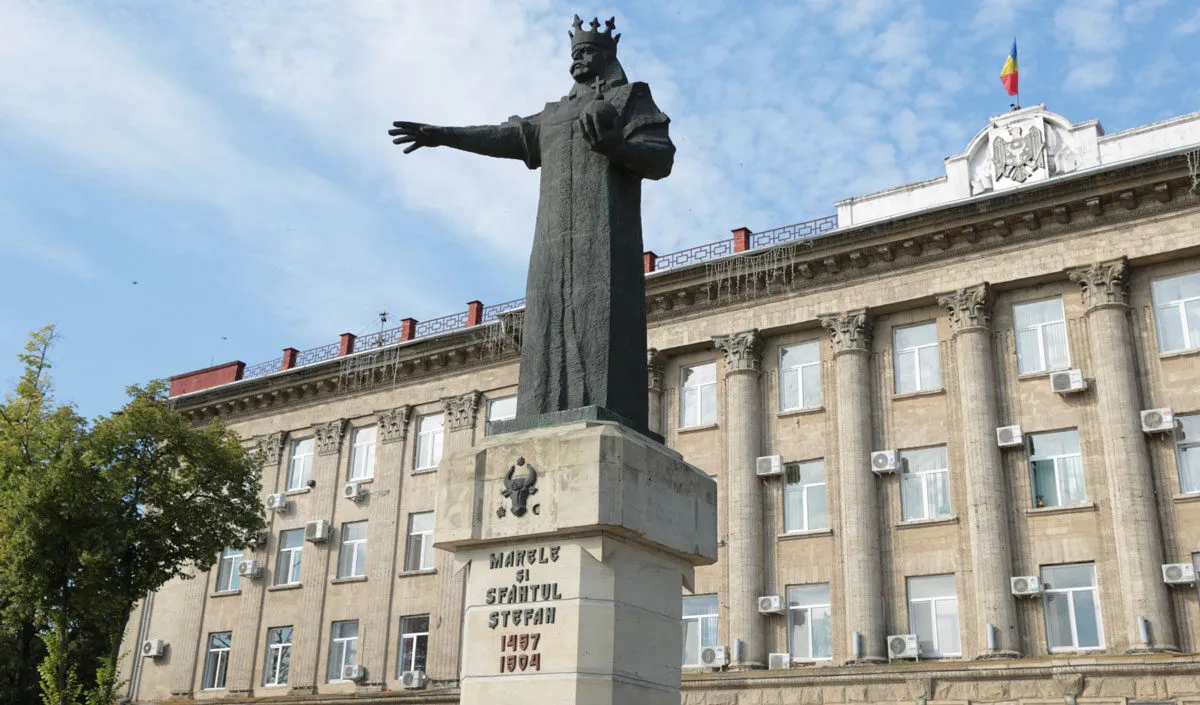
At least 30 per cent of the 600 electric vehicle charging points planned by 2030 are to be located outside Chișinău. This is one of the objectives of the National Electric Mobility Programme 2030, approved by the Government. The Minister for Infrastructure and Regional Development, Vladimir Bolea, announced that the development of the network will be regulated by a legal framework which will also set out the distances between charging stations on national roads and the European transport network (TEN-T).

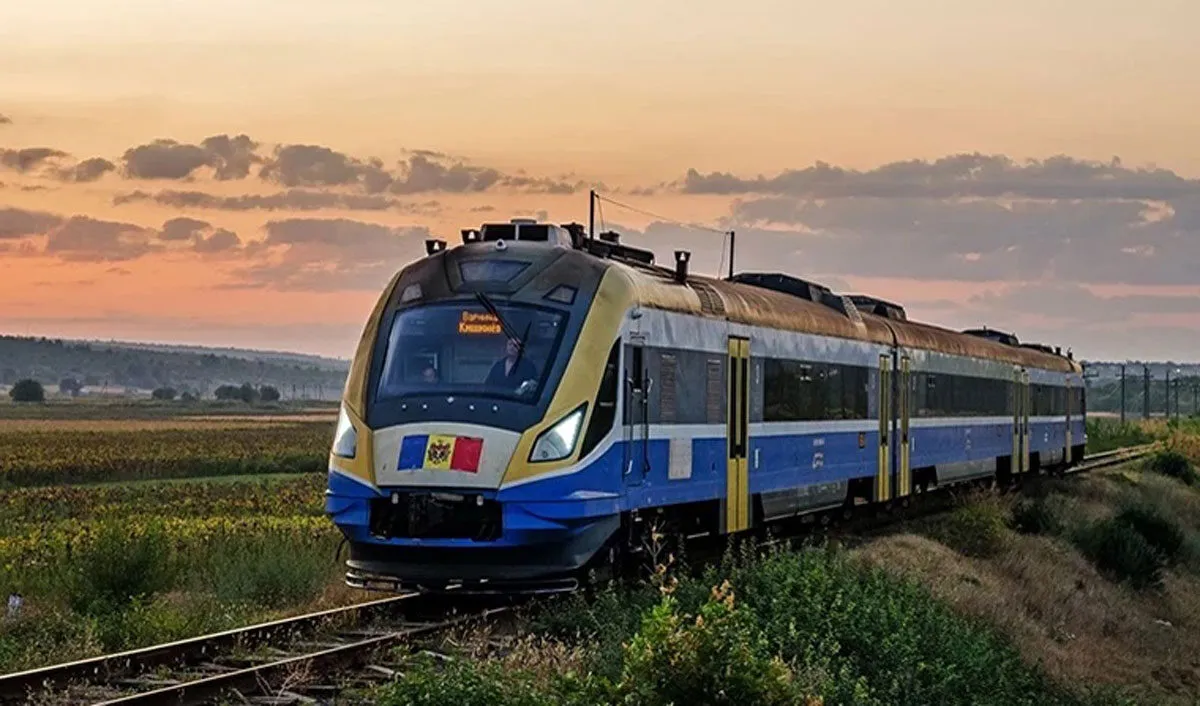
In Moldova, it is necessary to develop the suburban rail network in order to reduce traffic congestion and improve public access to public transport. This issue is already being discussed with the French authorities, said Deputy Prime Minister and Minister for Infrastructure and Regional Development Vladimir Bolea during an appearance on the ‘Bună Dimineața’ programme on Moldova 1.
The situation in the Black Sea and Danube freight market remains tense due to security risks and restrictions on navigation. Traffic through the Sulina Canal has resumed, but it remains unstable, which complicates voyage planning and hampers freight transport activity. Freight rates remain high.

Yesterday, in Moldova, near the Giurgiulești port complex, the ‘72-mile’ agricultural cargo logistics mechanism was put into operation. It enables the transhipment of grain and other agricultural produce from road vehicles to barges off the port quay at the specified section of the Danube bank. These products are then transferred from the barges to larger-displacement vessels moored in the roadstead using a floating crane.

The Ministry of Infrastructure and Regional Development has clarified the procedure for submitting documentation on investment costs when implementing projects financed from the National Fund for Regional and Local Development. The regulations it has drawn up set out the obligations of beneficiaries more clearly.

The Romanian Ministry of Transport has drawn up a draft order intended to restrict access to the port of Constanța for freight trains arriving outside the approved timetable. The draft has been signed by the Minister and is now open for public consultation.
Former Deputy Mayor Irina Gutnic arrived at Chisinau City Hall on Monday, 19 October, accompanied by a bailiff. She stated that she intended to resume her duties as deputy mayor on the basis of the decision of the Central Appeals Chamber.

At the international conference in Constanta, dedicated to transport connectivity along the Rhine–Danube and Baltic–Black Sea–Aegean corridors, Vladimir Bolya outlined Moldova’s transport priorities.

In September and October, queues of lorries stretching for many kilometres became a familiar sight at the entrance to Giurgiulești. The reasons are clear: the maritime blockade of the ports of Greater Odessa and the operation of alternative ‘solidarity routes’, combined with the limited capacity of the customs post in southern Moldova.

The Ukrainian Government has approved a mechanism to compensate shipowners for damage to vessels resulting from Russian attacks. The state is entitled to reimburse up to 80 per cent of the assessed damage not covered by war risk insurance. However, the actual amount of payments will depend on the availability of appropriate funding in the state budget. Payments will be made in hryvnias to accounts held with Ukrainian banks.

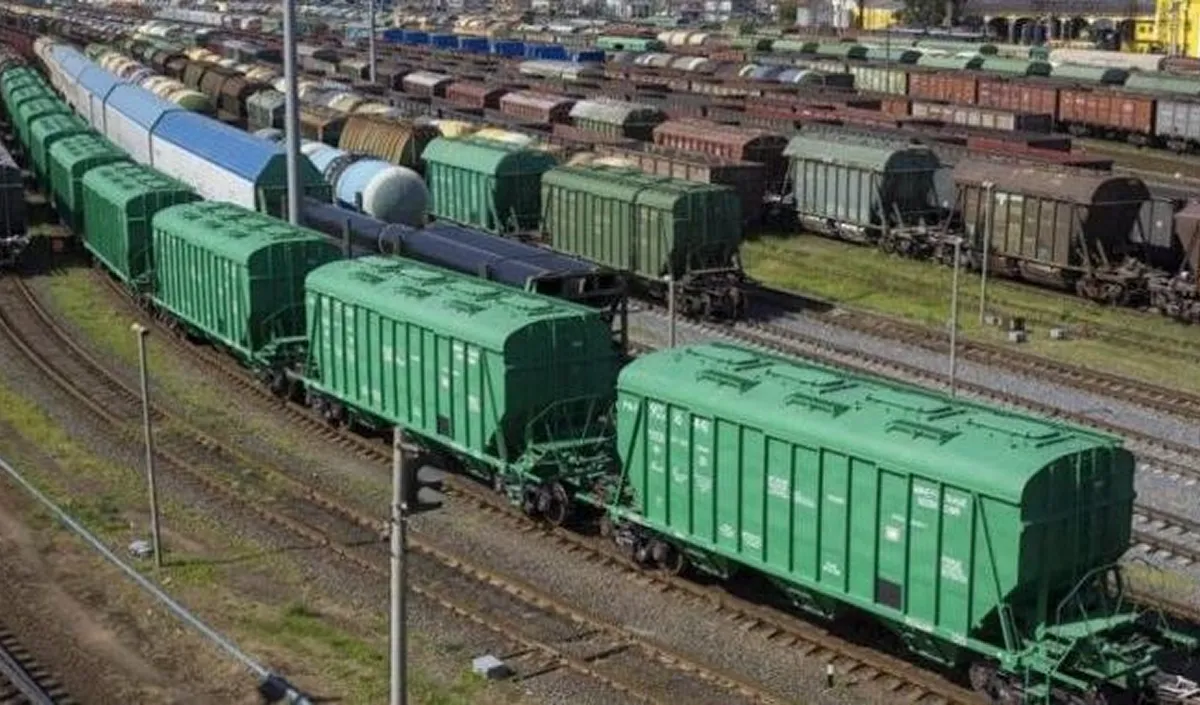
The Association of Grain and Oilseed Exporters ‘Agrocereale’ has requested clarification from the state-owned enterprise ‘Calea Ferată din Moldova’ regarding the reasons for the 15 per cent increase in freight tariffs, as well as the methodology used for the relevant calculations.

Through the Neighbourhood Investment Platform, the European Union is providing an investment grant of up to €4.8 million for the restoration of the ‘Masivul Căușeni’ and ‘Puhăcenii de Sus’ centralised irrigation systems.

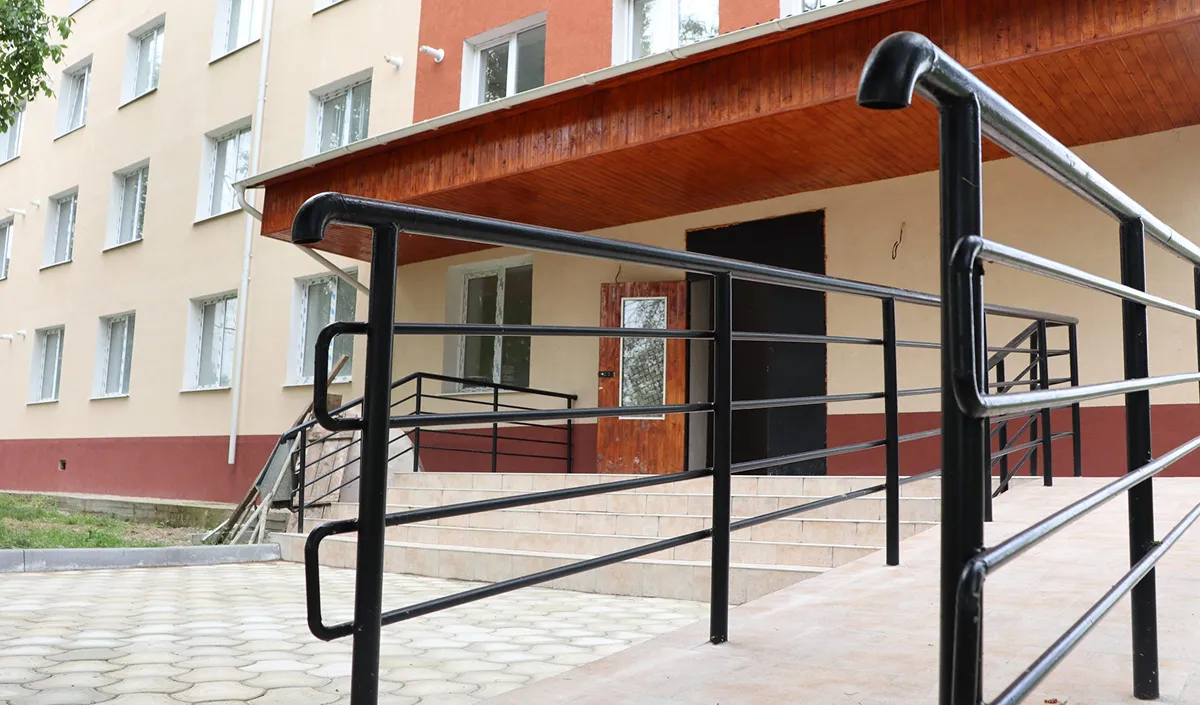
The social housing construction project in Rezina and Cimișlia, launched almost 10 years ago, has still not been fully completed. Although construction work in Cimișlia has been completed, neither of the two blocks of flats has been put into use. These findings are set out in a report by the Court of Auditors, presented to the Parliamentary Committee on Public Finance Oversight.
Between 2023 and 2026, infrastructure and development projects totalling around 3 billion lei have been approved for the municipality of Chișinău, of which approximately 1.5 billion lei has already been allocated to projects that have been completed or are currently underway.
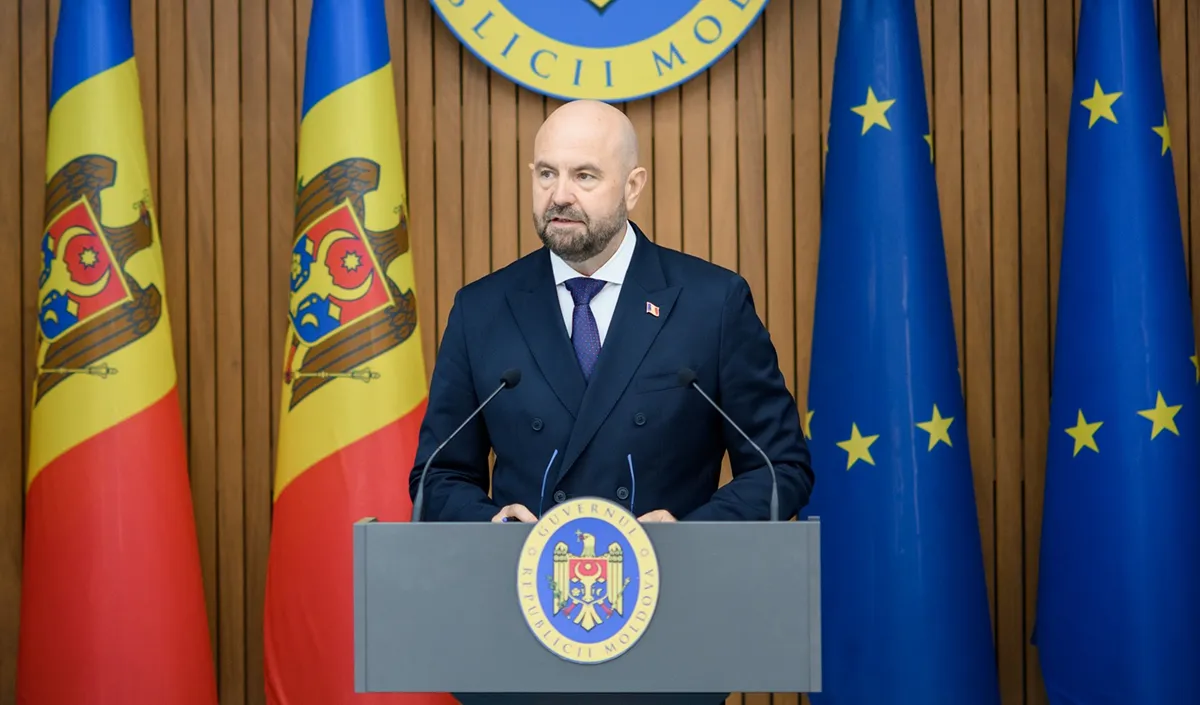
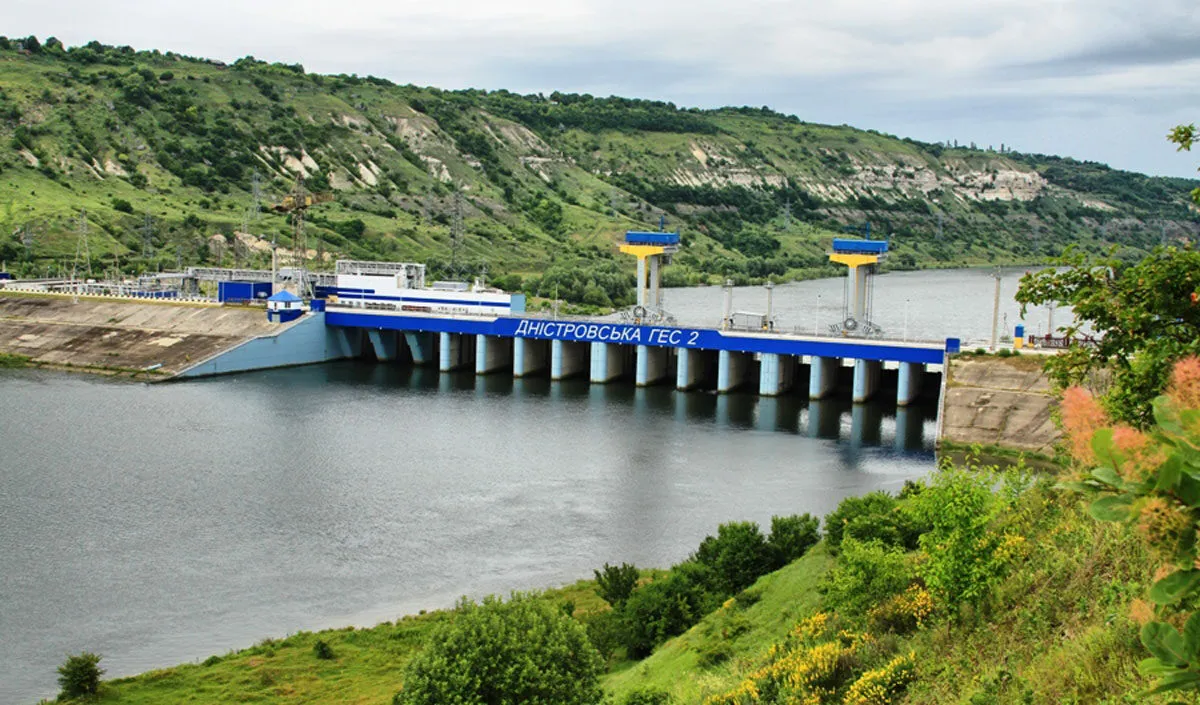
Moldova and Ukraine have agreed to increase the water flow released from the Novodnistrovsk hydroelectric complex by approximately 20 per cent compared with the previous period. The decision was discussed during a meeting between the Prime Minister of the Republic of Moldova, Vasile Tofan, the Minister for Energy, Dorin Junghietu, and the First Deputy Prime Minister and Minister for Energy of Ukraine, Denis Shmyhal.
Representatives of the Congress of Local Authorities in Moldova (CALM) are calling for pay rises and clarity regarding the administrative-territorial reform. It must be accompanied by financial resources, competitive salaries and clarity regarding the responsibilities of the new mayoral offices.