The water level in the Moldovan section of the Dniester has not yet risen. This is despite the promised 20 per cent increase in water discharge from the Dniester reservoir by the Ukrainian and Moldovan authorities, and the rainfall that fell at the end of this week.

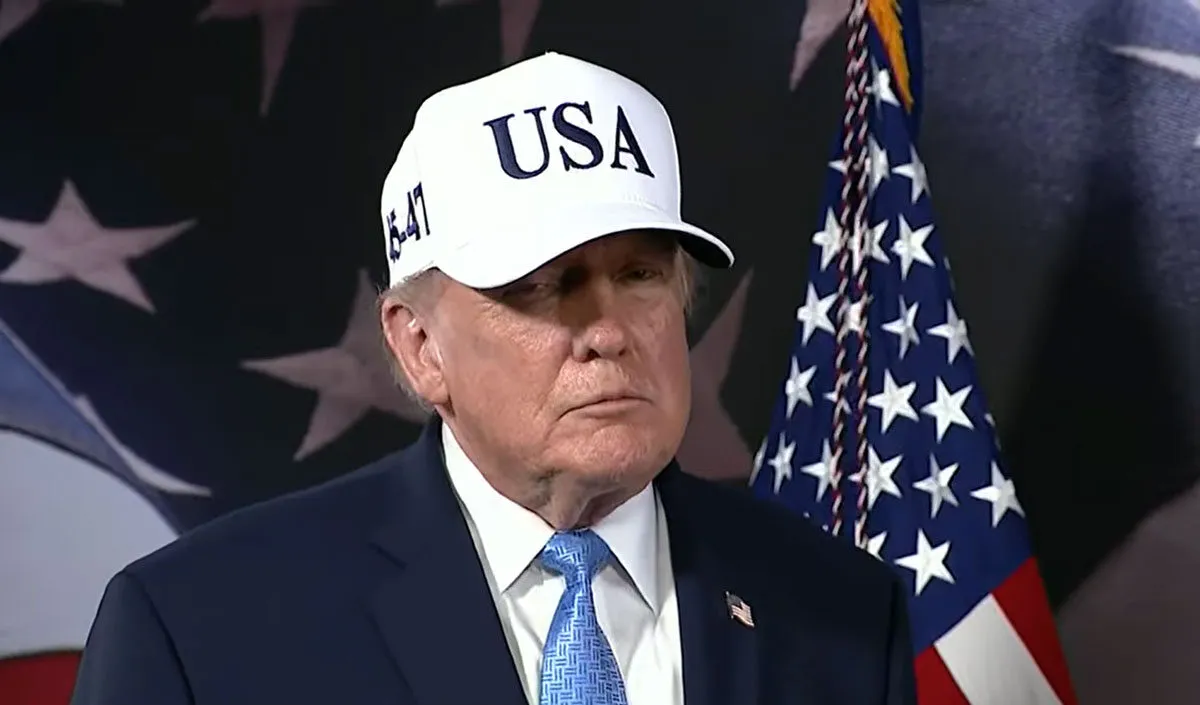
US President Donald Trump has signed an executive order lifting certain sanctions, restrictions and duties against Russia imposed under the ‘Graham Act’.
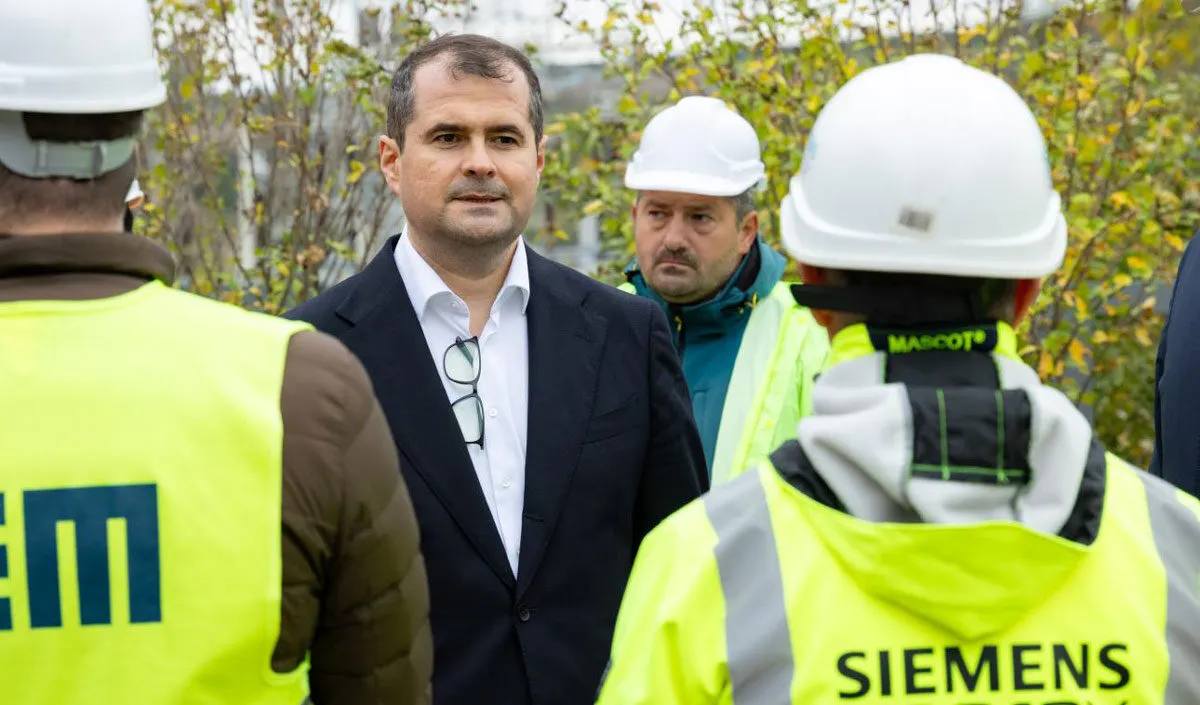
On Friday, Prime Minister Vasile Tofan visited the Chișinău power station, which forms part of the Vulcănești–Chișinău 400 kV overhead power line project, now in its final stages.
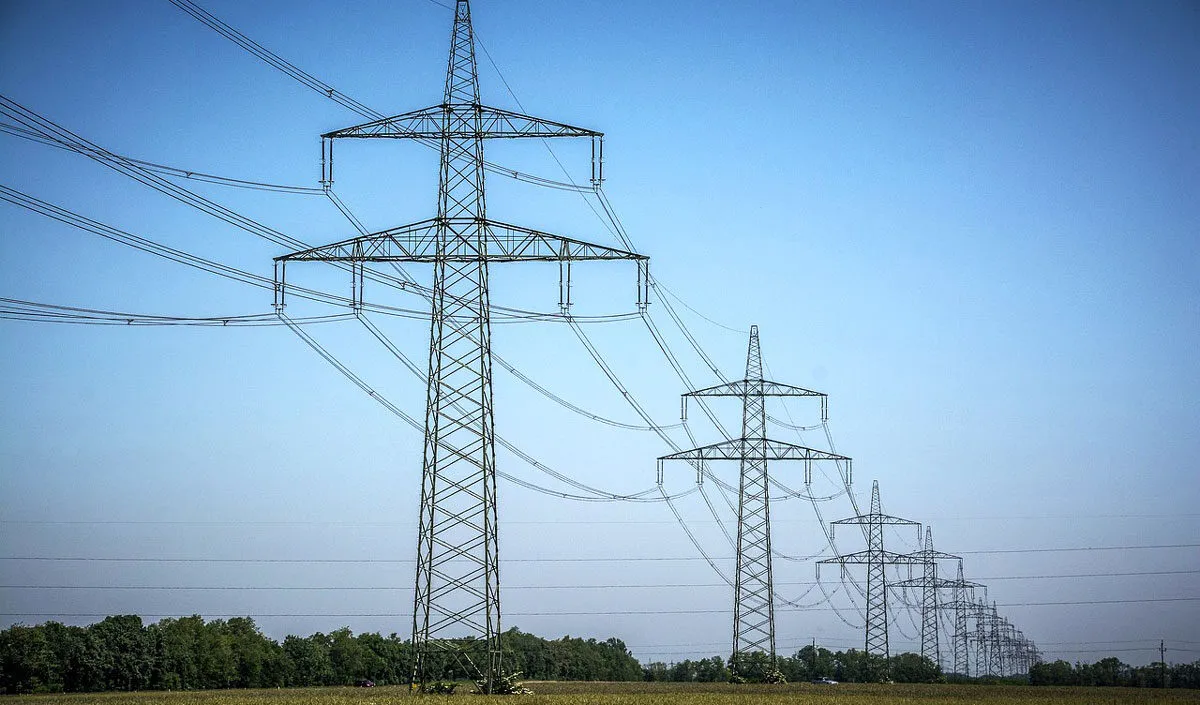
Energy Minister Dorin Junghietu announced on a Moldovan television channel that the commissioning of the 400 kV Vulcănești–Chișinău power line has been postponed to a later date.
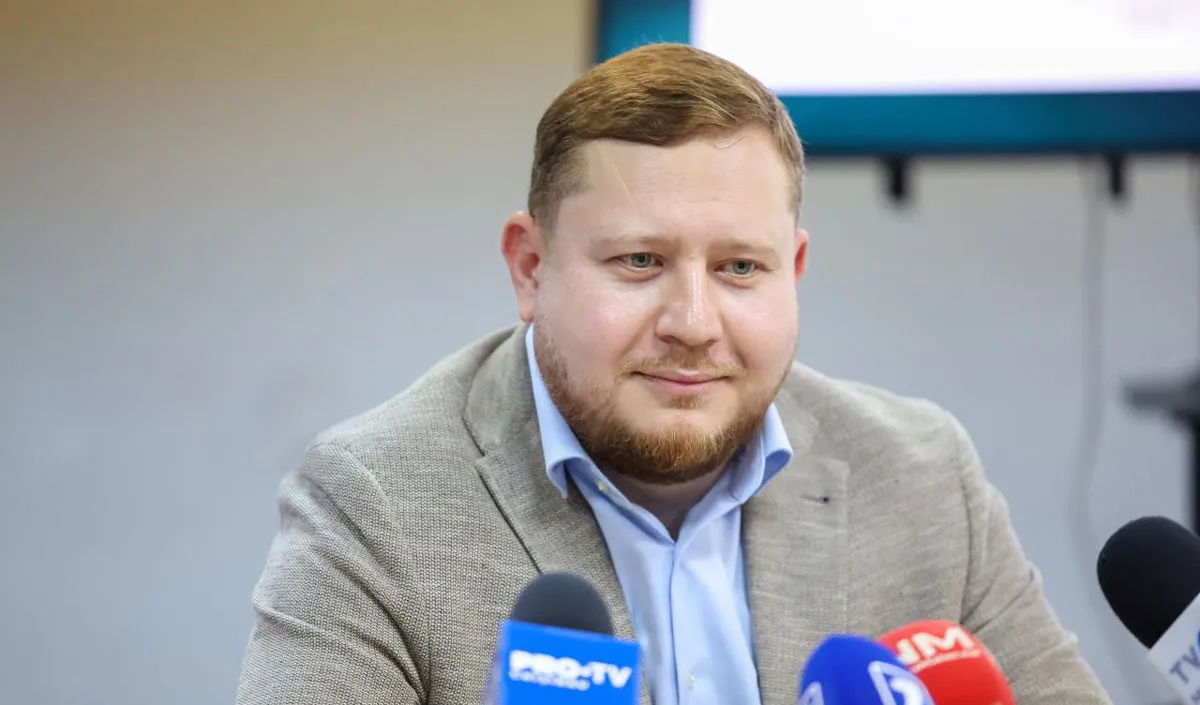
In September, natural gas tariffs in Moldova rose twice, by a total of approximately 70 per cent. Following this, numerous comments appeared in the media regarding possible ways of purchasing cheaper gas.
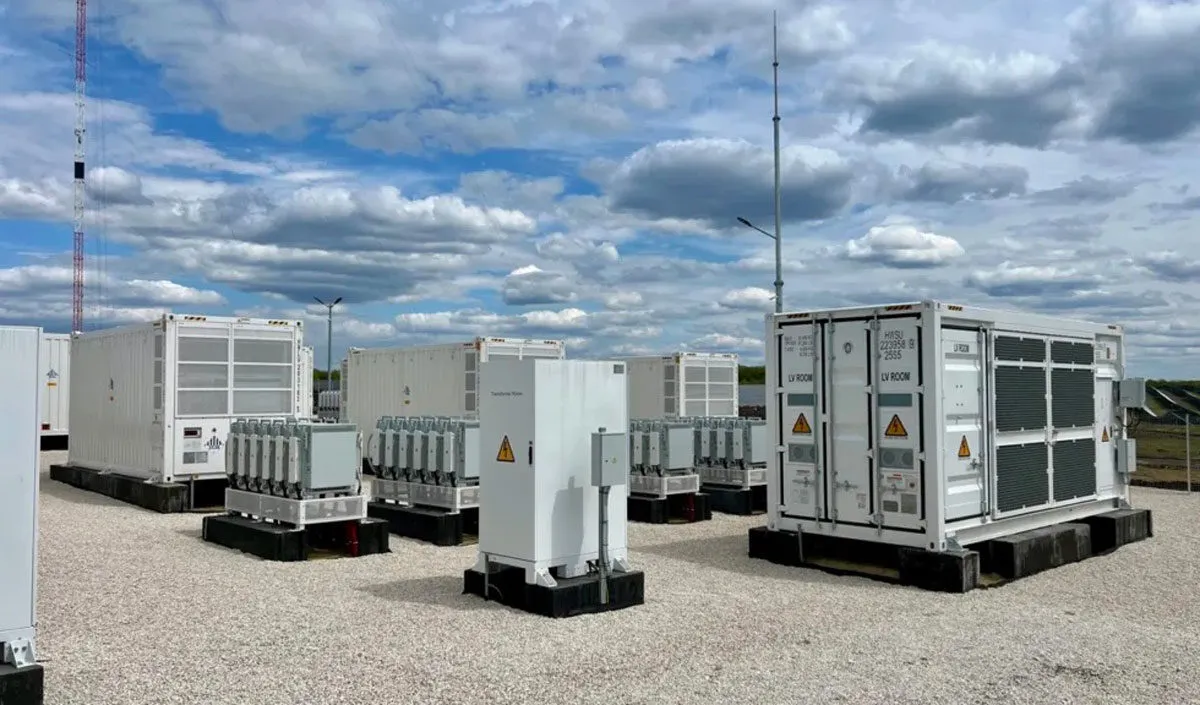
Investors installing battery energy storage systems (BESS) in Moldova may be eligible for import concessions provided they commission the equipment within 20 months.
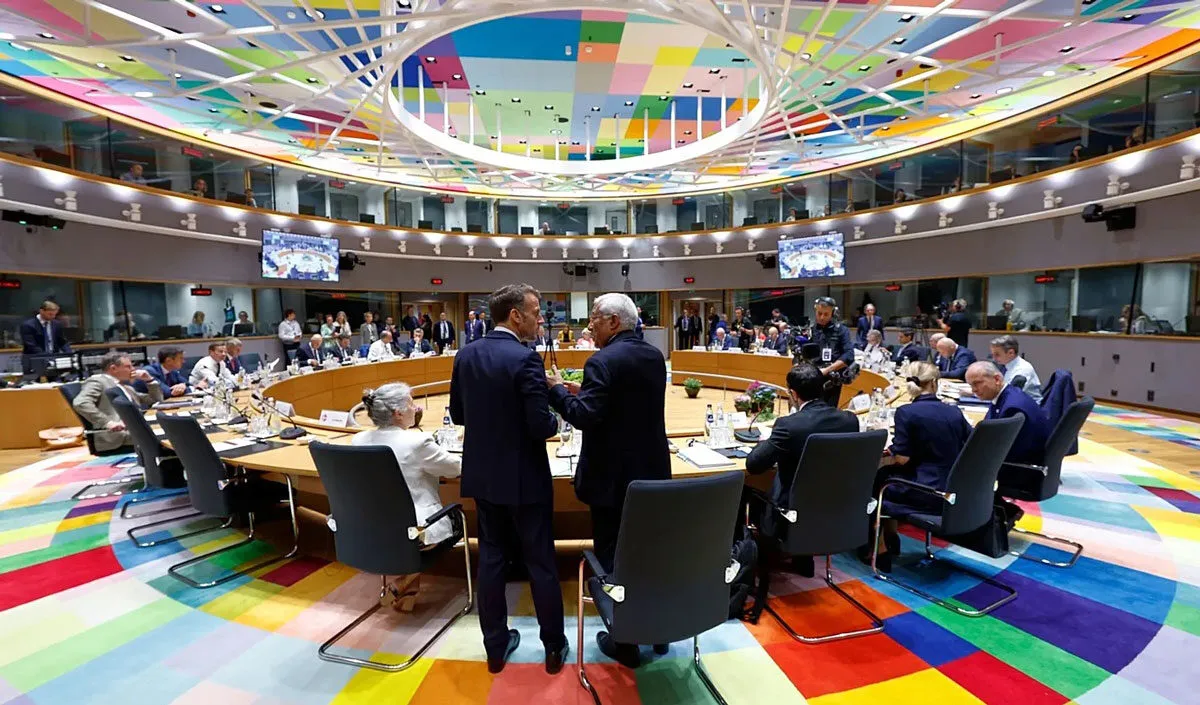
EU leaders have gathered in Brussels for a key European Council summit (15–16 October 2026), where the fate of the seven-year budget and the funding of military aid to Ukraine will be decided. On the agenda are a €141 billion cut to the seven-year spending plan, the energy crisis and a visit by Volodymyr Zelenskyy.
Ukraine is resuming strikes on Russian oil refineries. The ban on such attacks was lifted amid intelligence issues and Starlink disruptions during the heavy shelling.

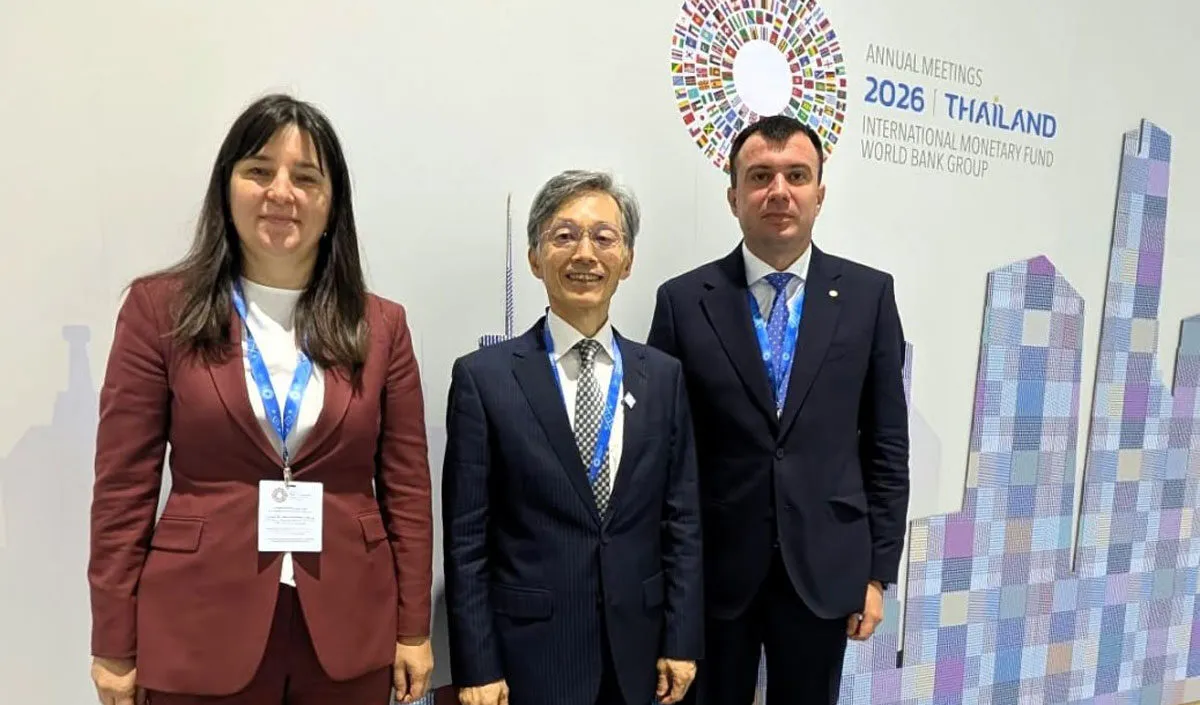
Support for reforms and the search for additional aid have become key topics in the Moldovan delegation’s engagement with international financial institutions. The annual meetings of the IMF and the World Bank Group, taking place from 12 to 18 October 2026 in Bangkok, Thailand, served as a forum for these discussions. A delegation from Moldova, led by senior officials from the government’s finance ministry and the central bank, travelled there.
A potential investor can access detailed information about Moldova’s market, its legislation, infrastructure and available support programmes. But an investment decision often begins to take shape only when more specific questions arise: how long it takes to launch a business, where delays may occur, how reliably the infrastructure operates, whether the necessary skills are available, how the project can be financed, how supplier relationships are structured, and what comes after the initial investment.