

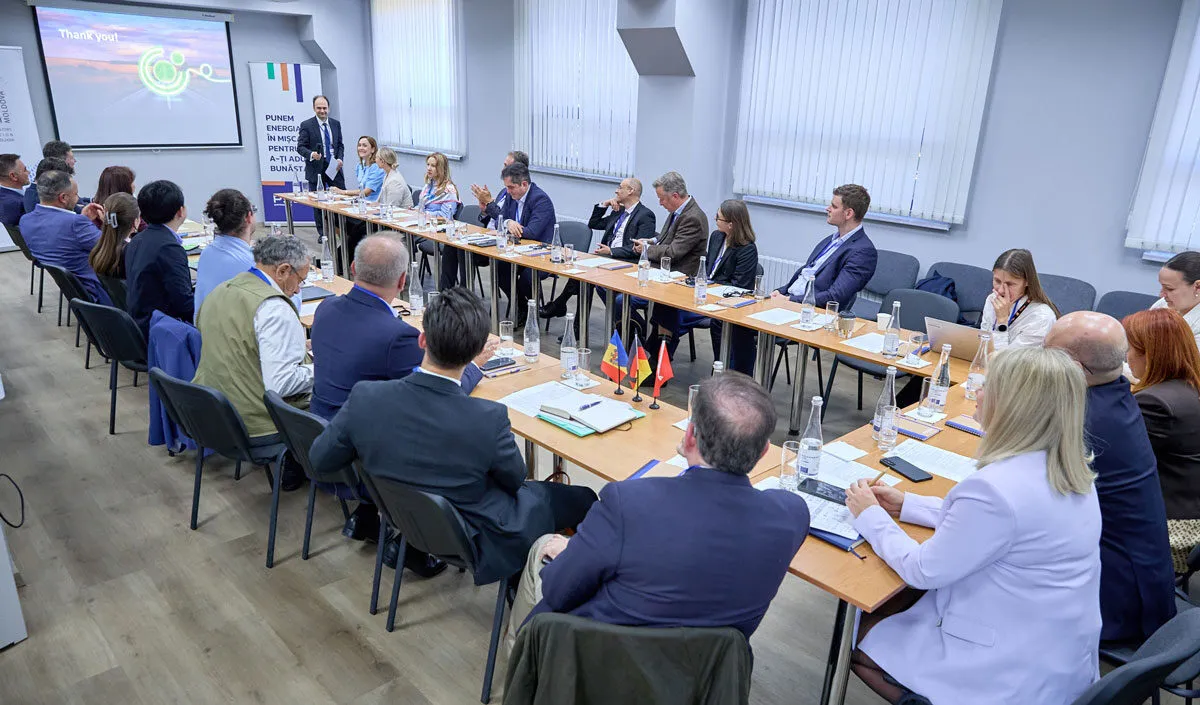
As part of Moldova Business Week 2026, the Foreign Investors Association (FIA) implemented the Investor Trust Platform – Trust Built on Experience. The platform gave potential investors direct access to companies that have already moved from the initial investment decision to years of operating and developing their businesses in Moldova.
“Potential investors need to hear from those who have already committed capital, built teams and developed their businesses in Moldova. These companies can explain not only why they chose the country, but also how the market works in practice, which solutions have proved effective and what is needed for further growth. This kind of direct dialogue between investors is at the core of the trust we want to strengthen through this platform,” said Alphan Akpece, President of FIA and General Director of Efes Vitanta Moldova Brewery.
Practical experience beyond a general country presentation
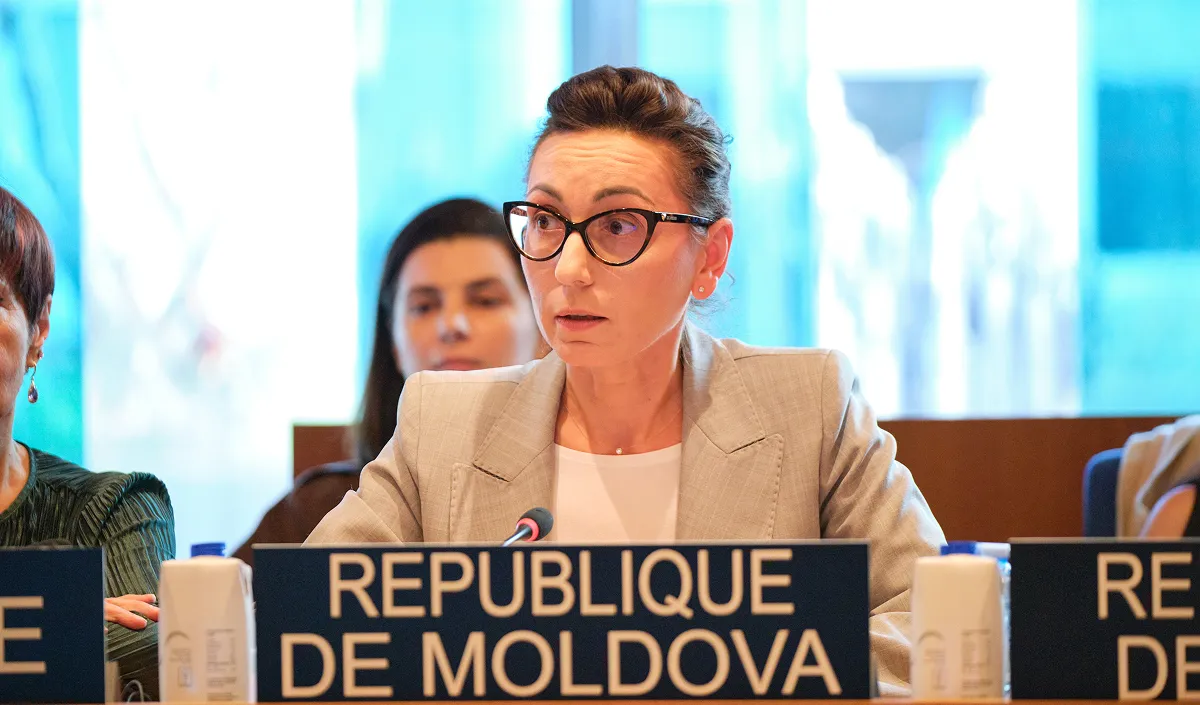
At the FIA Executive Business Lunch, participating companies each presented one aspect of their experience that could be particularly relevant to a new investor.
The discussion brought together very different perspectives on doing business in Moldova.
Efes Moldova focused on continuous production modernisation and resource efficiency. Premier Energy Moldova shared its experience of long-term investment in the energy system and the opportunities created by its transformation. Moldcell spoke about developing new business lines beyond traditional telecom services, while Orange Systems showed how a team based in Moldova can serve clients across dozens of international markets.
Medpark presented the experience of developing healthcare services in Moldova to international standards. METRO Moldova showed how the requirements of a professional market can help local producers improve their processes and become more reliable suppliers. Sandriliona shared its experience of entering foreign markets and building effective export logistics.
Purcari presented the journey of a Moldovan company towards the European capital market and its listing on the Bucharest Stock Exchange. OTP Bank explained the conditions that make an investment project bankable. PwC Moldova highlighted administrative procedures that can affect the timeline for a business to become fully operational.
The short presentations set the direction for further discussion. Potential investors were then able to ask questions and speak directly with company executives. At that point, general interest in the market began to turn into specific business issues.
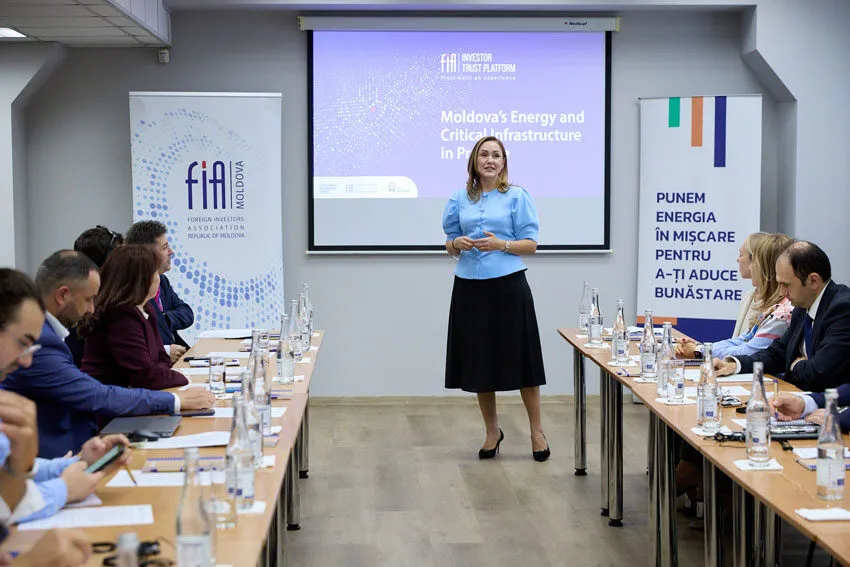
“For us, it was important to see whether companies were ready to discuss practical matters with potential investors as openly as they do within the business community. They were genuinely willing to share not only results, but also their experience of finding solutions, adapting to change and dealing with regulatory or infrastructure constraints. That is what made the discussion useful,” said Ana Groza, Executive Director of FIA.
When the market can be seen in operation
Two Investor Experience Visits continued the same communication approach outside the conference room.
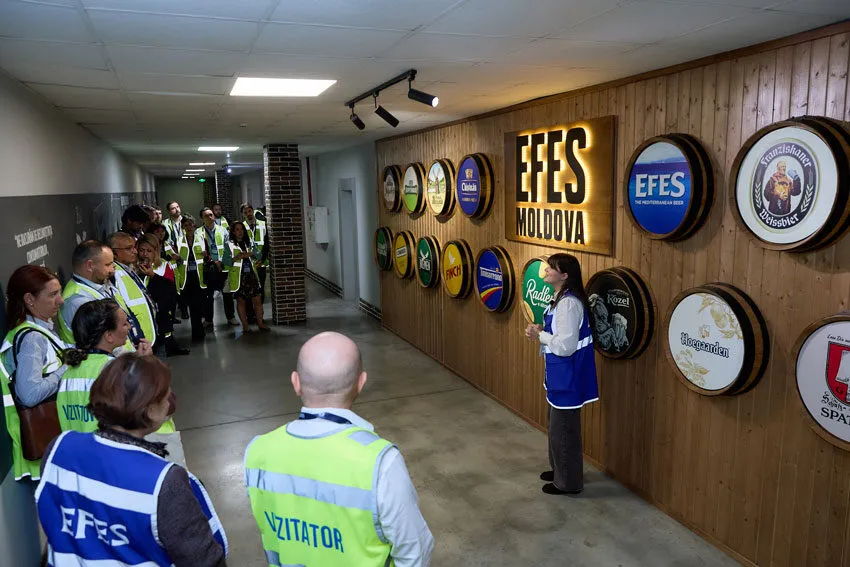
The Moldova’s Agri-Food Market in Practice visit was hosted by Efes Moldova, with the participation of Südzucker Moldova, GRAWE CARAT Asigurări, METRO Moldova and Sandriliona. The discussion naturally expanded from production to the broader value chain, from the raw-material base and cooperation with agricultural producers to risk insurance, professional market requirements and export logistics.
A single visit made it possible to see how many companies, processes and solutions stand behind concepts such as the “agri-food sector” and “local production”. For a potential investor, this provides a clearer understanding of how the relationships around a specific business actually work.
Moldova’s Energy and Critical Infrastructure in Practice, hosted by Premier Energy with the participation of Orange Moldova, Moldcell and OTP Bank, offered a different perspective. The discussion focused on energy, telecommunications, digital infrastructure and financing – the systems on which the stable operation of businesses across different sectors depends.
The final part of the visit gave a particularly clear picture of this transformation. After the presentations and discussion, participants moved from Premier Energy’s old dispatch centre, built during the Soviet period, to its modern digital network control centre. Changes that had previously been described through investment, technology and operational indicators could be seen directly in operation.
The first visit showed the connections within a business value chain. The second demonstrated the infrastructure that supports the resilience and further development of that chain.
What changes when the dialogue becomes more specific
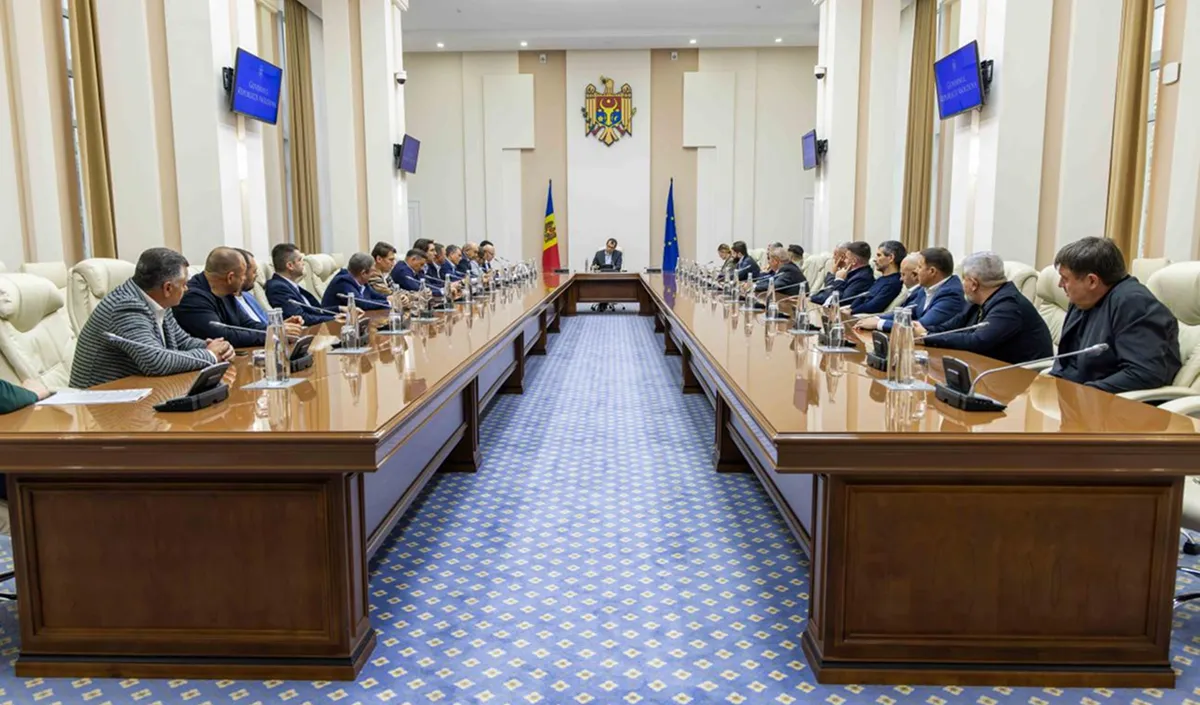
Invest Moldova Agency worked with potential investors within the platform, bringing together companies that were already considering Moldova as a possible investment destination.
The profile of participants immediately shaped the discussion. At the Business Lunch, the focus included access to finance, market conditions, exports, administrative procedures and business development after the initial investment. During the visits, the questions became even more specific: grid connection, the energy storage market, smart metering, technical standards, agricultural risk insurance, logistics and supplier requirements.
“We saw that potential investors move very quickly from general questions to highly specific ones: connection, financing, suppliers, logistics, market requirements and administrative procedures. This is a good indicator of the quality of the dialogue, because at that point interest in the country is already beginning to turn into discussion of a concrete project,” said Natalia Bejan, Director of Invest Moldova Agency.
For the Agency, this type of communication complements the official presentation of the country’s opportunities with direct dialogue with business. For a potential investor, it helps shorten the distance between general market information and the questions related to a specific project.
Trust backed by experience
The FIA Investor Trust Platform demonstrated the value of the experience accumulated by companies that have already invested in the Republic of Moldova and continue to develop their businesses here.
These companies can engage with potential investors at a much more practical level. They know which opportunities work in practice, which issues should be clarified early, where additional effort may be required and which solutions are already available in the market.
In this model, companies already operating in Moldova become a direct source of information for potential investors. Their value lies in their ability to explain the market through their own experience, data, decisions and the constraints they have encountered in practice.
For FIA, this creates a distinct format for building investment confidence. For Invest Moldova Agency, it provides an additional way to promote the country through direct engagement with business. For potential investors, it offers an opportunity to understand real operating conditions more quickly and identify the right counterparts for further discussion.
In this sense, Trust Built on Experience captures the principle behind the platform: confidence in Moldova’s investment opportunities is strengthened by the concrete experience of companies that are already investing and growing their businesses in the country.
About FIA
The Foreign Investors Association (FIA), founded in 2003, currently brings together 25 international companies operating in key sectors of the Moldovan economy. The cumulative investment of FIA member companies is approximately EUR 2.6 billion. Together, they employ around 20,000 people and, according to estimates, account for 19% of the Republic of Moldova’s GDP.
FIA represents the common interests of investors and draws on the practical experience of its member companies to identify issues affecting the investment environment, develop recommendations and maintain structured dialogue with public authorities.
FIA’s main public policy document is the White Book, published since 2005. The 2025 edition contains more than 100 recommendations across eight strategic areas, while the implementation rate of recommendations from previous editions exceeds 80%.
Follow our updates
Have information for the newsroom? Share it with Logos-Press







Comments
0No comments yet. You can start the conversation.
Comments are open to readers with a Logos Press account.
Sign in to comment