News about Agribusiness
Global coffee and sugar prices continue to rise amid concerns about future harvests in the major producing countries. Investors are reacting to prolonged rains in Brazil and a lack of rainfall in India, which could reduce supplies of these two key agricultural commodities.

The Board of Directors of the Swiss Syngenta Group, one of the world’s largest players in the crop protection and seed markets, has unanimously appointed Hende Qin as its new CEO. He will take office on August 1, 2026, succeeding Jeff Rowe, who will return to the United States after nearly 10 years with the company.

This year, Moldova—which has traditionally been the largest importer of butter from Ukraine—increased its share by nearly 30%.

The “high season” for sales of late-season sweet cherries is beginning in Moldova. This is typically a period when prices rise, and sometimes the quality and volume of exports of these fruits also increase. This year, due to weather conditions, the season began significantly later than usual. Market operators see this as a “window of opportunity” in foreign markets.

Ukraine can leverage its strengths in the agricultural sector in its relations with third countries and opt out of the subsidy system in place in the European Union. This view was expressed by Katarina Maternová, the EU Ambassador to Ukraine.

In June 2026, 68 micro and small farms received funding totaling 46.7 million lei under the “Agricultural Credit Facilitation” (FCA) program. In total, between March of last year and June of this year, 649 farms in this category received refinancing totaling 554.20 million lei through the FCA program.

In June 2026, the Agency for Investment and Payments in Agriculture (AIPA) approved subsidy applications totaling 53.96 million lei for payment to agricultural producers.

Strengthening cooperation between the National Food Safety Agency (ANSA) and the Food and Agriculture Organization of the United Nations (FAO) in the area of collecting and exchanging statistical data on the use of pesticides and fertilizers was discussed by ANSA Deputy Director General Alena Kastravets and Dorian Kalamvrezos Navarro, an expert with the FAO Statistics Department.

In Central and Southeastern Europe, a long and relatively wet spring created favorable conditions for the early cabbage harvest. As a result, cabbage prices in Poland plummeted from the very start of the selling season. In Ukraine and Moldova, cabbage prices remained at a relatively high level until the end of the first month of summer. However, a significant drop in prices for mid-season—“seasonal”—cabbage is expected going forward.

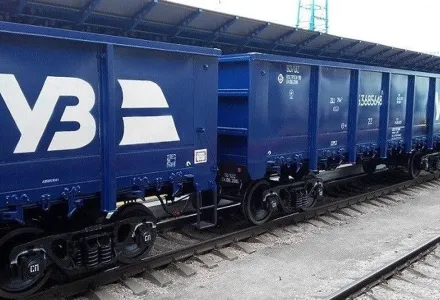
Ukraine’s rail freight carrier, Ukrzaliznytsia, did not change its rates for the use of grain cars in July of this year. However, the cost of transporting other types of cargo using the company’s rolling stock has increased.
The Ministry of Agriculture and Food Industry (MAIA) presented information on the establishment and expansion of the Rural Development Data Network (RDDA) during an informational session it organized for representatives of agri-food sector associations.

New FAO regional flagship report highlights persistent inequalities in food security and nutrition, rising diet costs and growing concerns over obesity and child overweight

The Agency for Agricultural Interventions and Payments (AIPA) has announced the start of the next (seventh) round of accepting applications from livestock producers for direct “per kilogram” milk payments. The application period runs from July 6 to August 14, 2026. Farmers may submit their applications (along with the required supporting documents) to their local AIPA offices.

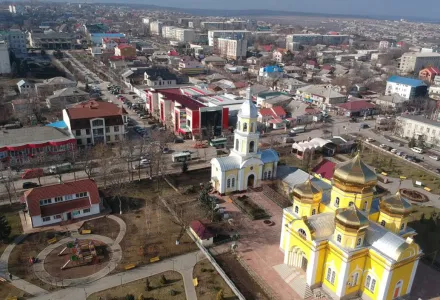
Comrat is the administrative center of the Gagauz Autonomous Region, a university hub in the south of the country, and the second-largest of Moldova’s small towns with special status.
The non-governmental organization “Moldova Organic Agriculture Value Chain Alliance”/“Alianța Lanțului Valoric în Agricultura Ecologică din Moldova” (MOVCA) does not support the “watered-down” amendment to Law No. 237/2023 on organic production and the labeling of organic products.

Last week, the National Food Safety Agency (ANSA) organized two training programs for phytosanitary inspectors with support from the GIZ (German Agency for International Cooperation) project and in partnership with EU4Trade/CEFTA.

The Competition Council has begun reviewing a merger between the two companies to determine whether the resulting economic concentration in the fruit and vegetable processing market is compatible with a normal competitive environment.

Using land for both electricity generation and food production is a promising solution.

The El Niño weather phenomenon could lead to a decline in sugarcane production in India and a reduction in sugar exports, which could cause global sugar prices to rise.

An official letter from the Association of Grain Exporters and Importers “Agrocereale” addressed to the Ministry of Infrastructure and Regional Development, the Ministry of the Interior, the General Inspectorate of Police, the National Road Transport Agency, the Customs Service, and the State Road Administration.