Dorin Junghietu
The proposed draft laws provide for the recognition of the heating modernisation works in the two municipalities as public utilities of national importance. According to the Ministry of Energy, this should remove the legal and administrative obstacles associated with carrying out works in blocks of flats.
What will change in the heating systems
As part of the programme, old vertical heat distribution systems, dating back to the Soviet era, will be replaced by horizontal systems. For flats included in the programme, individual meters are to be installed, enabling residents to pay for the heat energy they actually consume.
In Chișinău, the work is being carried out as part of the ‘Optimisation of the Centralised Heating System’ (OSACET) project, known as ‘Casa caldă’. Its total cost is estimated at approximately €326 million.
The project involves the installation of 2,510 individual heat distribution units, the conversion of 1,665 blocks of flats to a horizontal heat distribution system, pilot projects on building insulation, the rehabilitation of primary heating networks and the construction of two pumping stations.
In Bălți, the modernisation is being carried out as part of the ‘Bălți Municipal Heating System (CET-Nord JSC) – Phase II’ project, funded by the European Bank for Reconstruction and Development. The project involves the refurbishment and replacement of heating networks and installations, the installation of individual heat distribution units, and the modernisation of communal heat distribution systems, including in residential buildings.
Special legal framework to prevent obstruction
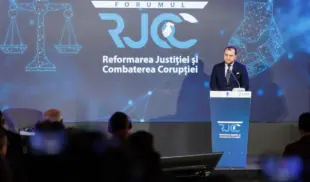
As Energy Minister Dorin Junghietu stated, the need for new legislation stems from existing restrictions on carrying out works in communal areas and service installations within blocks of flats.
“At present, work is being blocked,” the minister noted, explaining that current legislation permits the modernisation of heating supply systems; however, any intervention in the common areas and building services may be subject to the consent of the co-owners.
According to Junghietu, this concerns more than 1,700 residential buildings in Chișinău and nearly 300 in Bălți. If the current approval procedure remains in place, there is a risk of missing project deadlines and failing to meet the obligations set out in the financing agreements.
The proposed bills establish a temporary right of access to the properties to carry out work required exclusively for the implementation of the two investment projects.
The Ministry of Energy emphasises that property owners must be notified in advance of the nature of the works, the timeframe for their completion and any potential impact on their property. Access will be limited to the areas necessary for modernisation and will apply only for the duration of the works. Any damage caused during construction must be compensated in accordance with the law.
Up to 30 per cent savings in heat energy
For consumers, the modernisation should ensure more efficient management of heat consumption and reduce losses in the system. According to estimates, efficiency-enhancing measures could reduce heat consumption by up to 30 per cent.
Individual control will also allow residents to monitor their heat consumption and be billed based on actual usage.
For the district heating systems in Chișinău and Bălți, the projects are of infrastructural importance: the modernisation is set to affect not only the networks but also the equipment inside apartment blocks, through which heat is supplied directly to consumers.
According to the Ministry of Energy, the implementation of these projects should create the conditions for accelerating investment works and meeting the deadlines set out in the financing agreements.
Follow our updates
Have information for the newsroom? Share it with Logos-Press