The US technology corporation Oracle plans to raise $20 billion through bond issues and share placements to finance the expansion of its cloud infrastructure and the construction of artificial intelligence facilities. This large-scale capital-raising programme reflects the growing need among technology companies for funding AI infrastructure, whilst simultaneously drawing investors’ attention to Oracle’s debt burden.

The Moldovan Ministry of Defence has become an official partner of the European financial instrument SAFE, which provides for the joint procurement of military equipment and materiel.

In Moldova, the first step has been taken towards creating a long-term investment institution – the launch of the covered bond market. This is much more than simply the introduction of yet another complex financial instrument. It is a systemic shift that is steering the country’s entire economic model away from short-term planning and onto the path of long-term, strategic development.

Environment Minister Gheorghe Hajder held several meetings at the UN Conference on Biological Diversity (COP17), which took place in Armenia.
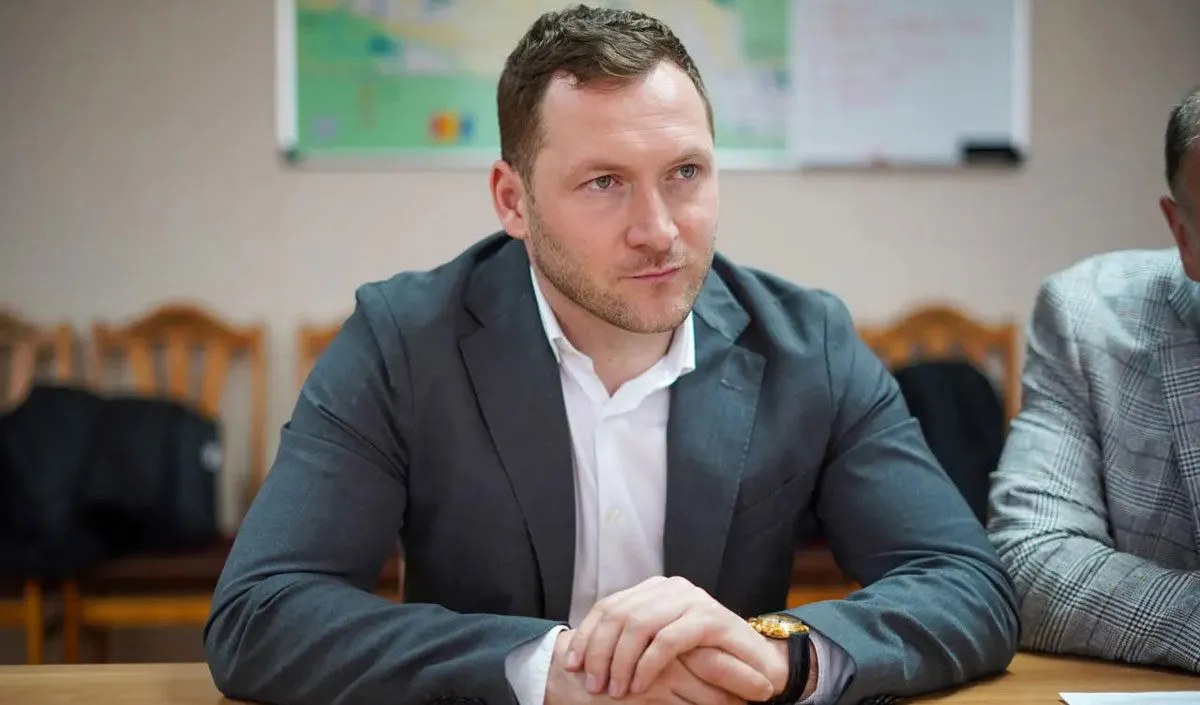
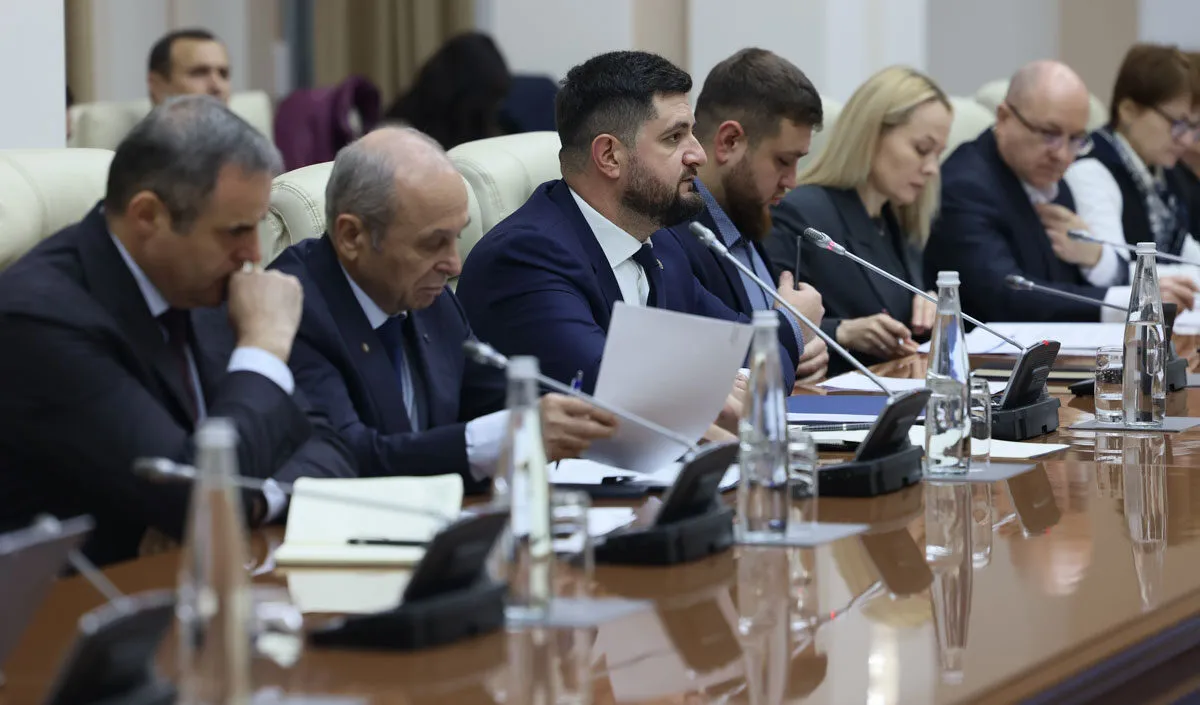
The Winter Preparedness Commission reviewed measures to ensure a reliable energy supply during the cold season.
The world has depleted its supply reserves, drawing down nearly 1 billion barrels of oil from global stocks since the US and Israeli war against Iran disrupted shipping through the Strait of Hormuz.

The crypto market has almost recovered from the slump that followed the $6 billion Binance hack at the end of October. The largest crypto exchange had suspended but has since resumed withdrawals, after which the Bitcoin price rose by 2 per cent from its local low and returned to the $78,000 mark.

A rare gold palanquin by the Fabergé jewellery house, formerly owned by the Rothschild family, will be one of the highlight lots at Sotheby’s December auction in New York. The miniature, created around 1910, could fetch more than $1 million at auction.

According to MP Constantin Cuiumju, Energocom made a profit of over 1.2 billion lei in 2024 and 2025. Of this amount, only about a quarter – approximately 322 million lei – was transferred to the budget. The remaining three-quarters, almost 900 million lei, remained at the company’s disposal.

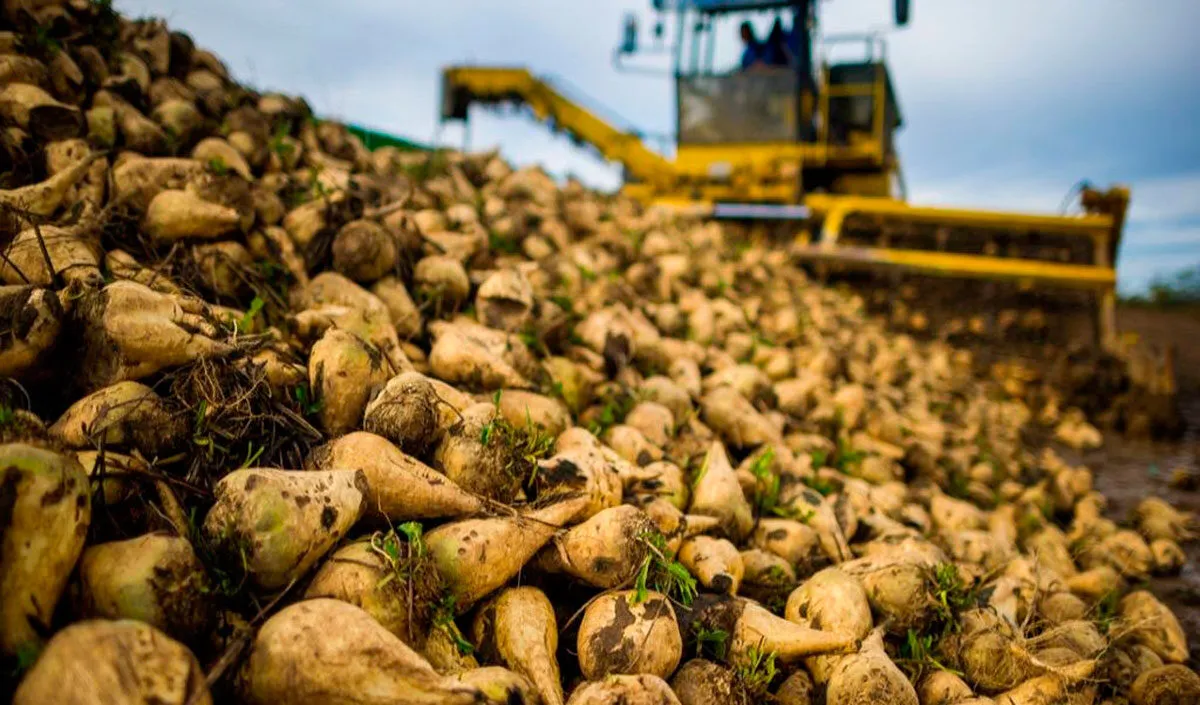
Sugar beet producers are calling for an emergency meeting to be convened by 6 November with Prime Minister Vasile Tofan, MAIA Minister Eugen Osmocescu and representatives of the relevant parliamentary committees. The aim of the meeting is to clarify the prospects for the payment of subsidies ‘per hectare of sugar beet’, as provided for in the PSPA strategic agricultural policy programme for 2026.