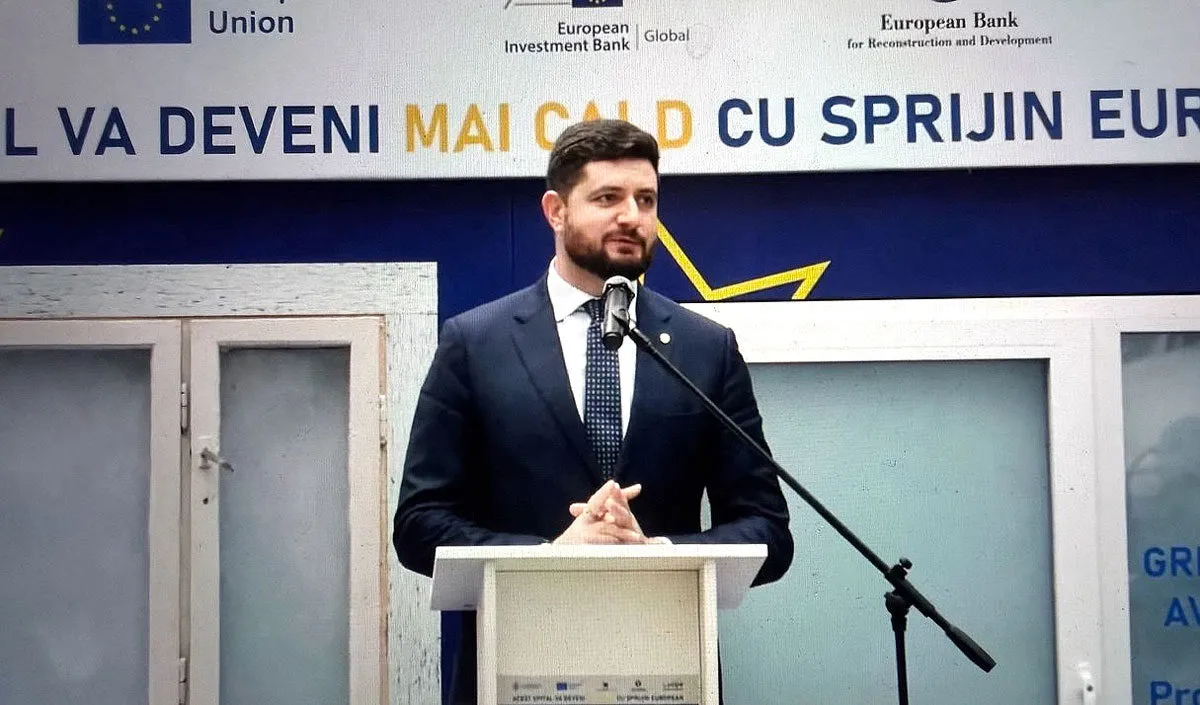
In Moldova, the refurbishment of two major healthcare facilities has begun as part of a €72.4 million energy efficiency programme. Following the modernisation, energy consumption at ten national hospitals is set to be reduced by approximately 40 per cent, whilst conditions will be improved for more than 1 million patients and 10,000 healthcare workers.
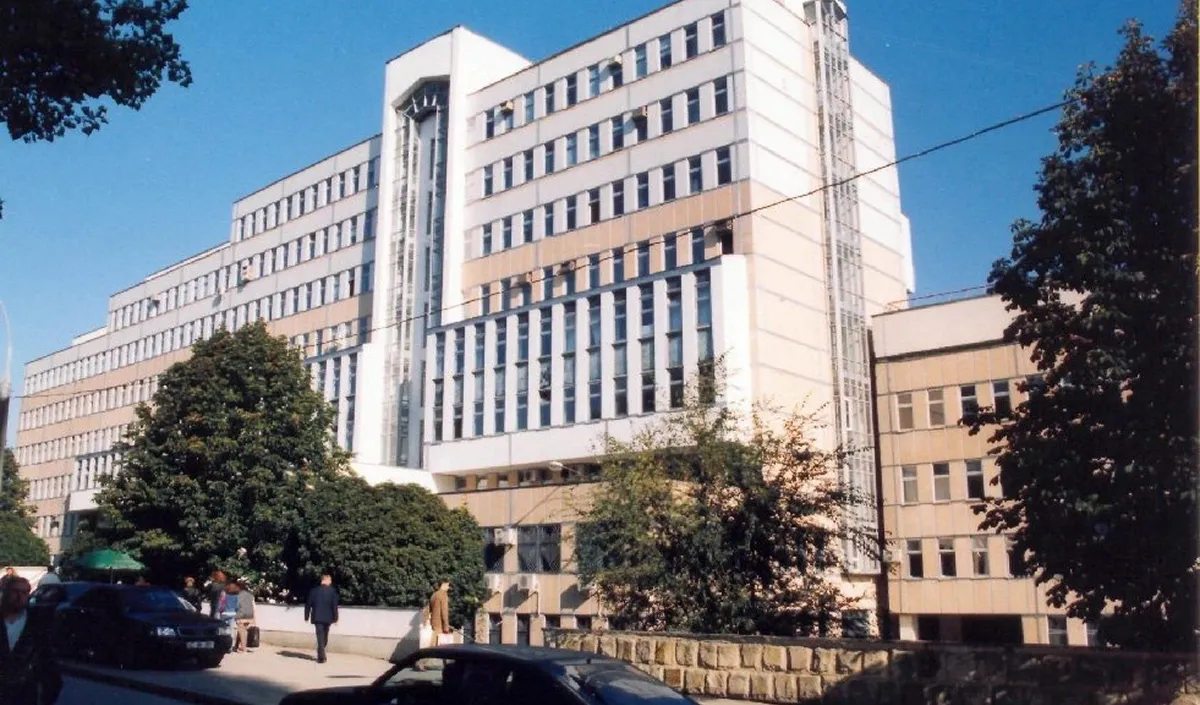
The Municipal Clinical Hospital of Phthisiopneumology is now equipped with an ultrasound scanner for general, cardiological and vascular examinations, as well as an automatic device for washing, cleaning and processing endoscopes.
The survey results were presented at the 2026 Patients’ Forum. These are the first findings from the voceapacientului.md platform, which was launched this year.

Dialogue between the authorities and patient organisations will be facilitated through the National Patients’ Council. This new body will be able to monitor government policy, draft legislation and decisions affecting patients’ interests.

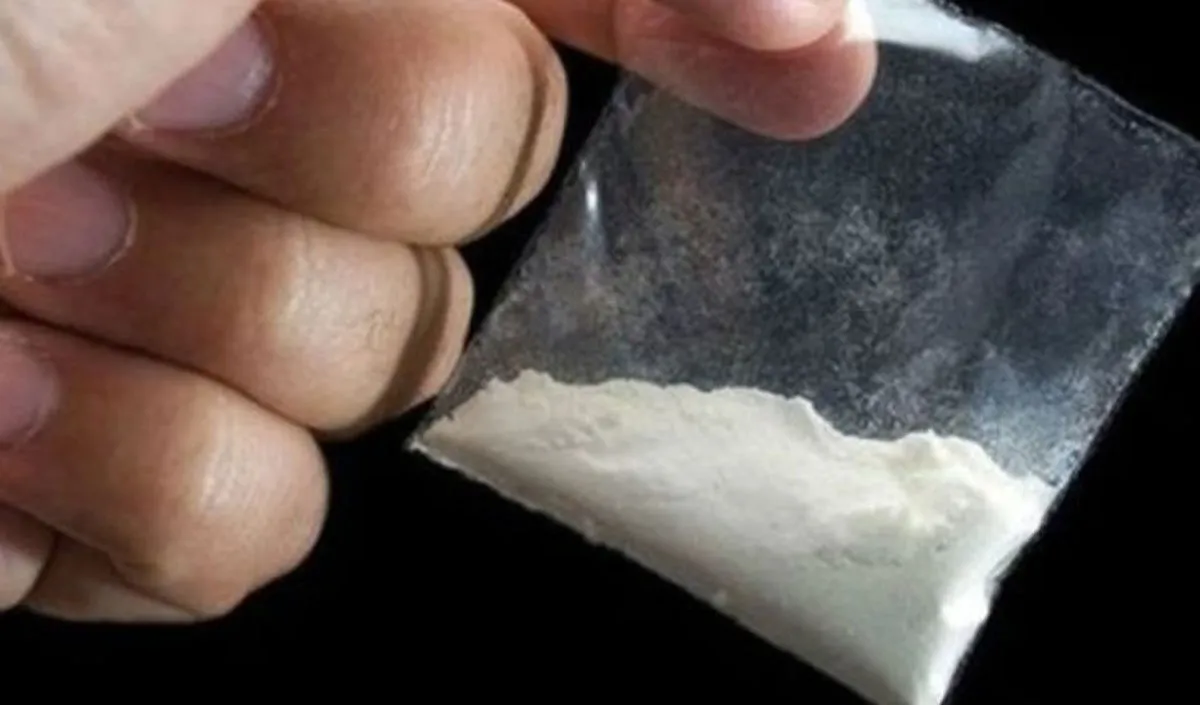
Over 70 per cent of drug-related cases in the Republic of Moldova involve new psychoactive substances (NPS), and their use poses ever-increasing risks to public health. This phenomenon is highlighted in the National Strategy on Drugs and Addictions for 2026–2032, which points to the expansion of the market for synthetic substances and the emergence of new distribution methods.
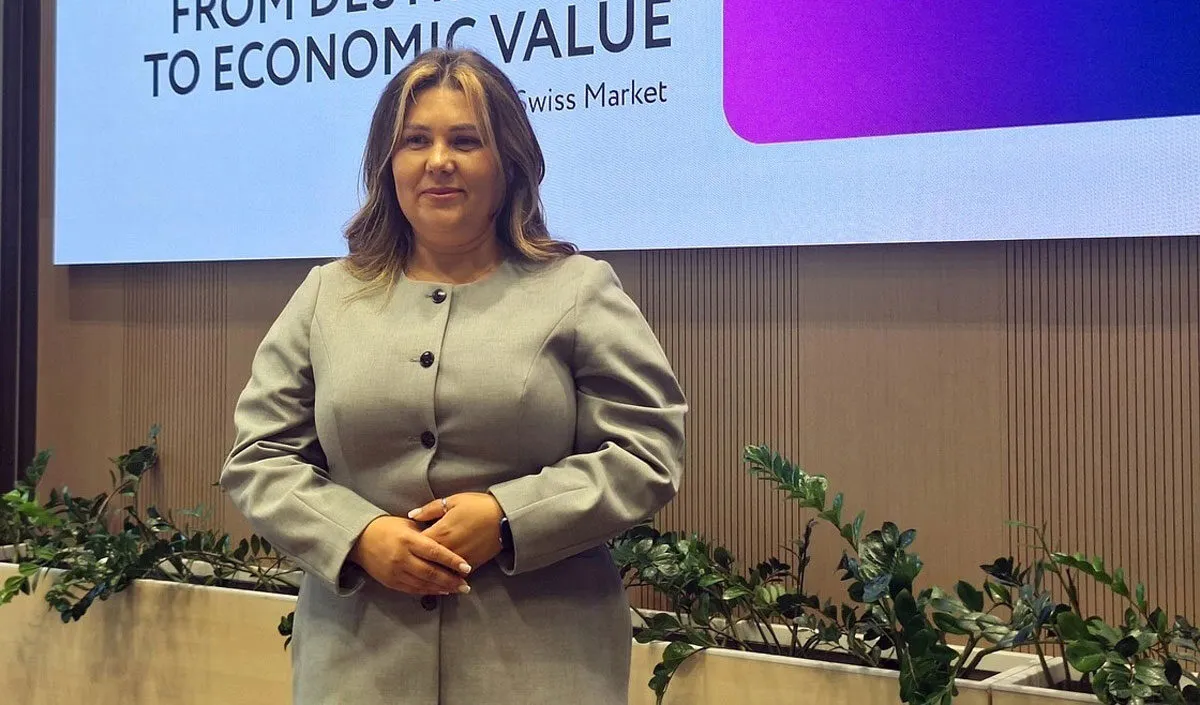
Moldova is developing its offerings in the fields of wine, rural and specialised tourism, targeting visitors from new markets and striving to ensure that tourists stay in the country for longer periods.
Medical professionals and pharmacists in Moldova will practise on the basis of a professional licence issued in electronic format. This will enable healthcare facilities and patients to verify the validity of a specialist’s right to practise in the relevant field.

The Ministry of Health proposes a gradual change to the rules governing the pricing of over-the-counter medicines. Price caps will be maintained for essential medicines, whilst for other medicines it is proposed that restrictions on the trade margin be gradually relaxed.
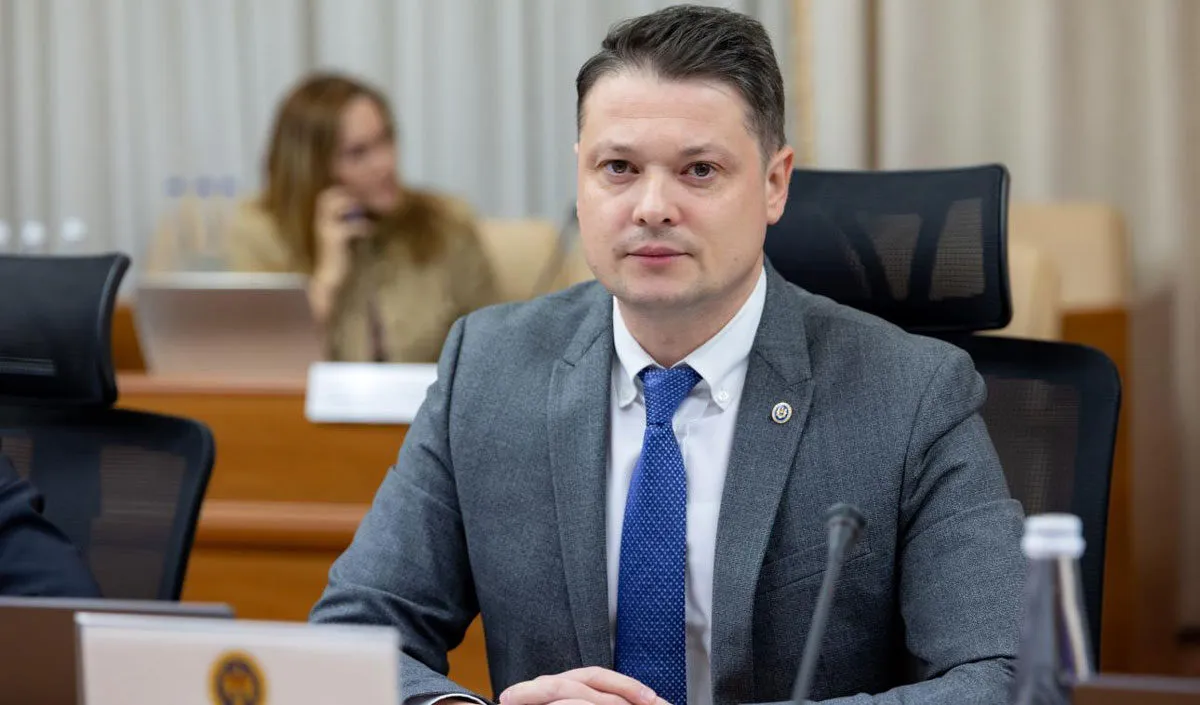
A hospital is not Disneyland, where families come for a feel-good experience. In the country’s healthcare system, patients face long waiting times, having to walk from one floor to another, and difficult moments, which are experienced by both them and their loved ones. The Ministry of Health intends to change the approach to the management of healthcare institutions, placing greater emphasis on the patient, their needs and their dignity.

Total expenditure by the compulsory health insurance funds will exceed 19.4 billion lei, with hospital care receiving the largest financial allocation. At its meeting on Friday, 16 October, the Board of the National Health Insurance Company (CNAM) revised the revenue and expenditure estimates for the compulsory health insurance funds (AOAM) for the current year 2026.