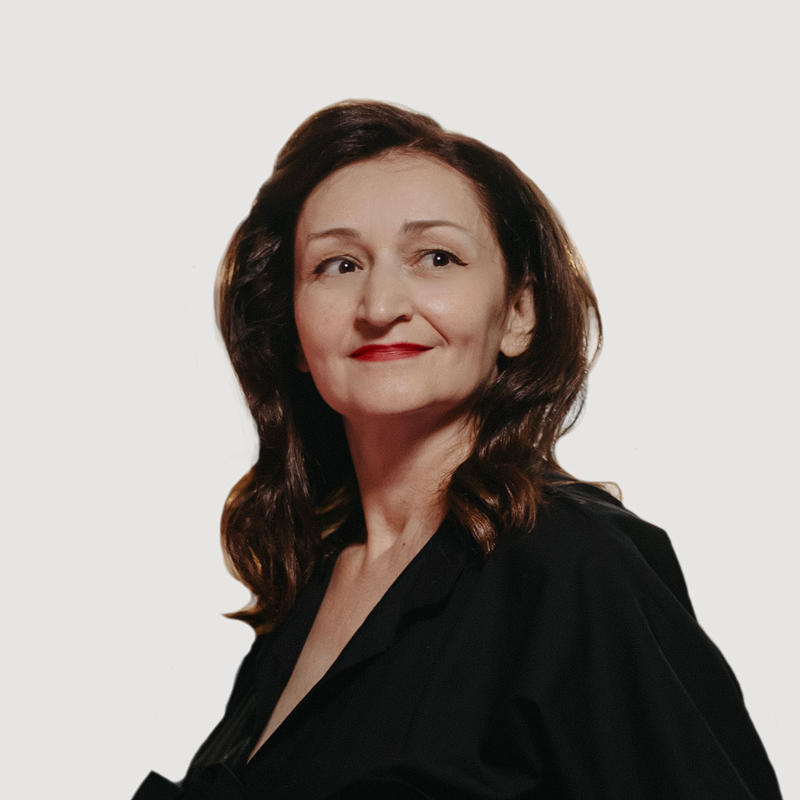

In an interview with Logos Press, CNAM Director General Ion Dodon said that the average amount of financial support per patient reached 1,755 lei last year. In 2021, it ranged from 600 to 700 lei. This trend indicates a paradigm shift: while drug prices have remained stable, the primary financial burden has shifted from patients to the state.
“This is a positive change, as our goal is to ensure financial protection for the population. We are talking about the most vulnerable groups of citizens—those suffering from chronic diseases and the elderly. Half of the expenditures go toward the treatment of cardiovascular diseases. Another 24% or so is allocated to endocrine diseases, including diabetes, particularly type 1,” stated the head of the CNAM.
He also noted that the list of reimbursable products is being expanded. For example, for patients with diabetes, in addition to standard supplies (syringes and lancets), reimbursement is now available for modern continuous glucose monitoring systems.
“Following publication in the ‘Monitorul Oficial,’ sensors for continuous glucose monitoring—modern devices for measuring blood sugar levels—will also be covered. The reimbursement mechanism works as follows: the state covers the median cost, and the patient can choose either a free device or a more expensive one by paying the difference. In any case, instead of the full cost of 2,000 lei, the patient will pay only 300–400 lei,” added Ion Dodon.
In 2025, according to CNAM data, 111,000 people received medical devices that were free or partially subsidized by the state, and most of them were patients with diabetes.


