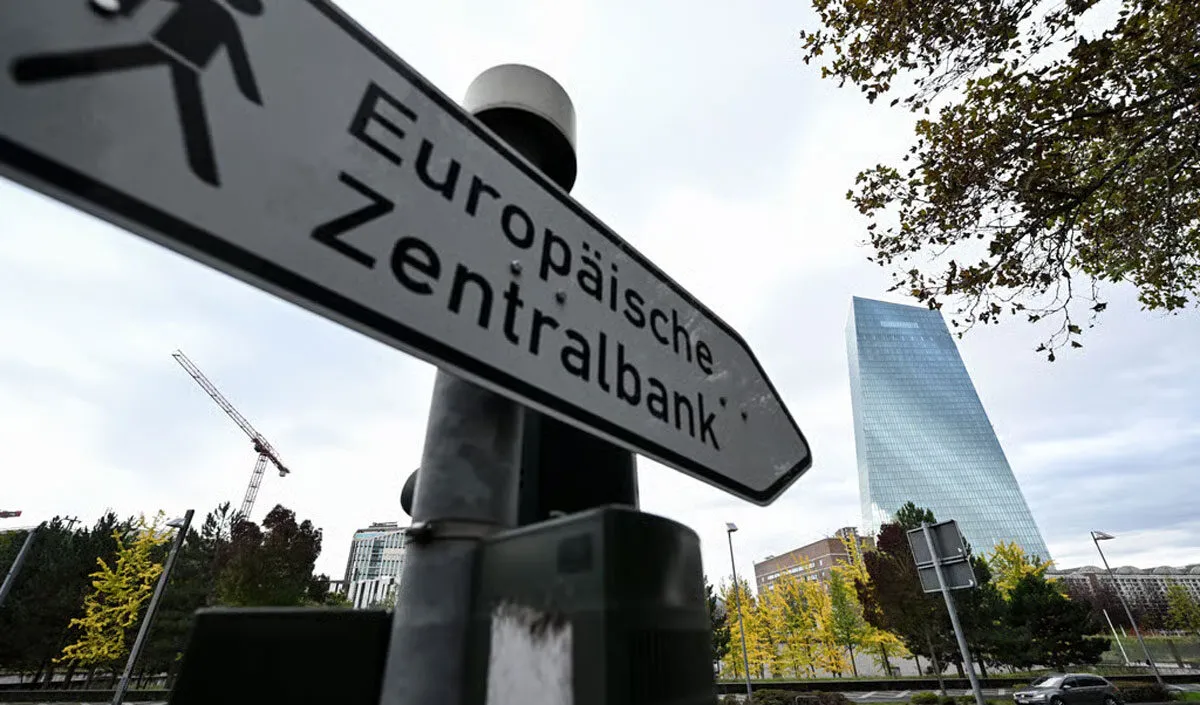
European politicians face another difficult task before the end of 2026 – naming the new President of the European Central Bank (ECB). The choice is not an easy one, given the ‘package’ nature of the appointments, which also include two vacant seats on the ECB’s Executive Board. However, far more important is the policy direction that the new head of the central bank will pursue, given the differing expectations and concerns of a number of key countries.
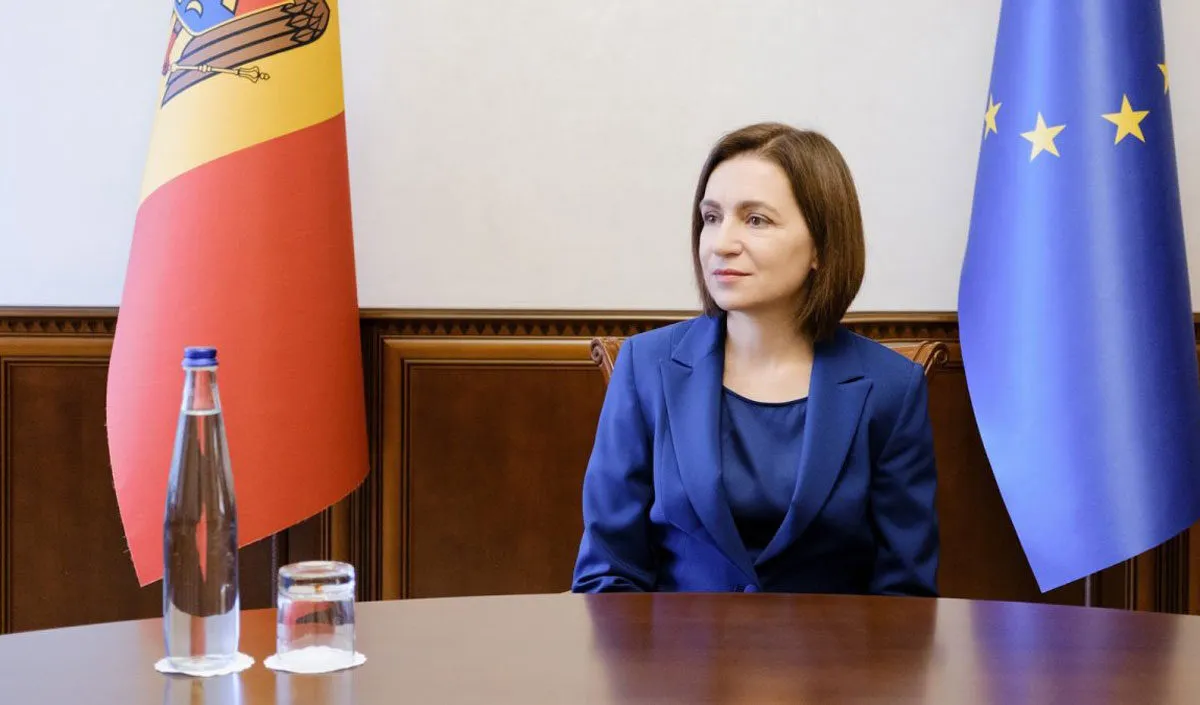
“By blocking Moldova, you are not helping Ukraine,” said President Maia Sandu in an interview with the Hungarian publication Válasz Online, commenting on the process of opening the negotiation clusters with the European Union.
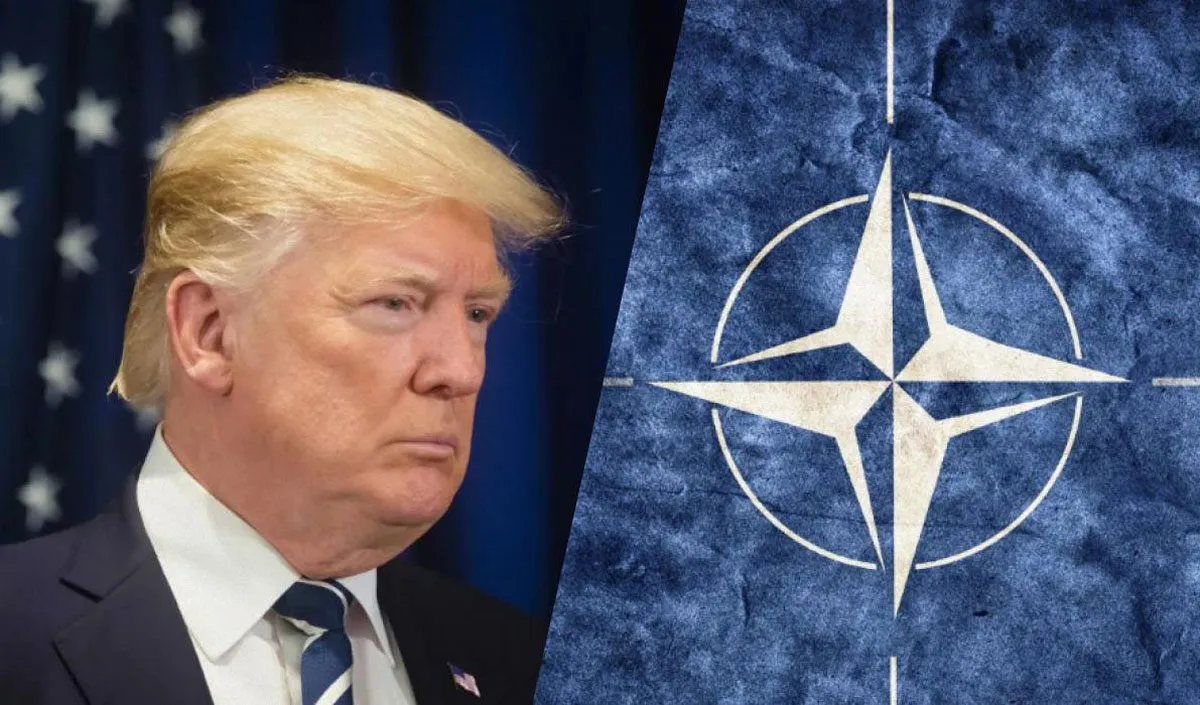
The US President may withdraw thousands more troops from Europe or cut funding for the Alliance.
Parliament discussed the situation regarding freedom of speech and the development of the media sector in the context of implementing the National Media Development Programme for 2023–2026 and assessing recent electoral processes. Participants at a technical meeting organised by the relevant parliamentary committee, together with experts from the International Media Support Organisation (IMS), took stock of the progress made so far in reforming the media sector and outlined priorities for the period up to the end of 2026, including strengthening the independence of the press and the economic sustainability of media outlets.

The Voice of Regions project brought together 88 young people from Otaci, Taraclia, Edinet, Comrat and Cahul, who proposed more than 25 ideas for the development of their communities. Among the initial outcomes are a support club for mothers in Otaci, the launch of a social library and initiatives aimed at increasing youth participation in community life.
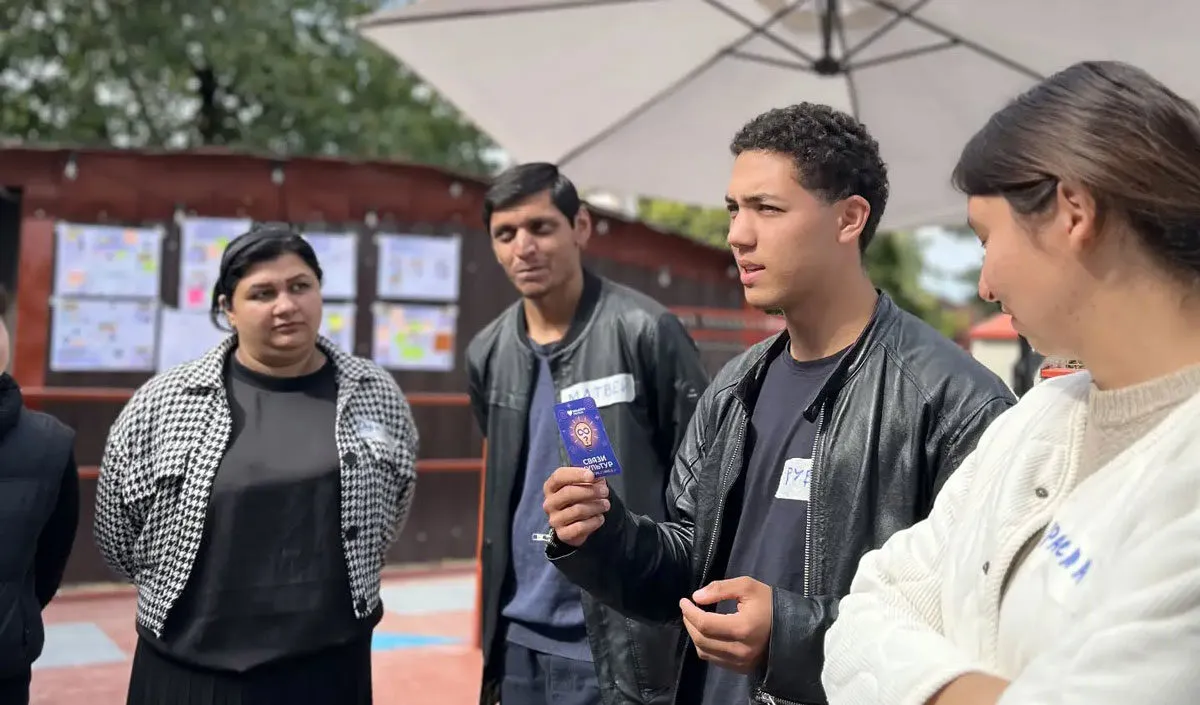
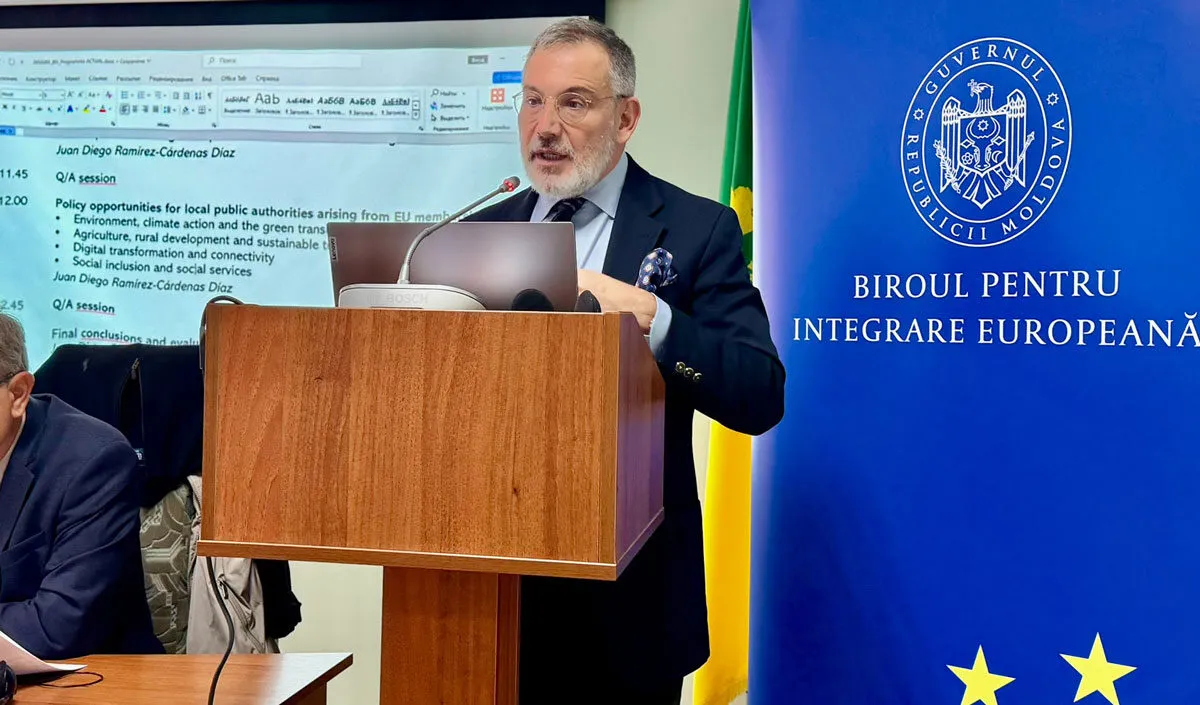
On 30 October, the Bureau for European Integration organised a training seminar in Strășeni for the region’s local authorities on the topic ‘Preparing the local authorities of the Republic of Moldova for accession to the European Union: governance, EU legislation and participation in the European decision-making process’.
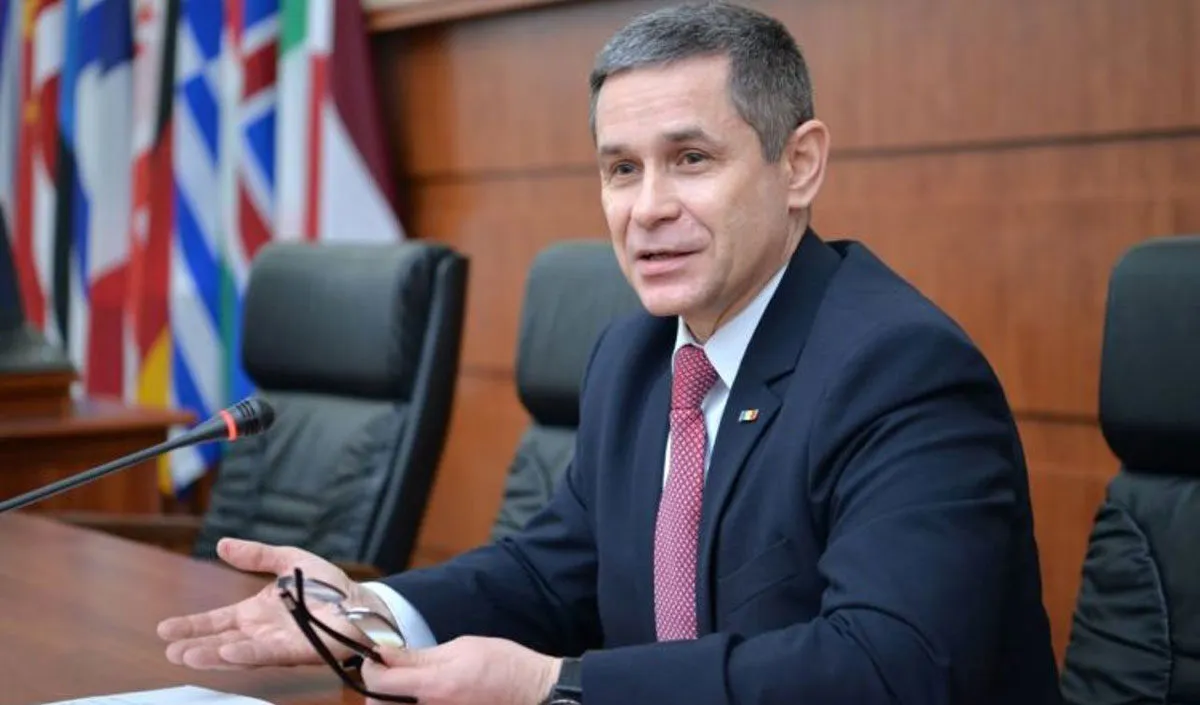
Moldova and Romania are preparing to sign a military cooperation agreement that will enable them to jointly procure military equipment under the European programme Security Action for Europe (SAFE).
Polish President Karol Nawrocki returned urgently from Senegal after a conflict erupted in the country over the Constitutional Tribunal. Police cordoned off the court building in Warsaw, hundreds of people took to the streets in protest, and representatives of the president’s camp and Donald Tusk’s government accused each other of violating the constitutional order.

In the first half of 2026, electricity prices for households in Romania rose by 51.6 per cent year-on-year – the sharpest increase among EU countries.

The International Organisation for Migration (IOM), with financial support from the European Union and in cooperation with the Government of Moldova, has launched a new EU project on borders and customs in Moldova (EUBAC). This new initiative will coordinate the authorities’ efforts to improve border management and the operations of the Customs Service.