The European Union has provided Ukraine with a further tranche of 4.36 billion euros as part of the Ukraine Support Loan programme.

Moldova’s legal authorities are strengthening their cooperation with a view to ensuring the more prompt implementation of the judgments of the European Court of Human Rights (ECHR).
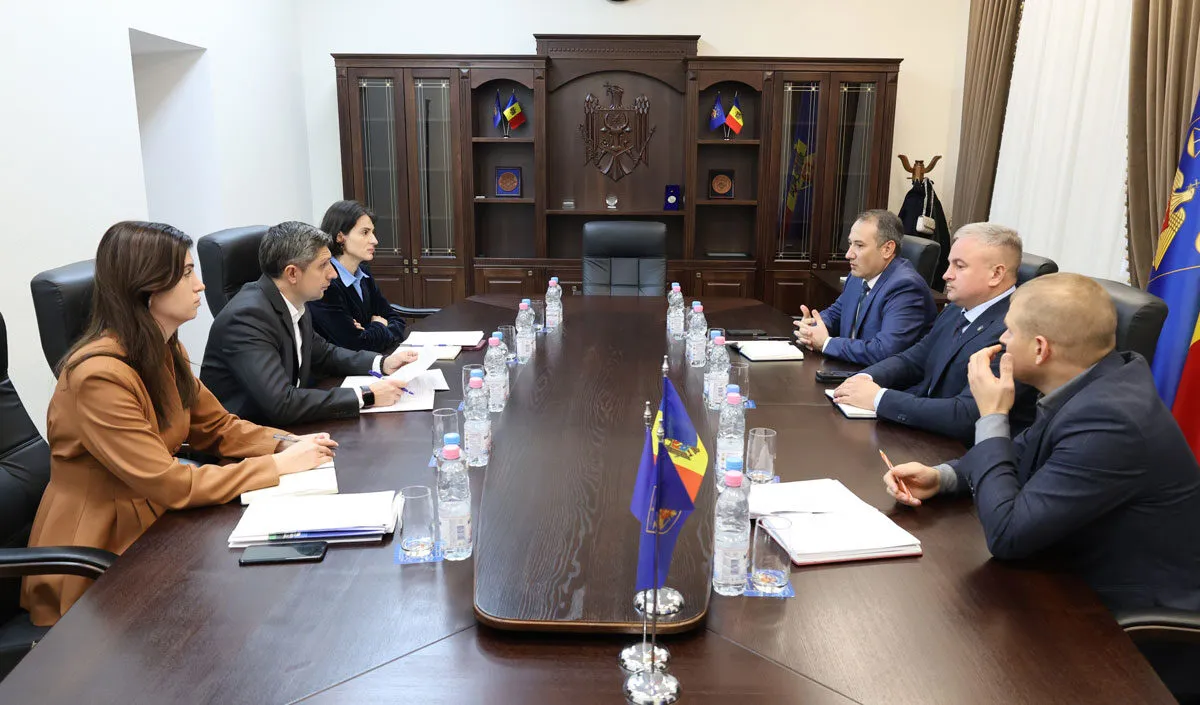
An expert mission by the European Commission, focusing on the legislative framework for the digitalisation of healthcare and Moldova’s integration into the European Health Data Space, has concluded in Chișinău. The main focus was on the protection of medical information, electronic prescriptions and the use of data for scientific research.

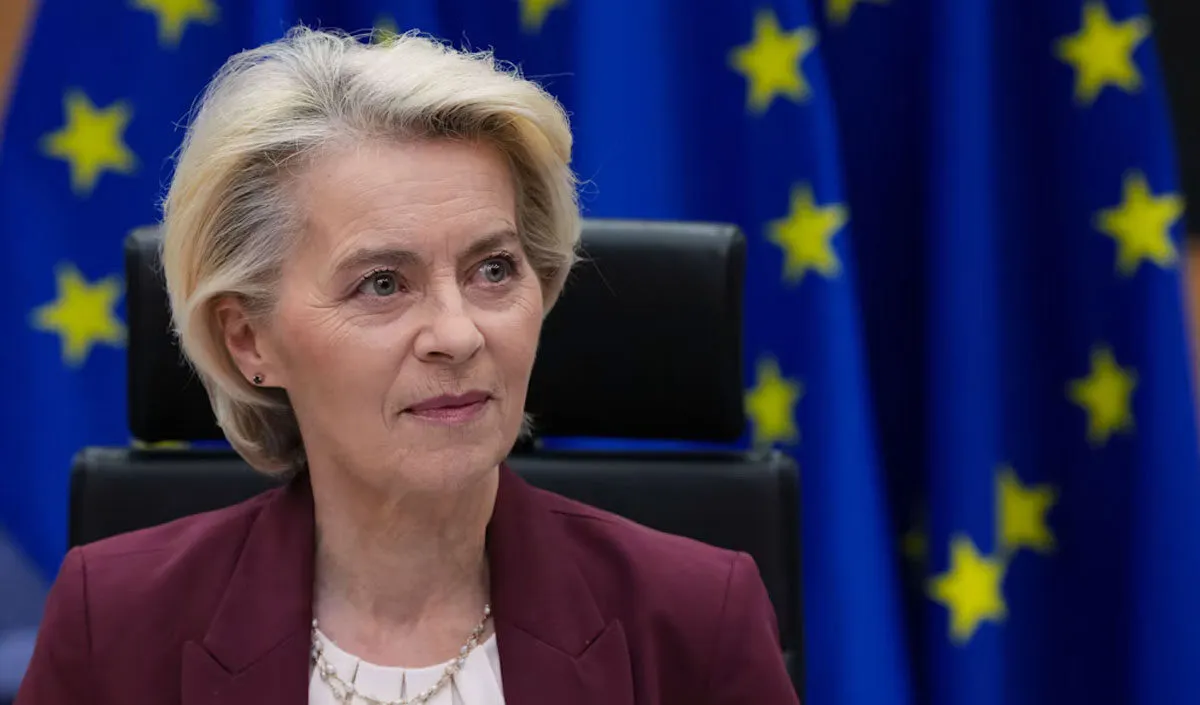
The European Union’s additional expenditure on fossil fuel imports following the blockade of the Strait of Hormuz has reached €127 billion, said European Commission President Ursula von der Leyen.
The Government of the Republic of Moldova is continuing discussions with several countries to identify potential external sources of funding for energy compensation, but the authorities must be prepared to cover these costs from the state budget.
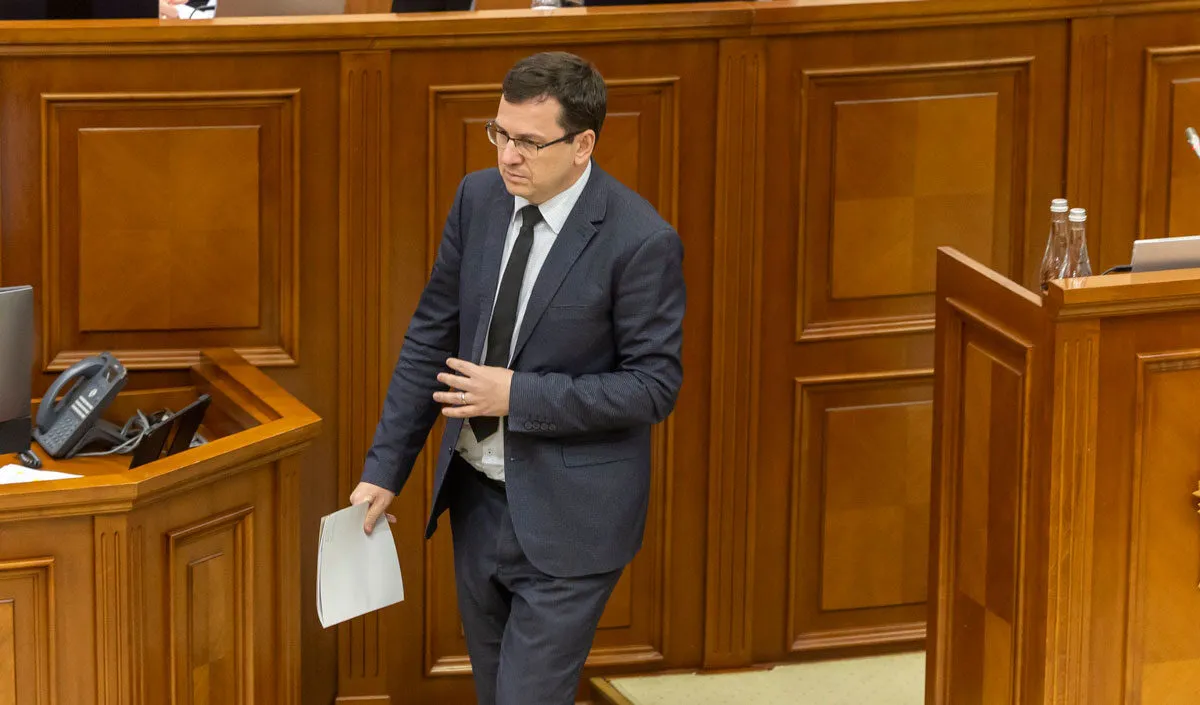
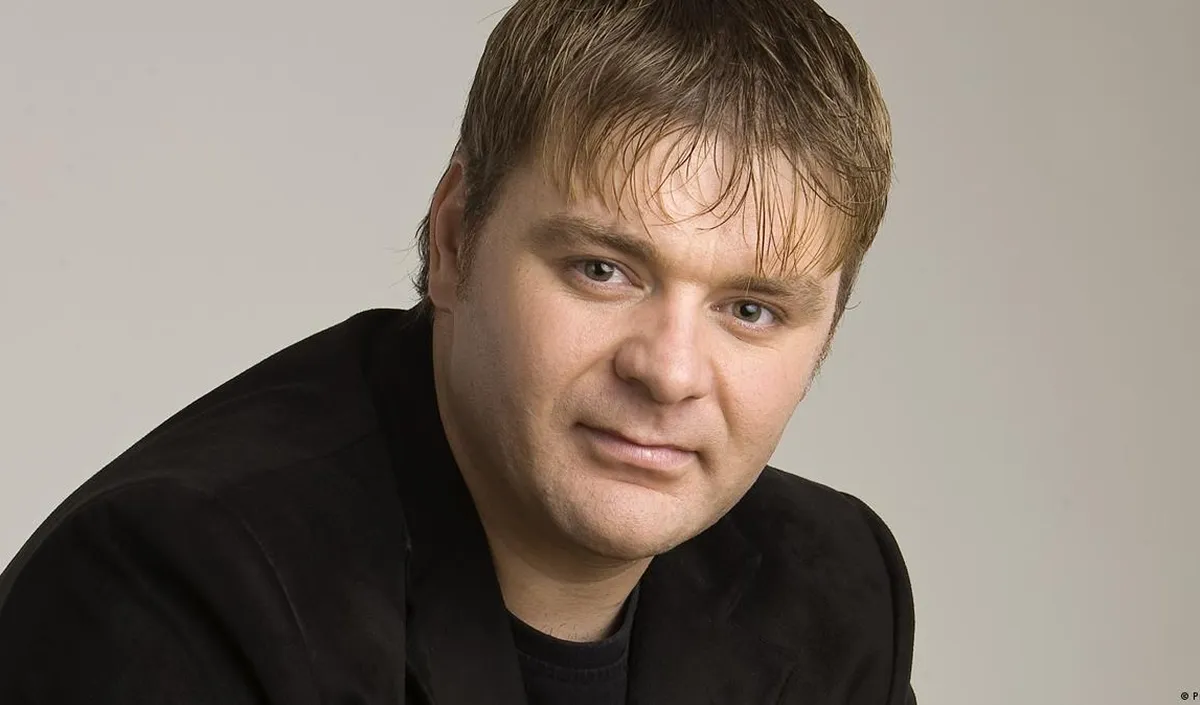
Columnist Vitalie Călugăreanu, writing for Deutsche Welle, has attempted to answer the question of what will happen for Moldova and Ukraine following a Democratic victory in the US elections.
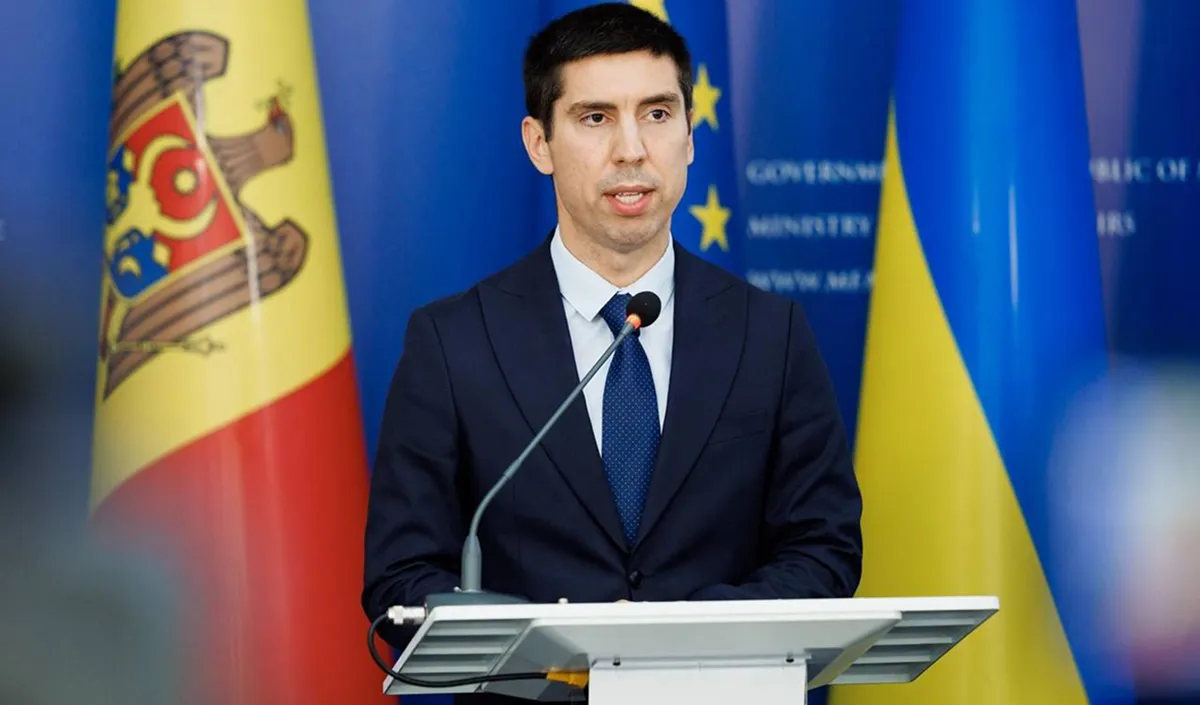
Strengthening cooperation in the field of security and defence, with a focus on combating hybrid threats, cyber-attacks and disinformation, as well as the protection of critical infrastructure and national airspace, were at the centre of discussions between Deputy Prime Minister and Minister for Foreign Affairs Mihai Popșoi and Olof Skog, Deputy Secretary-General for Political Affairs and Political Director of the European External Action Service (EEAS).
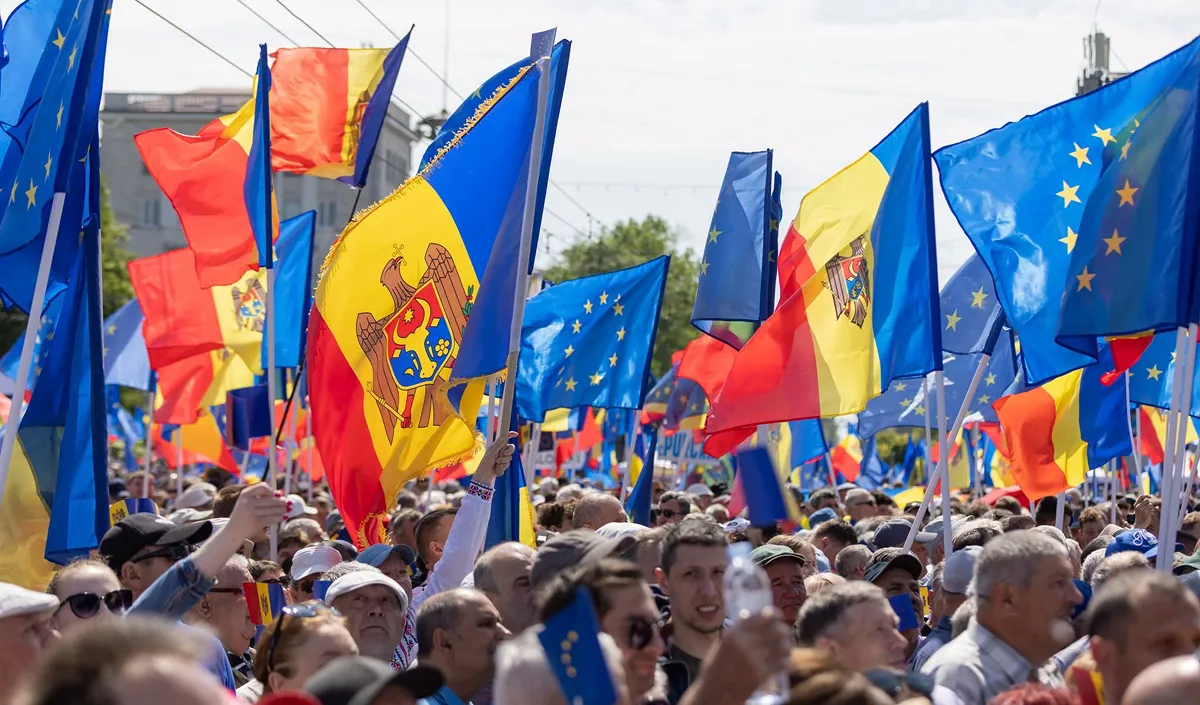
President Maia Sandu, Prime Minister Vasile Tofan and Speaker of Parliament Igor Grosu have reacted to the European Commission’s publication of the Annual Enlargement Package, welcoming the Republic of Moldova’s progress towards EU accession and noting that the objective of concluding negotiations by early 2028 is achievable.
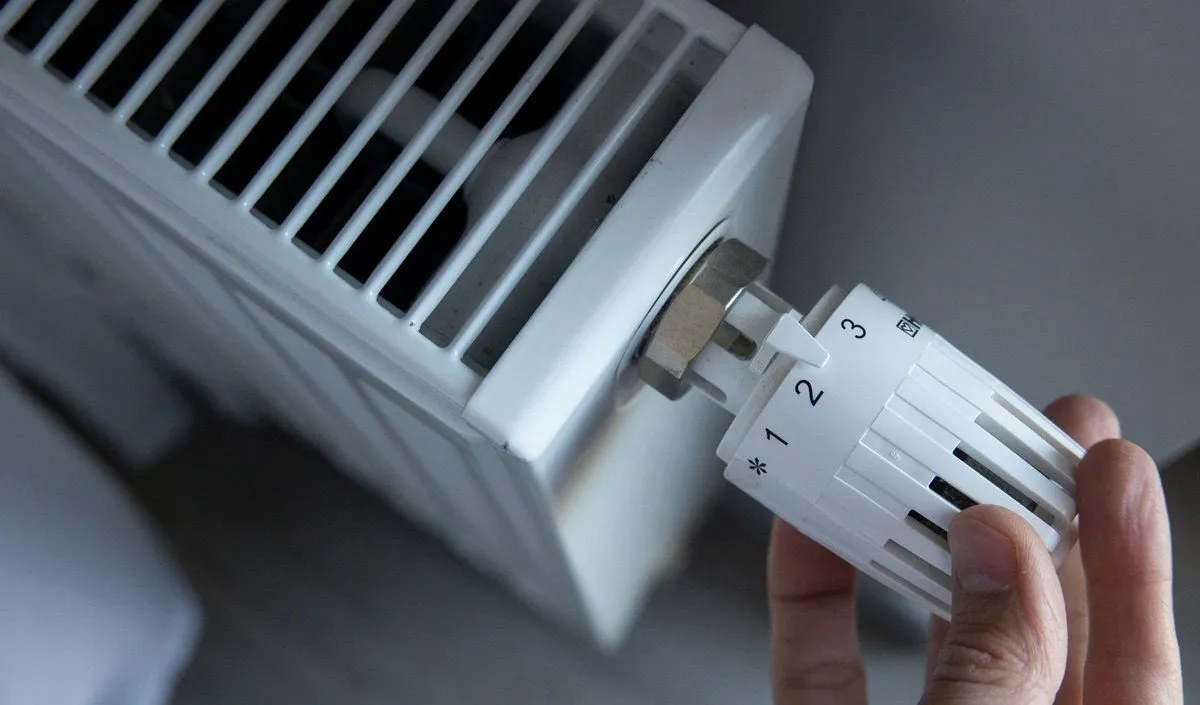
Around 50 million people in the European Union cannot afford to keep their homes at a comfortable temperature. A new surge in energy prices has forced ministers to sit down at the negotiating table and discuss ways of reducing household costs.
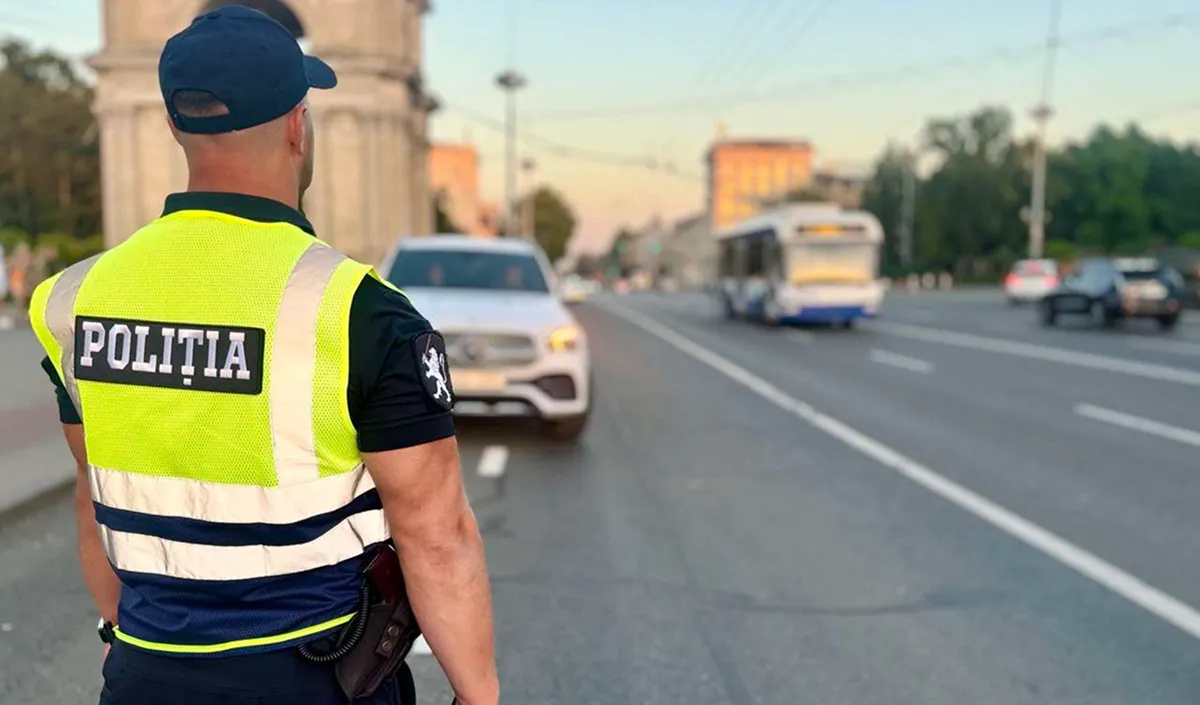
For the first time, police officers from across Moldova will be able to independently submit applications to participate in European projects and secure funding for the development and modernisation of their units.