The National Agency for Food Safety (ANSA) is relaxing controls over shipments of packaged milk from Ukraine to Moldova. Only Ukrainian milk imported in bulk remains under continuous (consolidated) control.

In February this year, the Agency for Interventions and Payments in Agriculture (AIPA) authorized for payment subsidy requests amounting to MDL 158.79 million.
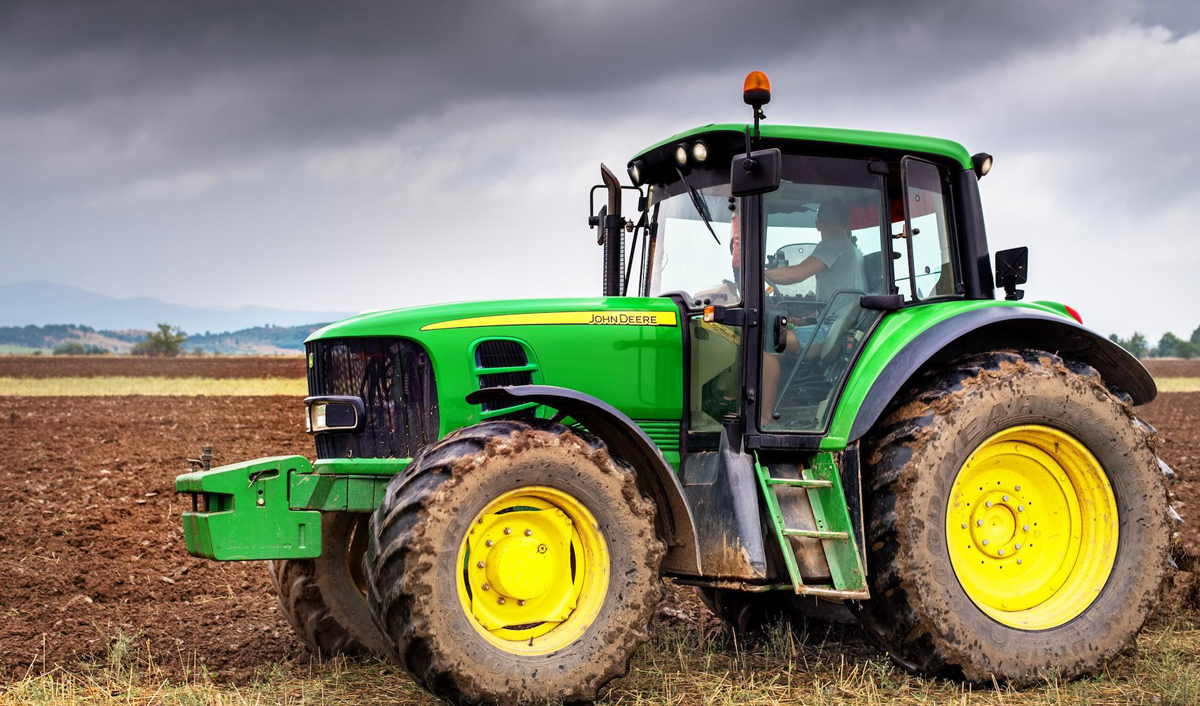
The process of preparation of the project “Modernization of agricultural machinery and post-harvest equipment” (MAME 2) was discussed by Ludmila Katlabuga, Head of the Ministry of Agriculture and Food Industry of MAIA, with the delegation of the Japan International Cooperation Agency (JICA).

UPDATED. In the context of the international crisis caused by the military conflict in the Middle East, global energy markets are under direct pressure. Under the circumstances, fuel price increases become inevitable. These developments are immediately reflected in the agricultural sector of the Republic of Moldova, where diesel fuel is one of the main items of production costs on the eve of spring field work.

Meat market operators link the recovery of production in the Moldovan pork sector to the allocation of state compensation to pork enterprises for the fact of liquidation of pigs on the two largest pig farms in the country last year.

The Cabinet of Ministers of Ukraine is preparing a draft decree on introducing a licensing regime for imports of grapes, wine and alcohol from Moldova. This decision protects Ukraine’s economic interests and is a response to the Moldovan side’s restriction of exports of Ukrainian poultry meat, by-products and products containing poultry meat.

From March 2 of this year, Moldovan farmers can apply for participation in the next (fifth) grant competition within the AGGRI project. At this stage, along with livestock farmers, producers from certain segments of fruit production, as well as processors of raw materials, are invited to participate in the competition.

Export of honey from Ukraine in 2025 compared to the figure for 2024 (about 86 thousand tons) decreased by 41.4% – to 50.3 thousand tons. In financial terms, the export of this product from Ukraine in 2025 decreased by 24.9% to $125.4 mln.

In the short term, the growth of exchange quotations for wheat will continue. Grain prices are always tightly linked to oil prices and the US dollar exchange rate. Attacks on Iran have already been converted by rising oil prices and strengthening of the dollar. In this nexus, a rise in the prices of fast traded agri-food commodities is inevitable.

As a result of the war between Russia and Ukraine, more than 600,000 hectares of land owned by agri-food companies from the TOP-100 ranking are in territories controlled by the Russian army. In general, the land bank of companies from the TOP-100 is about 5.3 million hectares: this is a quarter of all sown areas of Ukraine, which are estimated at 23 million hectares. Ukrlandfarming, Agroton and HarvEast suffered the biggest losses.