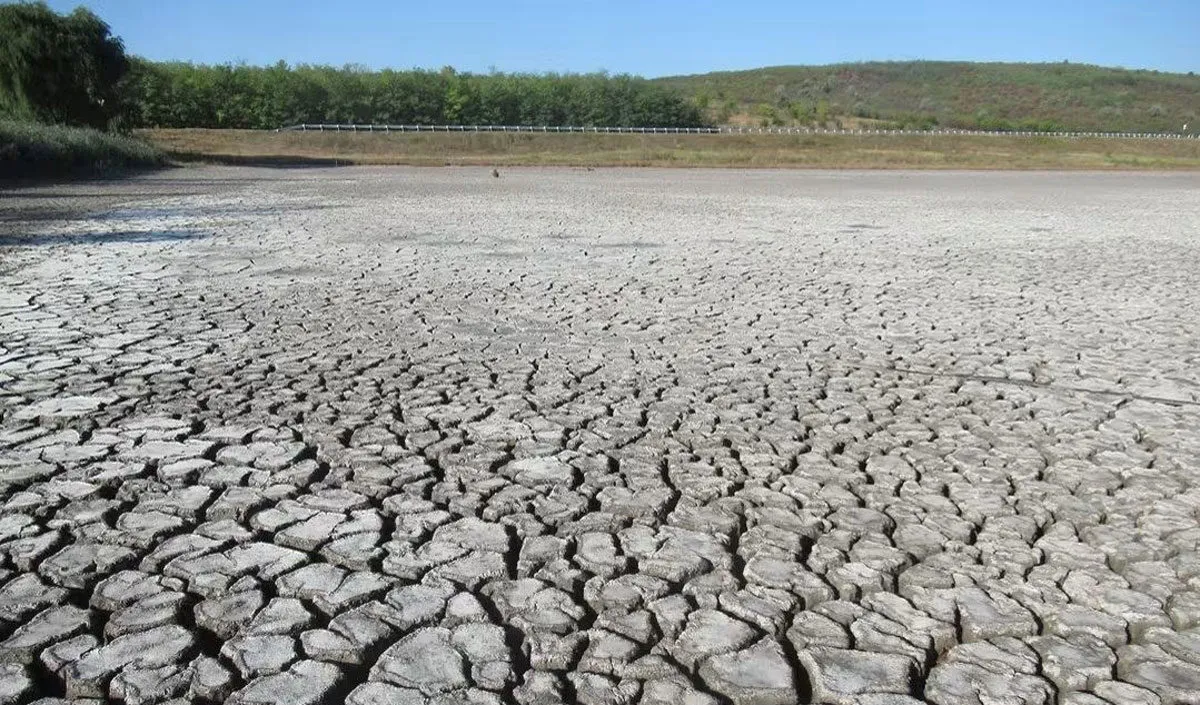
As a result, the water level in the reservoir has fallen below 111.6 metres above sea level, and it continues to fall at a rate of 5 cm per day. Ilya Trombitsky reported this on his Eco-TIRAS Facebook page.
At the same time, the discharge of water from the Dniester Reservoir currently stands at 60 cubic metres per second, as agreed by the Moldovan-Ukrainian Commission on the Dniester. The commission’s next meeting is tentatively scheduled for Friday, 11 September.
In a comment to Logos Press, Ilya Trombitsky noted that the commission’s decision regarding the future regime for water release from the reservoir could be extremely strict. The source cited did not rule out the possibility that the Ukrainian side would enter negotiations with an initial proposal to reduce the water release from the reservoir to a level equal to the volume of water flowing into it.
According to weather forecasts, rainfall of up to 30 mm is expected in the Carpathians by the end of this week. However, this may not have a significant impact on the flow of water from the Carpathians into the Dniester Reservoir. The problem, as Ilya Trombitsky put it, is that ‘the Carpathian region is like a giant natural sponge which is currently almost dry; it can absorb moisture completely, that is, without any significant flow into the rivers’.
Follow our updates
Have information for the newsroom? Share it with Logos-Press