A cochlear implant for 440 thousand lei was the most expensive case of treatment in 2025. Overall, more than 8.5 billion lei were allocated for inpatient medical care in the country. This is more than half of the funds accumulated in the compulsory health insurance funds during the year.

The National Health Insurance Company (CNAM) has transferred more than LE 1 billion 30 million in advance to health service providers for services to be rendered to the population in April.

Young people who experience social anxiety are more likely to be drawn into excessive use of social networks – this is the conclusion reached by psychologists from the Chinese University of Hong Kong. The study showed that it’s not just the habit of “flipping through the feed,” but a deeper psychological mechanism.

Moldova is implementing new procedures for the registration of medicines and changing the approach to placing them on the market. The Government adopted a regulation on the procedure for authorization and placing on the market medicinal products for human use.

More than 20 hours a week on the computer? You should see a doctor! Since April, a new regulation on medical examinations for employees exposed to occupational risks has been in force.

The Internet has long been a part of everyday life, and its impact on the brain is increasingly controversial. On the one hand, excessive screen time, especially for young people, can have a negative impact on cognitive function. On the other hand, research shows that judicious use of digital technologies can support brain health, especially in adulthood.

Acts on accidents at work with temporary loss of working capacity, which are completed by the employer and the State Labor Inspectorate, will be combined into one form.

In 2025, the system of specialized outpatient care recorded over six million visits to specialists. The most frequent appointments were to obstetricians-gynecologists, orthopedists-traumatologists, neurologists, ophthalmologists and surgeons.

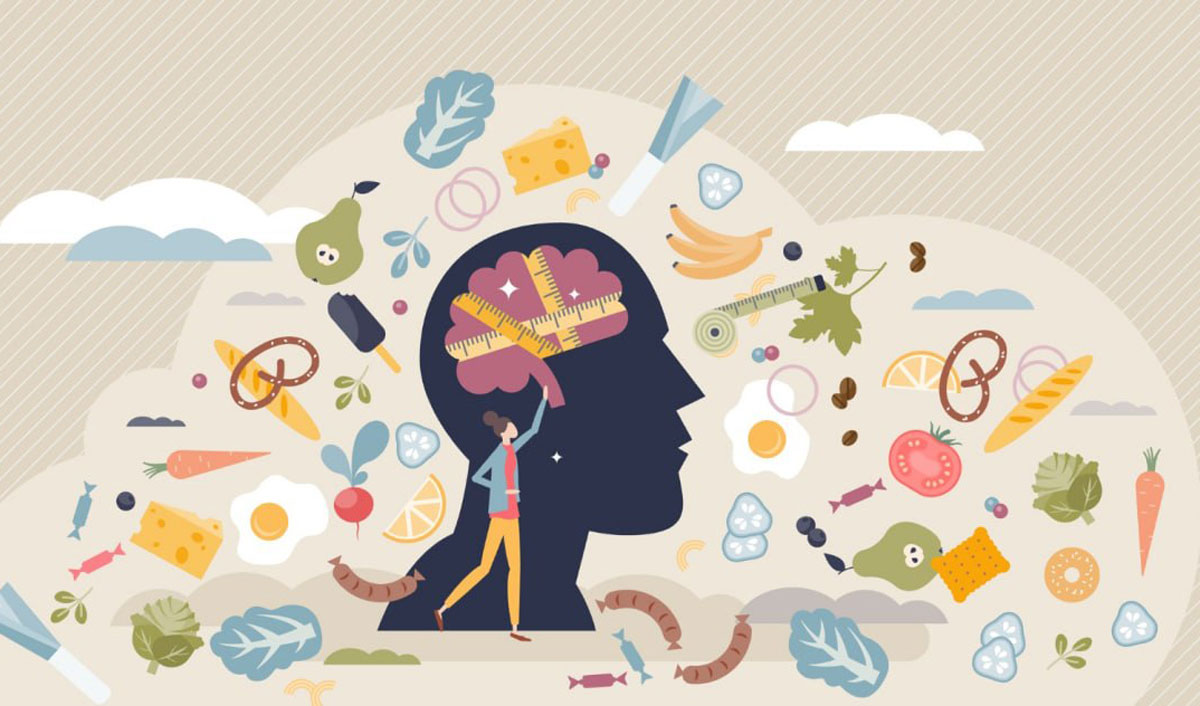
The desire for a “perfectly correct” diet – orthorexia (the word is derived from ortho and rexia, which can literally be translated from Greek as “the right appetite”) – is increasingly becoming a subject of discussion among specialists, although this condition is still not officially recognized as a separate disease. The term was proposed by physician Steven Bratman back in 1997, when he drew attention to a paradox: the desire to eat healthy can turn into an obsession and start to harm a person.
There are more than 165 thousand people with disabilities in Moldova, which is about the same as one Gagauzia or half of Transnistria. And the main problem for them is not the meager payments (although this is also a significant factor), but the basic accessibility. Transportation, infrastructure, education are still inaccessible for a significant part of these people.