Moldovan scientists have made important advances in nanotechnology. According to Ion Tighineanu, president of the Moldovan Academy of Sciences, nanotechnology is now used literally everywhere – from smartphones to anti-aging cosmetic creams. But they are especially important for health care.

Helsinki is significantly reducing the number of meat dishes in schools and kindergartens. The City Council has decided to halve the use of meat and dairy products in the capital’s food services by 2030.

Another batch of low-quality imported cookies was seized by inspectors of the National Agency for Food Safety (ANSA) before they were sold to retailers. The reason is “the content of trans fats is higher than the permissible norm”, Logos Press reports.

The Ministry of Health and the e-Governance Agency have developed the concept of the information system “Portal of certificates of temporary incapacity for work” and draft regulations on its use, Logos Press reported.

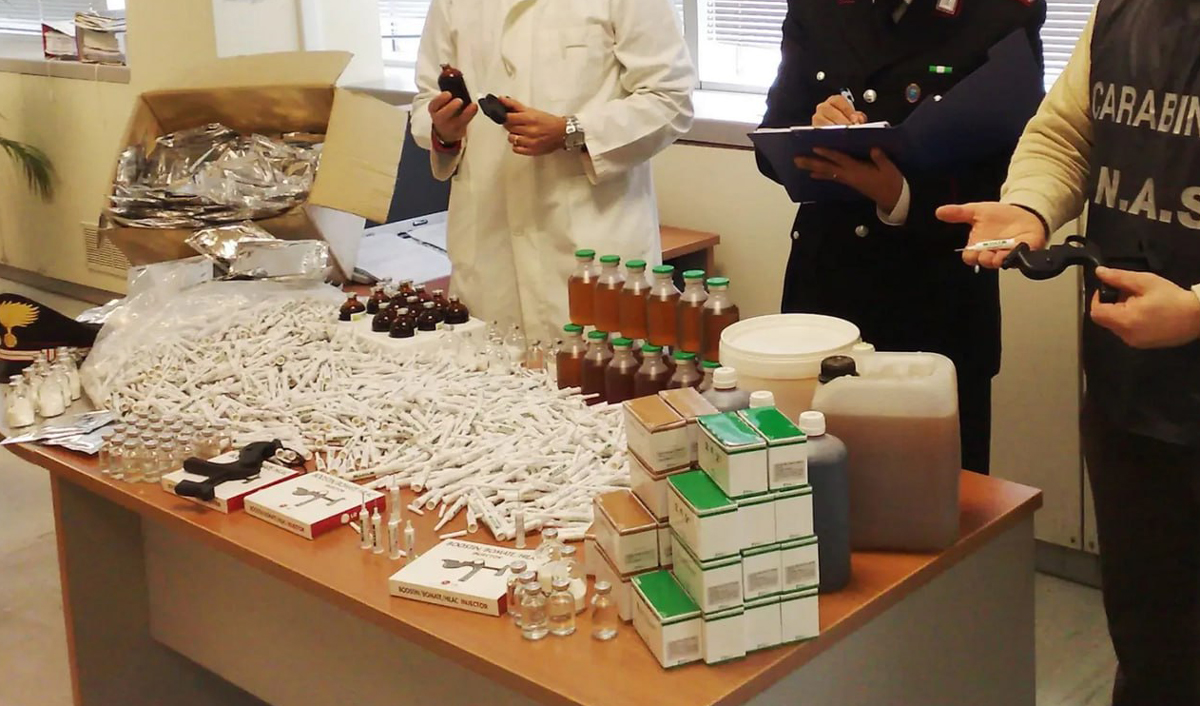
Between April and November 2025, law enforcement, judicial, customs, medical and anti-doping authorities from 30 countries, including Moldova, have joined forces in Operation SHIELD VI, coordinated by the European agency Europol, Logos Press reports.
New outbreaks of African swine fever and rabies have been confirmed in the country, Logos Press reports.

Last year Moldova imported 266.32 million euros worth of medicines, exceeding the figures for 2024 (+17 million euros) and increasing the share of imports on the domestic market from 91.6% to 92.9%/ Its own production is estimated at a modest 20.37 million euros, the share of which correspondingly decreased to 7%, Logos Press reported.

U.S. President Donald Trump signed an executive order to mobilize provisions of the Defense Production Act to protect domestic production of elemental phosphorus and glyphosate-based herbicides, Logos Press reported.

Excessive noise remains one of the most pressing environmental problems in Europe, affecting about 112 million people – that is, about one in five of the continent’s inhabitants, Logos Press reported.

Scientists are actively discussing the reasons for the deterioration of vision of a significant number of people and conclude that the spread of myopia is not due to an increase in screen time, but to a significant decrease in natural light, reports Logos Press.