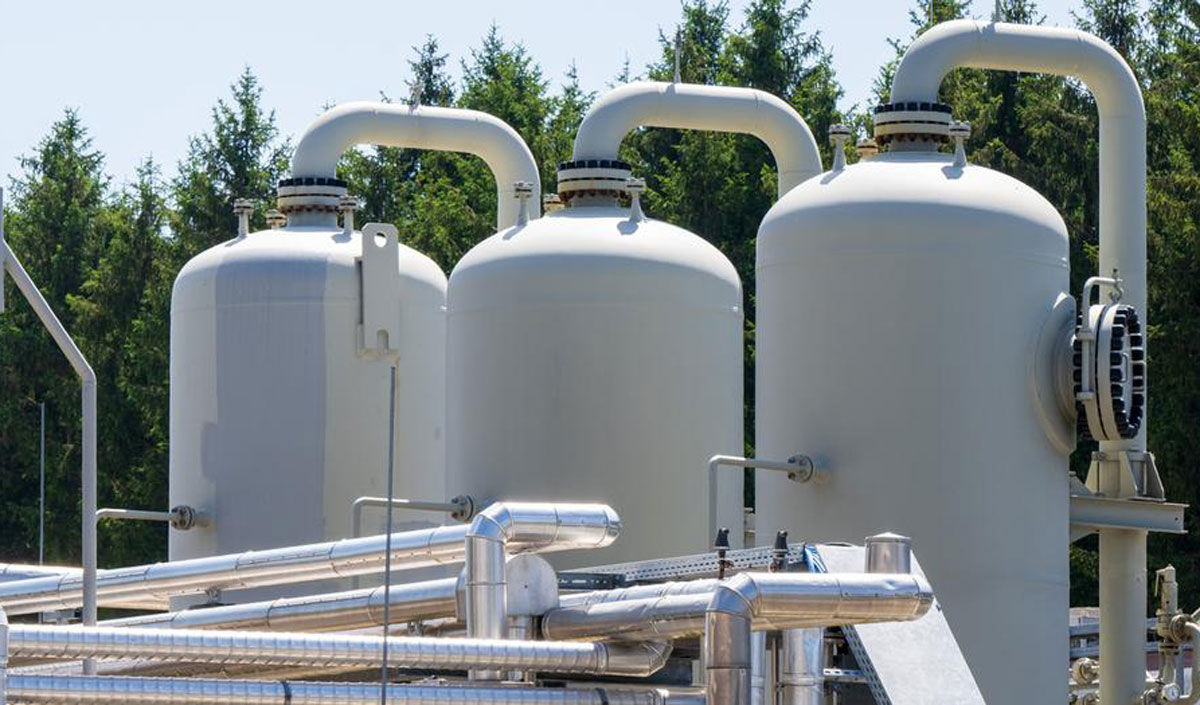
In Novy Urengoy, Algoritm has started construction of a mining hub based on gas-fired generation. The cluster will have a total capacity of 440 MW. Financing of the project is estimated at 50 billion rubles, and it will become the largest infrastructure facility in the field of industrial mining in Russia and the CIS.

U.S. President Donald Trump said Monday that the United States and Iran have been in “very good and productive talks” since late last week to end hostilities, and he therefore ordered a suspension of strikes on Iranian energy. Iran, represented by the Foreign Ministry and parliament speaker, has officially said it is not holding any talks with the Americans. At the same time, an Iranian foreign policy official anonymously confirmed to CBS the receipt of “U.S. proposals.”

The World Meteorological Organization (WMO) has released a report that may be more important than any financial summary: the planet is experiencing a record energy imbalance, with heat accumulation unprecedented in the history of measurements.

The governments of Moldova and the German state of Baden-Württemberg will set up an intergovernmental mixed commission to expand cooperation in economy, agriculture, energy and other fields.

In February 2026, Moldova’s energy sector recorded a sustained deflationary dynamic: producer prices decreased by more than 5% with respect to all key comparison periods (January 2026, December and February 2025).

Ships that are not linked to “Iran’s enemies” can pass through the Strait of Hormuz with the agreement of security measures with Tehran. This was stated by the representative of the Islamic Republic to the International Maritime Organization Ali Mousavi, Reuters reports.

The Euro showed surprising stability last week, contrary to the broader change in sentiment over the energy crisis and was the target of a sell-off within a basket of G10 currencies.

The US authorities temporarily allowed the purchase of Iranian oil loaded on tankers earlier than March 20. The relaxation of sanctions will last 30 days. It will allow about 140 million barrels to be brought to the market. The goal is to bring prices down below $100 per barrel.
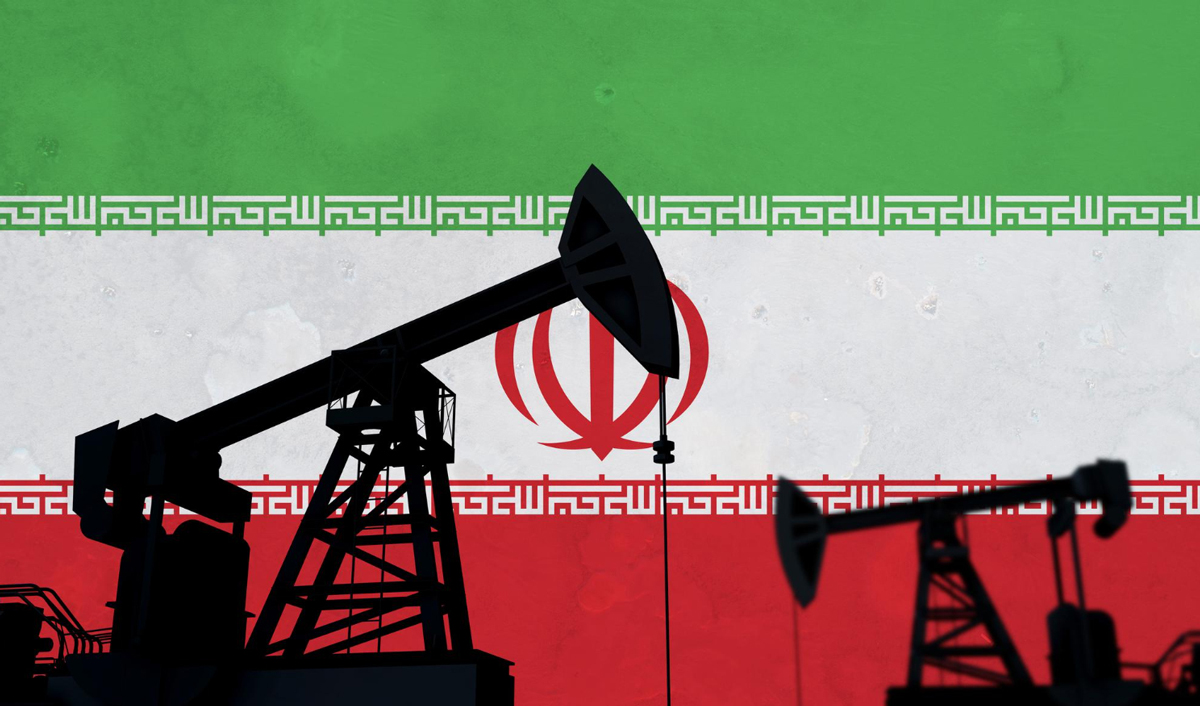
“The supply shocks underscore the risk that oil prices could stay above $100 longer in risky scenarios with longer disruptions and greater sustained supply losses,” Goldman Sachs analysts said.

Brussels has urged EU states to lower their gas storage fill targets and begin gradual replenishment of reserves amid a surge in energy prices due to the war in the Middle East.