Major indexes went up on Monday amid a drop in oil prices from highs, the passage of two tankers through the Strait of Hormuz for the first time since the war began and Trump’s announcement that the U.S. is negotiating with Iran.

Exchanges are rapidly moving towards blockchain-based equity trading and 24/7 operations. However, institutional investors are wary of liquidity and funding risks.

Rising oil prices due to the war in Iran will hit bitcoin miners not so much by raising the price of electricity, but by the volatility of the cryptocurrency itself.

The authorities of Kazakhstan intend to accelerate the development of the national crypto industry, combining the creation of a regulated environment for digital assets with public investment in the sector. The plans to form a market development strategy were announced by the country’s President Kasym-Jomart Tokayev, and the leadership of the financial block is already discussing the investment of hundreds of millions of dollars in the crypto-economy.

The war in Iran has shaken the global oil and gas markets. At first glance, the cryptocurrency market was less noticeably affected. But analysts warn: the risks of investing in crypto-assets have increased significantly. And they can manifest themselves in an unexpected way at any moment.

In February, the U.S. consumer price index remained unchanged – at 2.4%. Because of this, the price of the first cryptocurrency yesterday jumped by 2.3% to $71,000.

Many traders expect bitcoin to recover to the $80,000 level between June and September, Derive said.
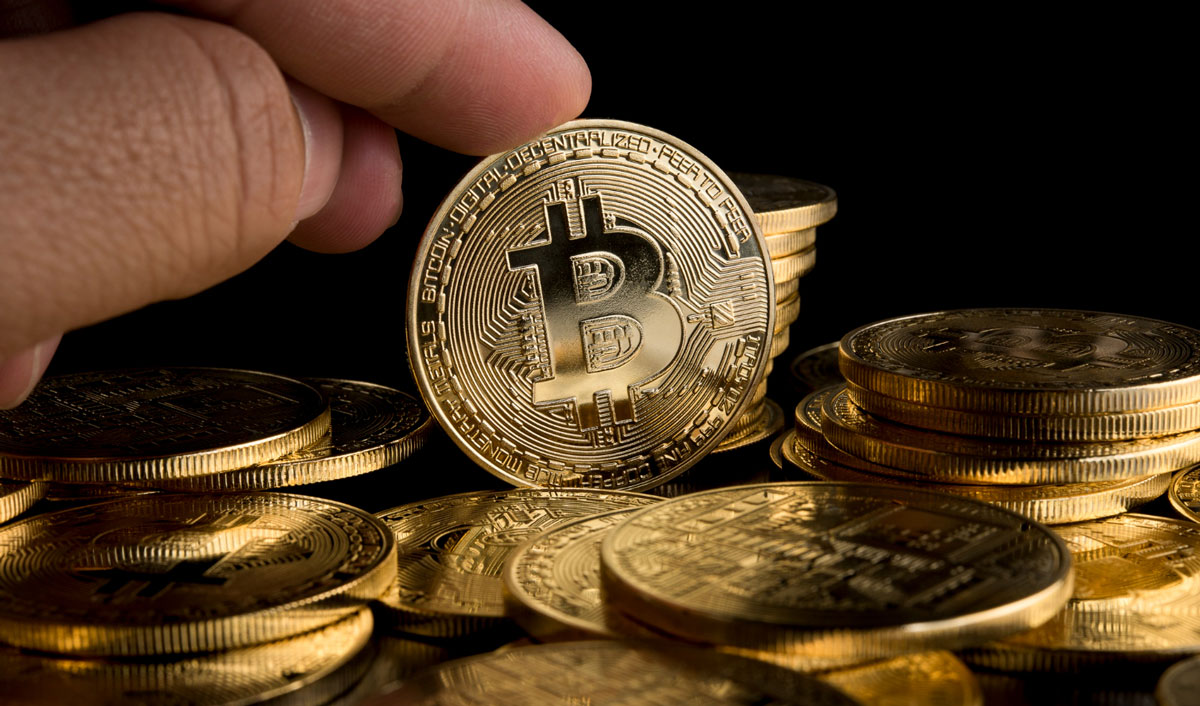
On March 10, the price of the first cryptocurrency rose above $70,000. The asset recovered from the weekend drop.

Nvidia-backed company Starcloud plans to launch a satellite with ASIC miners on board by the end of the year. This was announced by the CEO of the firm Philip Johnston.

Bitcoin could fall another 30% as the four-year cycle intensifies, an investment firm says.