

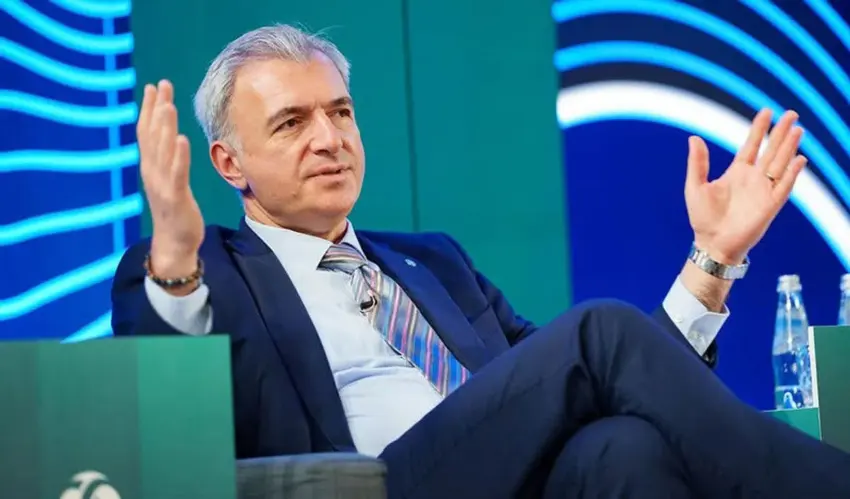
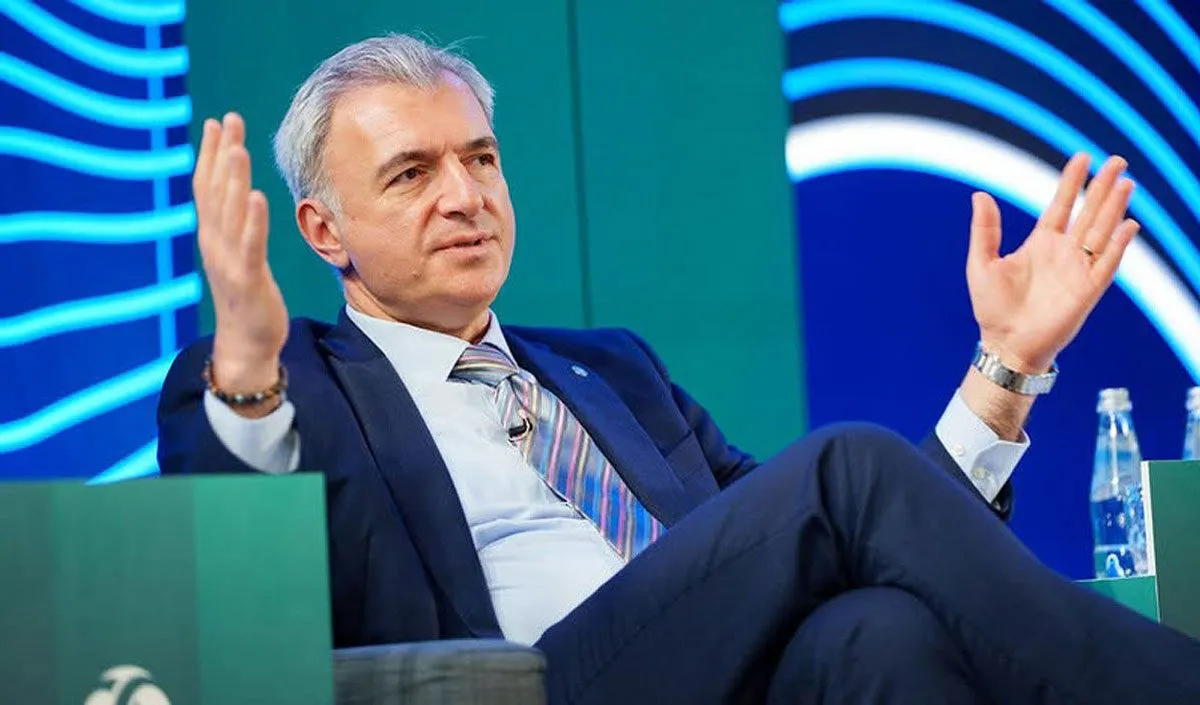
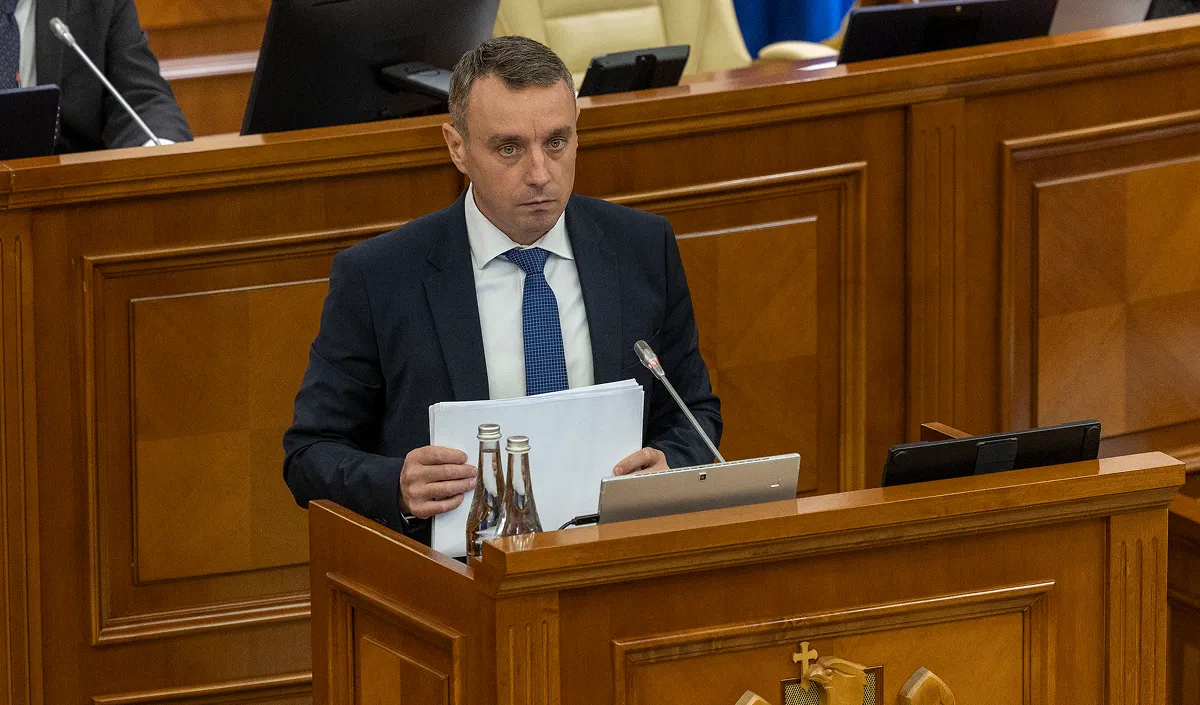
Eugen Osmochescu
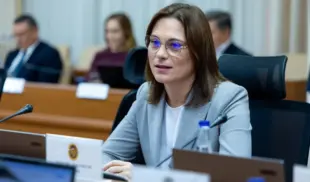
Earlier that same day, MAIA Minister Eugen Osmochescu briefed journalists on how the licensing regime for agricultural imports had worked so far. To date, only three licences have been issued for the import of 100 tonnes of wheat (spelt), 22 tonnes of maize (for popcorn) and 4,000 tonnes of sunflower seeds.
The list of supplier countries includes (among others) Ukraine, the Czech Republic and Poland. Furthermore, according to the minister, an analysis of data for the first half of the year did not confirm the assumption that imported agricultural products are systematically cheaper than similar Moldovan products. At the same time, the analysis also ‘did not reveal any proven negative impact of the licensing system on processors’.
Representatives of the Agrocereale association confirm this conclusion, whilst noting that, to date, processors have addressed the issue of raw material supply through tolling of sunflower seeds sourced from local traders, as well as through raw materials imported from abroad into the free economic zone in the south of the country. The latter case is not subject to the import licensing regime.
Nevertheless, many market operators recognise that the significant price difference (over $100/t) between Moldovan and Ukrainian sunflower seeds in the final quarter of 2026 could provide sufficient incentive for large-scale imports of cheap raw materials from Ukraine to Moldovan processing plants.
It was precisely this circumstance that prompted the Ministry of Agriculture to support the majority view of the Agrocereale association and the unanimous position of the Forța Fermierilor association regarding the extension of the import licensing regime for certain types of agricultural produce until the end of 2026.
A safe decision in every sense
According to reliable sources at Logos Press, as recently as yesterday evening the Cabinet was leaning towards issuing a negative opinion on the draft law extending import licensing. The situation was turned around by a telephone conversation between government and parliamentary leaders. One can only speculate as to its content.
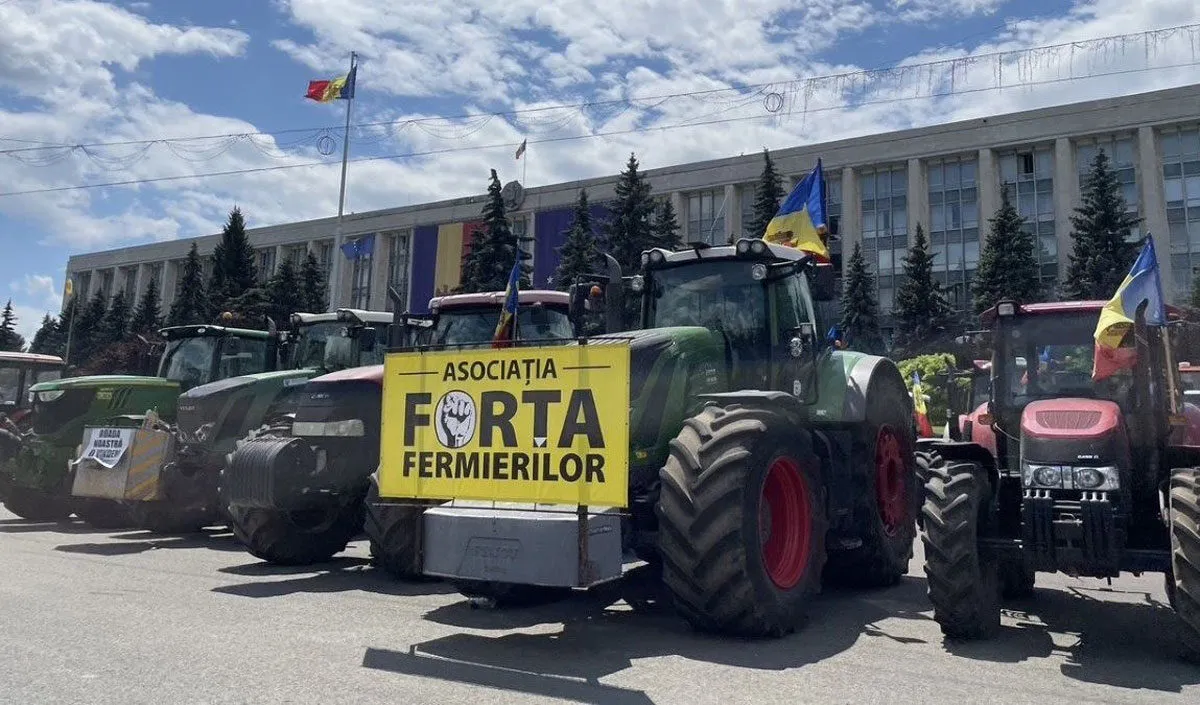
It is likely that the farmers’ serious intentions to stage protests – announced and supported by Forța Fermierilor – played a significant role in ‘raising the stakes’ for a positive decision on the matter under consideration. A concession on this – essentially a secondary – issue leaves the Moldovan authorities free to stand firm and maintain their previous position on key issues, such as VAT reform, excise duty on diesel fuel, the taxation of farms, and so on.
It should also be borne in mind that the issue of extending the licensing regime for agricultural imports is now taking on a regional dimension. Farmers in southern Moldova, though burdened by debt, enjoy a sort of ‘bonus’ in the form of their geographical proximity to the port of Giurgiulești (which offers the opportunity to reduce transport distances and secure higher purchase prices), and have already sold the bulk of their agricultural produce. It is mainly large agricultural producers in northern Moldova, who have significant stocks of produce in grain silos, who remain interested in the extension of import licensing. There is no point in the current Moldovan authorities conceding any further ‘ground’ to the opposition in its relations with the northern electorate.
However, if, following the legislative process, the licensing regime is ultimately extended only until the end of 2026, the ‘short leash’ effect will persist. This is because the Forța Fermierilor association, acting in the interests of its ‘northern members and supporters’, had requested an extension of the licensing scheme until 31 May 2027. This is logical, given that the second seasonal peak in sunflower and grain sales usually falls at the end of winter and in spring.
Postscriptum
During a cabinet meeting, Prime Minister Vasile Tofan stated that the authorities had decided to support farmers calling for the retention of import restrictions, although he acknowledged that extending the licensing system could have consequences for other sectors of the country’s economy. He also expressed dissatisfaction with the stance of the Forța Fermierilor association, which he considers too radical in its negotiations with the authorities. He called for dialogue and urged the organisation’s representatives to take into account the interests of other categories of producers as well.
‘This is unacceptable, as there are other important interests in this country. These are the interests of livestock farmers, millers, bakers and processors. So, that is the situation. Nevertheless, we are taking this difficult decision, a decision that is a fine line. We are extending the licences for a further two months, but I would strongly urge representatives of the ‘Forța Fermierilor’ Association to understand that there are consequences here which go beyond the interests of their members. We respect them, value them and recognise that farmers’ work is hard. But there are also wider implications.”
This story was translated with the assistance of artificial intelligence.The translation was also reviewed by the Logos Press editorial team.
Follow our updates
Have information for the newsroom? Share it with Logos-Press













Comments
0No comments yet. You can start the conversation.
Comments are open to readers with a Logos Press account.
Sign in to comment