

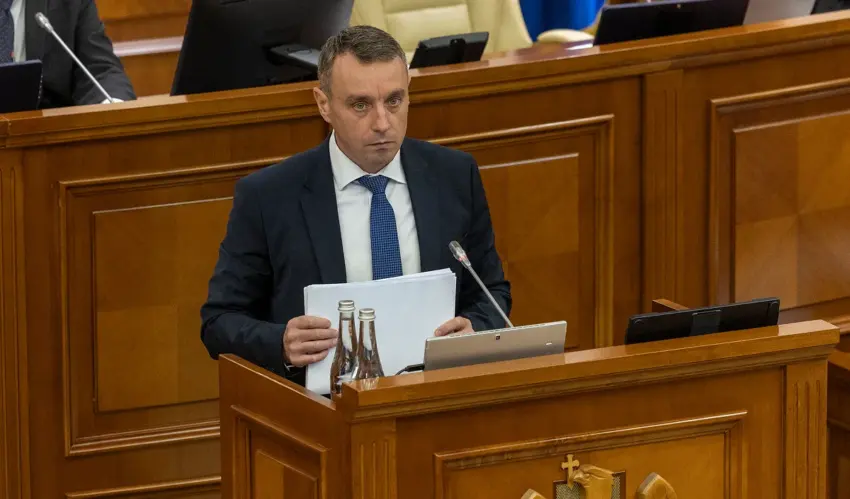
Igor Chiriac
The draft provides for a clear demarcation of the powers of the Prosecutor General and the chief prosecutors of the specialised prosecution offices, as well as introducing the possibility of challenging certain instructions and orders of the Prosecutor General in court. It is also proposed to limit the Minister of Justice’s involvement in the Higher Council of Prosecutors’ consideration of disciplinary matters, as well as matters relating to the selection and career progression of prosecutors.
The Government has highlighted the risk of delays in criminal proceedings due to the lack of clear deadlines for the submission of opinions by the chief prosecutors of specialised prosecution offices. At the same time, it drew attention to the risk of duplicating judicial proceedings and overburdening the Courts of Appeal, to which the draft bill assigns the task of examining appeals by a panel of three judges within three working days.
The Government considers it necessary to clarify the procedure and time limits for lodging appeals, the consequences of the annulment of contested decisions, and the status of procedural acts carried out prior to the delivery of the court’s judgement. As an alternative, the Government proposes examining the possibility of assigning these appeals to the investigating judge, within the framework of the existing mechanism for judicial review.
The amendments to the Law on the Public Prosecutor’s Office are also intended to clarify the circumstances in which the Minister of Justice will not be able to participate in the work of the Superior Council of Prosecutors.
The draft law is due to be considered by Parliament.
This story was translated with the assistance of artificial intelligence.
Follow our updates
Have information for the newsroom? Share it with Logos-Press
















Comments
0No comments yet. You can start the conversation.
Comments are open to readers with a Logos Press account.
Sign in to comment