


In the third quarter of 2026, the economy entered a phase of stagnation, having lost the short-term momentum gained in the spring. According to estimates by the independent analytical centre Expert-Grup, the national economy has lost the short-term growth momentum gained in the spring. Without an immediate pick-up in business activity during the autumn months, annual gross domestic product (GDP) growth for 2026 as a whole will be limited to a modest 1–2 per cent. This figure falls significantly short of the country’s real economic potential.
As reported by LOGOS PRESS, the centre’s analysts note that the current trajectory of development is teetering on a dangerous line between minimal growth and a full-blown recession. Domestic consumption remains the sole main driver sustaining macroeconomic indicators for the time being.
Warning signs from the ‘Economic Barometer’
The main evidence of an economic slowdown was a sharp fall in the leading indicators compiled by Expert-Grup analysts. The short-term forecasting tool (nowcasting) developed by the experts recorded a negative trend well before the publication of official statistics:
Decline in the indicator: In August 2026, the leading economic indicator fell to −0.17 standard deviations (σ). This marked the first time the indicator had dipped into negative territory since February of this year.
Moving average: The indicator’s three-month moving average also plummeted to a low of +0.05σ, coming very close to the recession zone.
Zero threshold: The barometer’s current reading clearly indicates that GDP growth in the third quarter has effectively stalled at around zero.
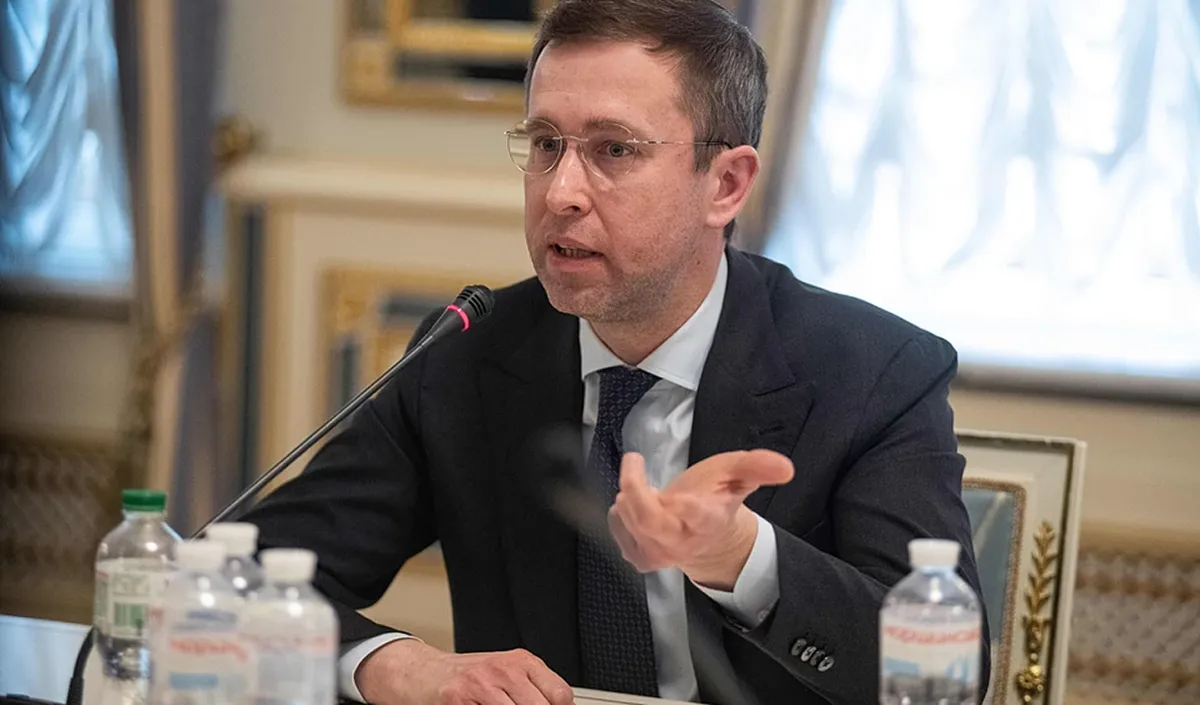
Adrian Lupușor, Executive Director of Expert-Grup: “The economy entered the second half of the year with weaker momentum than in the spring. Industry, trade and exports continue to provide some support, but the situation in the services sector and construction, coupled with the high cost of finance, is severely holding back overall growth.
Moreover, the country faces a protracted period of stagflation – when economic growth will be close to zero against a backdrop of high inflation caused by external energy and fuel crises. The state budget will be the first to suffer, as it is forced to borrow from commercial banks to cover the deficit. Due to the rising cost of borrowing, servicing the national debt will consume an ever-increasing share of the state coffers. The root of the problem lies in the national economy’s high vulnerability to external shocks, combined with a dangerously large budget deficit.”
The authorities acknowledge the negative trends
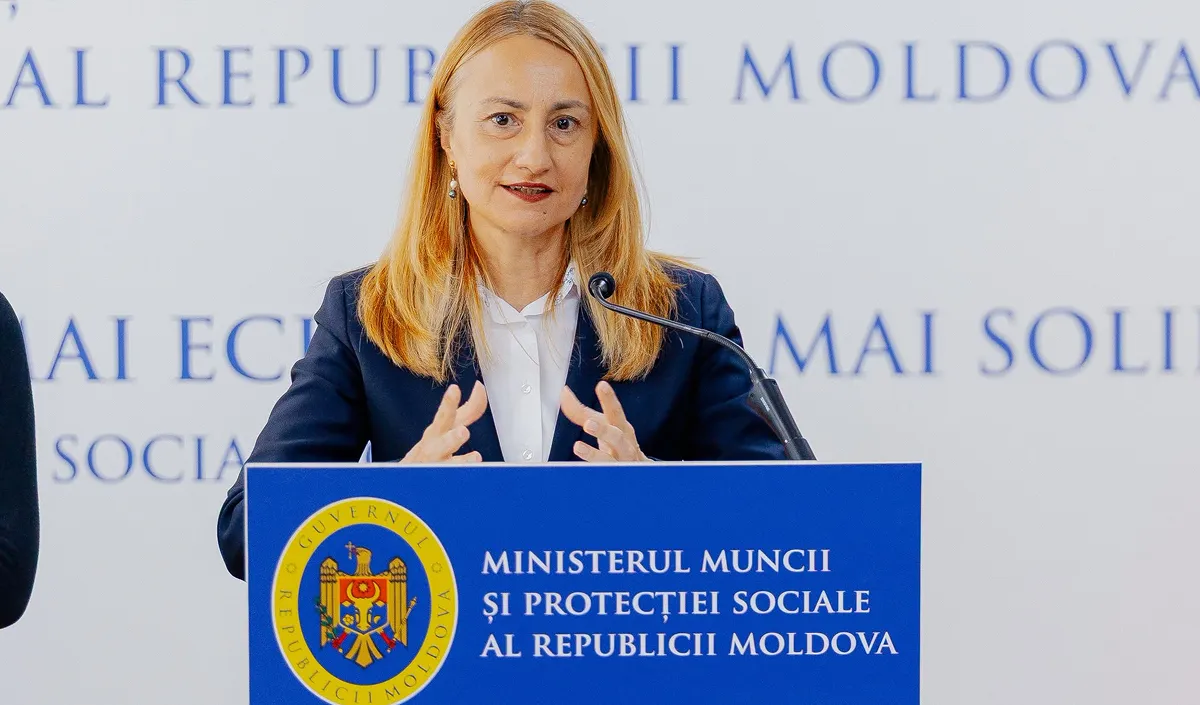
The Ministry of Economic Development and Digitalisation acknowledges the existence of negative trends and has officially revised its expectations downwards. At the ministry’s instigation, the government has cut the official GDP growth forecast for 2026 from 2.2 per cent to 1.8 per cent (total GDP is forecast at 388 billion lei). The main reasons for the downward revision are deteriorating external conditions, instability in the Middle East, rising resource prices and geopolitical uncertainty.
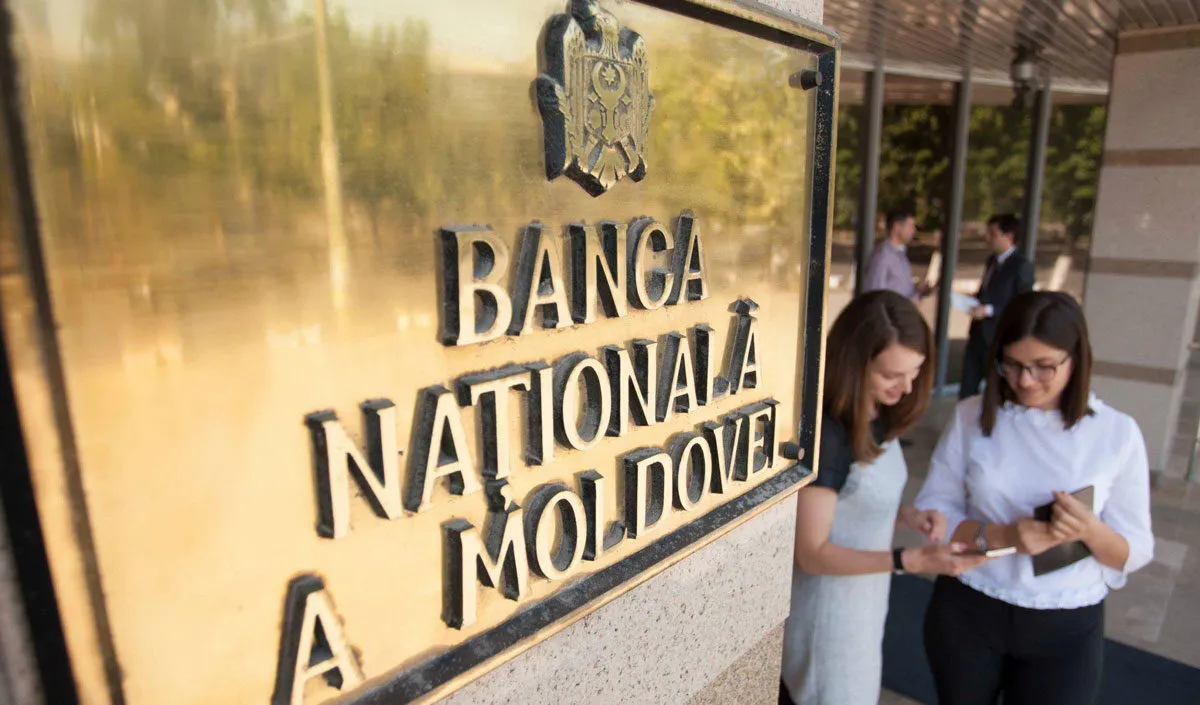
Alongside the fall in growth rates, the ministry expects average annual inflation to stand at 7.3 per cent, which could rise to 8.2 per cent by the end of 2026 (up to 9.2 per cent, according to the NBM’s forecast).
External donors share the authorities’ official pessimism. For instance, the International Monetary Fund (IMF) forecasts even more modest growth for Moldova – just 1.5 per cent for the year as a whole – whilst the World Bank expects 1.9 per cent and the EBRD maintains its estimate at 2.8 per cent, with significant downside risks.
This story was translated with the assistance of artificial intelligence.The translation was also reviewed by the Logos Press editorial team.
Follow our updates
Have information for the newsroom? Share it with Logos-Press
















Comments
0No comments yet. You can start the conversation.
Comments are open to readers with a Logos Press account.
Sign in to comment