


Marcel Bobeica
The situation is exacerbated by the fact that local elections are scheduled for next year, and this coincides with the process of implementing the administrative-territorial reform, which is changing the rules of the game for local authorities. Yet these rules have still not been presented to them, which is adding to their anxiety.
One of the tax reforms provides for a mandatory annual review of tax rates by local councils. And if a local council fails to adopt a decision on property and land tax rates in time, the minimum rates laid down in legislation will apply to them.
Maximum shortfall due to minimum rates
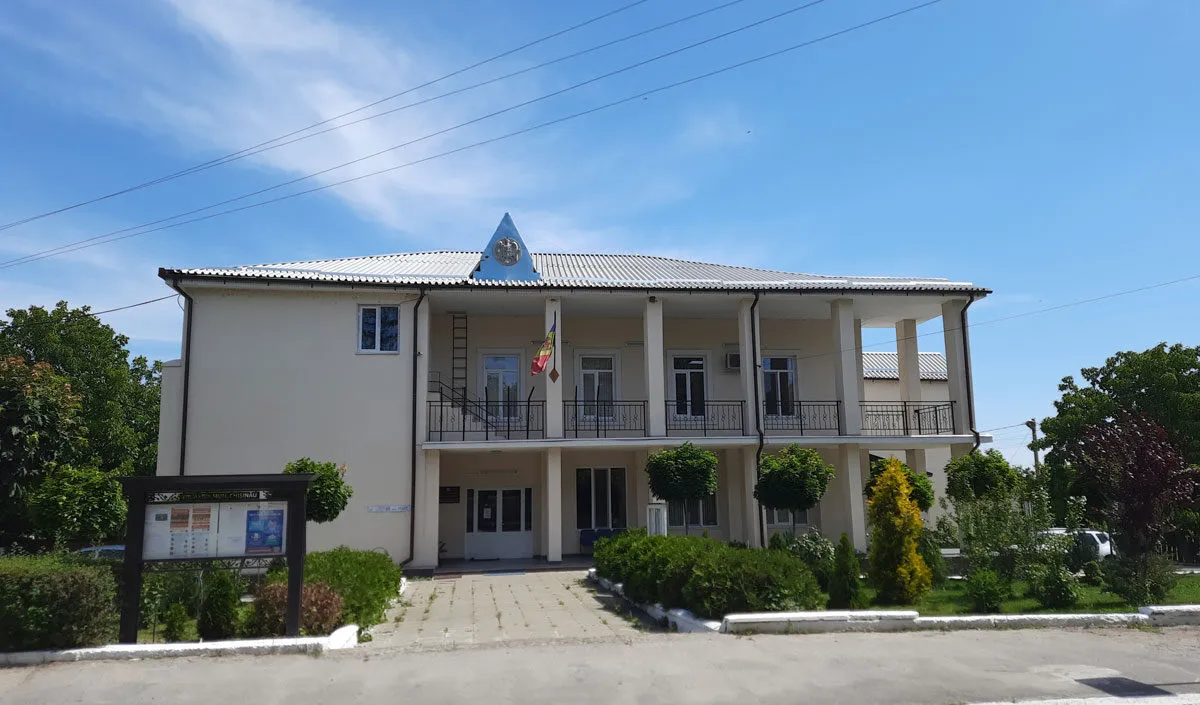
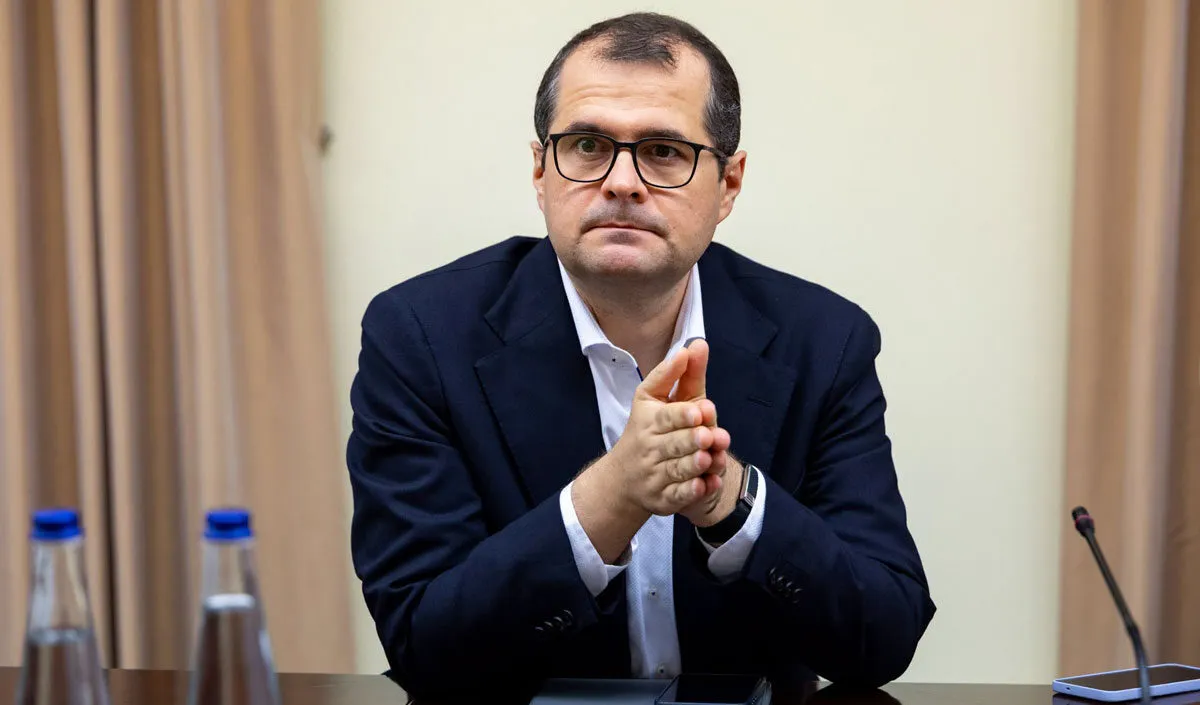
‘As a result of the valuation carried out, the value of properties in the village has risen, but many residents disagree with the results,’ says Marcel Bobeiță, mayor of the commune of Gangura in the Yaloven district. ‘Therefore, local councils are unlikely to want to take responsibility for raising the rates in such a situation, even though the law stipulates a mandatory annual review of these rates from next year. So next year, the rates for property and land tax will most likely be at the minimum level. And all the work involved in property valuation, which was originally intended to boost local authorities’ revenues, will have been in vain, and we will not even be able to count on the revenue we receive today.”
At the same time, he notes, the minimum rate for property tax has been reduced. Until now, it stood at 0.1 per cent of the property’s market value, but from next year it will be 0.05 per cent. “It follows that the rate – and therefore the revenue – will be halved if we do not decide to review it,” laments Mayor Gangura. “And property tax, like personal income tax, is one of the main sources of our own revenue.”
Income tax losses are estimated at 800 million lei
But changes to income tax are also causing concern for local authorities.
From next year, personal tax allowances for individuals will increase by 35 per cent – a move which local authorities, in principle, understand and support. However, as experts from the Congress of Local Authorities (CALM) have established, these changes will cause local councils to lose over 800 million lei next year.
“At first, we were promised that the central government would somehow reimburse these funds to make up for the losses,” continues Marcel Bobeiță. “But, unfortunately, this is no longer being mentioned, and we will have to find additional revenue ourselves to make up for them. And this will lead to a reduction in the number of development projects in villages.”
Furthermore, changes to the legislation on salaries provide for pay rises for local public officials, and this increase is also likely to be borne by the town halls.
In other words, next year, due to these legislative changes, the risk of budget shortfalls is high from the outset, according to representatives of the mayors’ association. Moreover, it is an election year, when councillors try to avoid raising taxes, which is understandable.
“We proposed an alternative option to the government regarding property tax,” says Bobeyka. “If the council was unable to approve the decision to revise the property tax rate, it should have been left at its previous level. But this option was only adopted in relation to local taxes.”
Reform and elections
Adding to all the concerns about shortfalls in local budgets are the uncertainties arising from the ongoing reform of local administrations. “We still do not know what revenue we will have at our disposal, what the new mayor’s office will be responsible for, how the process of digitising services will take place, or what services the expanded centres will provide,” lists Bobeyka.
The status of the mayor’s representative in settlements that have been incorporated into the merged mayoral offices also remains unclear. How will they be elected (or appointed), and what will they be responsible for? Complete uncertainty also persists regarding the new regional authorities. What will be the mechanism for their cooperation with the mayoral offices, and what will their powers and responsibilities be?
The issue of the promised fund, through which assistance was to be provided to local councils in the process of implementing European projects, also remains unresolved. “It’s been four years since it was first discussed, and many local councils have launched projects but lack the funds for co-financing,” notes Marcel Bobeyka. “We had hoped that the reform would help resolve all these issues, but it does not provide answers to them. And they are very important to us today. Especially given that there are only two months left until the end of the year.”
This story was translated with the assistance of artificial intelligence.The translation was also reviewed by the Logos Press editorial team.
Follow our updates
Have information for the newsroom? Share it with Logos-Press




















Comments
0No comments yet. You can start the conversation.
Comments are open to readers with a Logos Press account.
Sign in to comment