

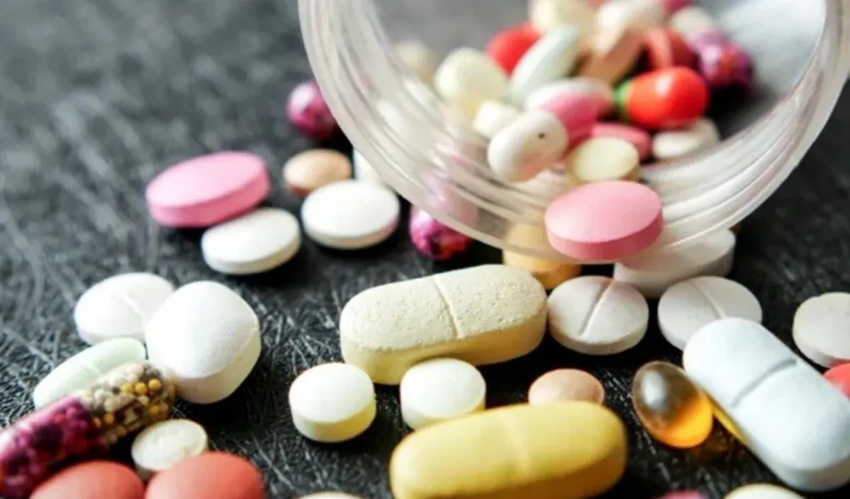
According to a market analysis carried out by the Ministry of Health in conjunction with the Agency for Medicines and Medical Devices, around 4,300 different medicinal products were sold in pharmacies in 2021. By 2025, 1,553 of these had disappeared from sale, whilst 845 new products had entered the market. As a result, the product range was reduced by 708 items.
Inexpensive medicines are disappearing faster
The most significant changes affected medicines with a manufacturer’s retail price of up to 30 lei. Over the course of five years, 281 prescription and 293 over-the-counter medicines in this category disappeared from the market. They were replaced by 84 and 71 new products, respectively.
At the same time, prices for the remaining low-cost medicines rose more sharply than the market average: by 11 per cent for prescription medicines and by 18 per cent for over-the-counter medicines.
Overall, in 2025, sales of medicines in pharmacies reached 5.4 billion lei – 25 per cent more than in 2021, with roughly the same number of packs sold.
At the same time, the price of prescription medicines rose by 2.1 per cent over the five-year period, whilst that of over-the-counter medicines rose by 12.5 per cent, despite a 9 per cent reduction in the number of packs of the latter sold. The price of essential over-the-counter medicines rose by 15 per cent.
According to the Ministry’s assessment, the reasons for the reduction in the product range include the current system for calculating trade mark-ups, under which the sale of cheap medicines generates little profit for distributors and pharmacies, as well as the need for annual re-approval of the price of each medicine. Additional factors include inflation, exchange rates and manufacturers’ commercial decisions.
What will change in price regulation
The Ministry of Health proposes to maintain price caps on essential over-the-counter medicines, reimbursable medicines and centrally procured medicines. There are also plans to abandon the current tiered model for calculating trade mark-ups, which, according to the Ministry, reduces the economic appeal of low-cost medicines.
The Ministry proposes to liberalise prices for other over-the-counter medicines gradually. Until the planned stages are completed, prices will remain regulated, whilst vital and reimbursable medicines will remain under full state control.
The reform envisages three main stages: the introduction of a new mechanism for approving manufacturers’ prices, taking into account the cost of medicines in comparable countries; the adoption of a new law on pharmacies; and the subsequent amendment of the rules governing wholesale and retail prices.
The ministry warns that sudden liberalisation in a small, import-dependent market could lead to a further rise in the cost of medicines.
The Ministry of Health expects savings of up to 375 million lei per year
According to preliminary expert estimates, once all three stages of the reform have been completed, the combined expenditure on medicines by the public, the National Health Insurance Company and hospitals could be reduced by approximately 375 million lei per year.
Of this amount, around 199 million lei is expected to be saved through new regulatory measures, with the remainder resulting from the use of prices in reference countries. The estimated impact on pharmacy sales is 159 million lei annually, on reimbursable medicines approximately 40 million lei, and on hospitals an additional 20–40 million lei.
The Ministry also hopes to halt the reduction in the range of medicines available in pharmacies and to reintroduce to the market seven active substances from the list of essential medicines for outpatient use, which had disappeared without being replaced.
“Over the past five years, more than 1,500 medicines have disappeared from pharmacies, primarily cheaper ones, whilst over-the-counter medicines have become significantly more expensive than others. ‘We are changing the rules to ensure a fair price for every medicine and the availability of every essential medicine, including in village pharmacies,’ said Health Minister Alexandru Gasnaș.
The proposed changes are currently at various stages of preparation. In particular, the draft of the new regulation on manufacturers’ prices is ready for public consultation, whilst the draft of the new law on pharmacies has undergone consultation and discussion with pharmacists and is currently at the approval stage.
This story was translated with the assistance of artificial intelligence.The translation was also reviewed by the Logos Press editorial team.
Follow our updates
Have information for the newsroom? Share it with Logos-Press
























Comments
0No comments yet. You can start the conversation.
Comments are open to readers with a Logos Press account.
Sign in to comment