


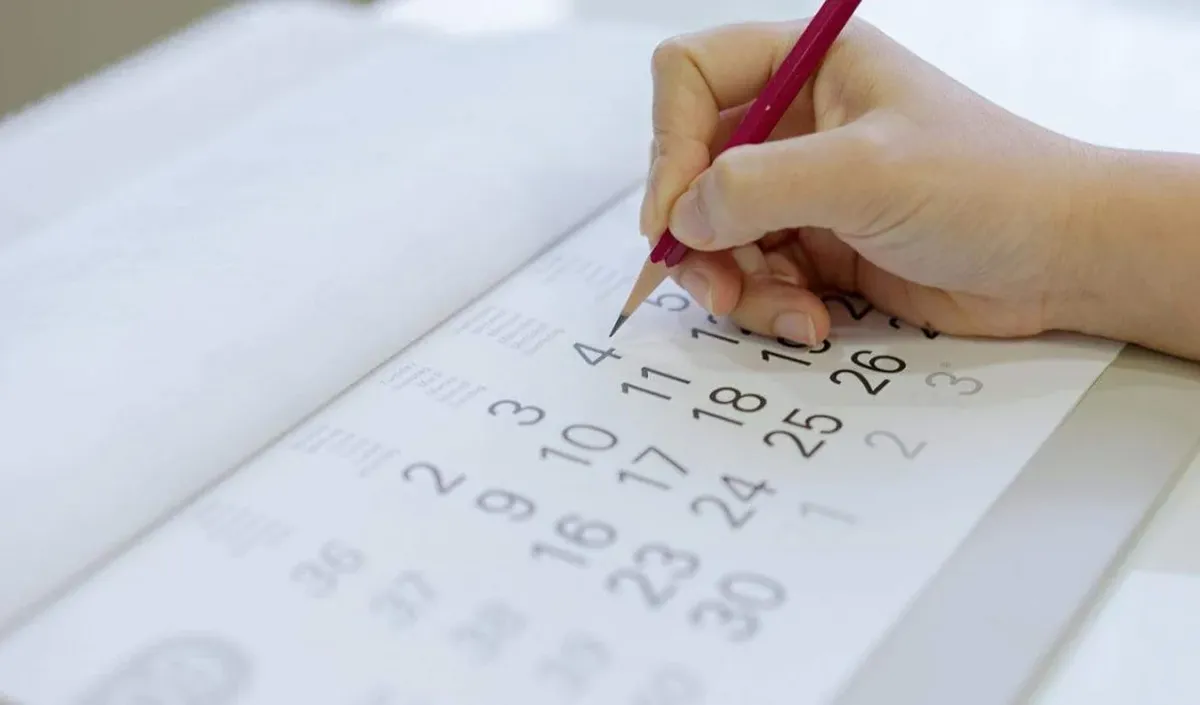
It should be noted that, from 1 January 2027, Moldova plans to calculate annual leave in working days rather than calendar days. Currently, under the Labour Code, the minimum is 28 calendar days, whilst after the reform this minimum will be set at 22 working days.
As the 28 calendar days include weekends, two people may take a different number of working days off, depending on how the weekends fell during their holiday period. The new system is intended to standardise the number of days off.
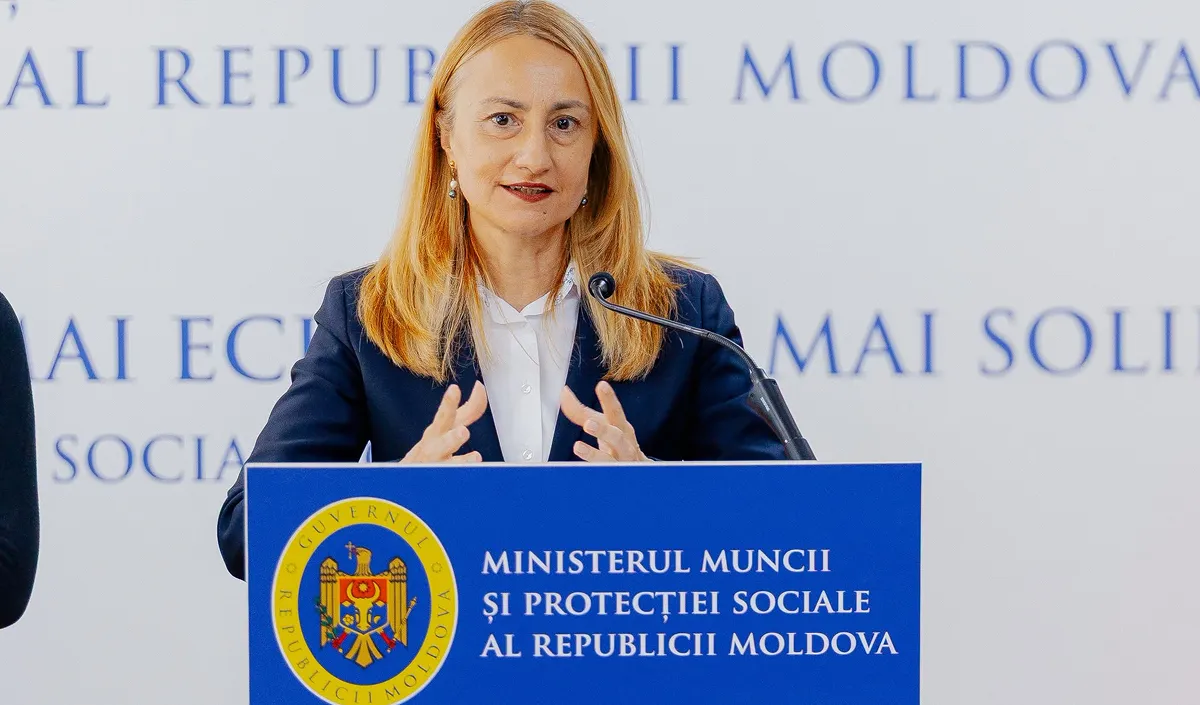
What the Ministry of Labour is proposing
The draft stipulates that the specified duration of annual leave will apply to all employees, regardless of their working arrangements or rota, including those employed on a part-time basis. For those working on a rota or in shifts, only the days on which the employee was due to work will be deducted from their annual leave entitlement. Non-working public holidays will not be included in the duration of annual paid leave.
The procedure for determining the working year for which leave is granted is also clarified. It will correspond to the period from 1 January to 31 December. If an employee has not been employed for the whole year, leave will be granted in proportion to the time actually worked. In this case, working days equal to or exceeding 0.5 of the standard working day will be rounded up to a full day, whilst those less than 0.5 will not be taken into account when calculating leave.
Trade unions have previously pointed out that, under the new calculation mechanism, the total annual leave entitlement for certain categories of workers (particularly in the public sector) may, in some cases, actually be reduced.
It is specified that comments and proposals on the draft are being accepted until 30 October 2026.
This story was translated with the assistance of artificial intelligence.The translation was also reviewed by the Logos Press editorial team.
Follow our updates
Have information for the newsroom? Share it with Logos-Press





















Comments
0No comments yet. You can start the conversation.
Comments are open to readers with a Logos Press account.
Sign in to comment