


Romania is a key supplier of fuel to Moldova
According to data from Moldova’s National Energy Regulatory Agency (ANRE), during the first nine months of 2025, Romania accounted for 99.2 per cent of petrol imports, 79.5 per cent of diesel fuel and 70.7 per cent of liquefied petroleum gas. During this period, Moldova imported a total of 737.6 thousand tonnes of petroleum products, of which 539.8 thousand tonnes were diesel fuel.
Consequently, disruptions to Romania’s oil infrastructure could potentially affect one of the main supply channels for the Moldovan fuel market.
However, an important caveat should be noted: Moldova’s dependence on supplies from Romania does not necessarily mean that the planned strike at the Oil Terminal will directly affect Moldova’s fuel supply. Nevertheless, the significance of this event should not be underestimated. Romanian media report that the strike could lead to serious disruptions in the domestic market, which may also affect Moldova’s fuel supply.
When might the strike begin?
According to the Romanian publication HotNews, negotiations took place on 26 October between the management of Oil Terminal, the trade union and representatives of the Constanța Regional Labour Inspectorate. The parties failed to reach an agreement on the workers’ demands for a pay rise.
According to an official company statement published on 27 October on the Bucharest Stock Exchange website, a warning strike involving a work stoppage is scheduled for 30 October from 10.00 to 12.00. An indefinite general strike is set to begin on 18 November.
The trade union is seeking a 6.5 per cent pay rise. Oil Terminal’s management has stated that it is taking measures to protect the company’s interests and minimise any potential impact on its operations.
How this might affect the fuel market
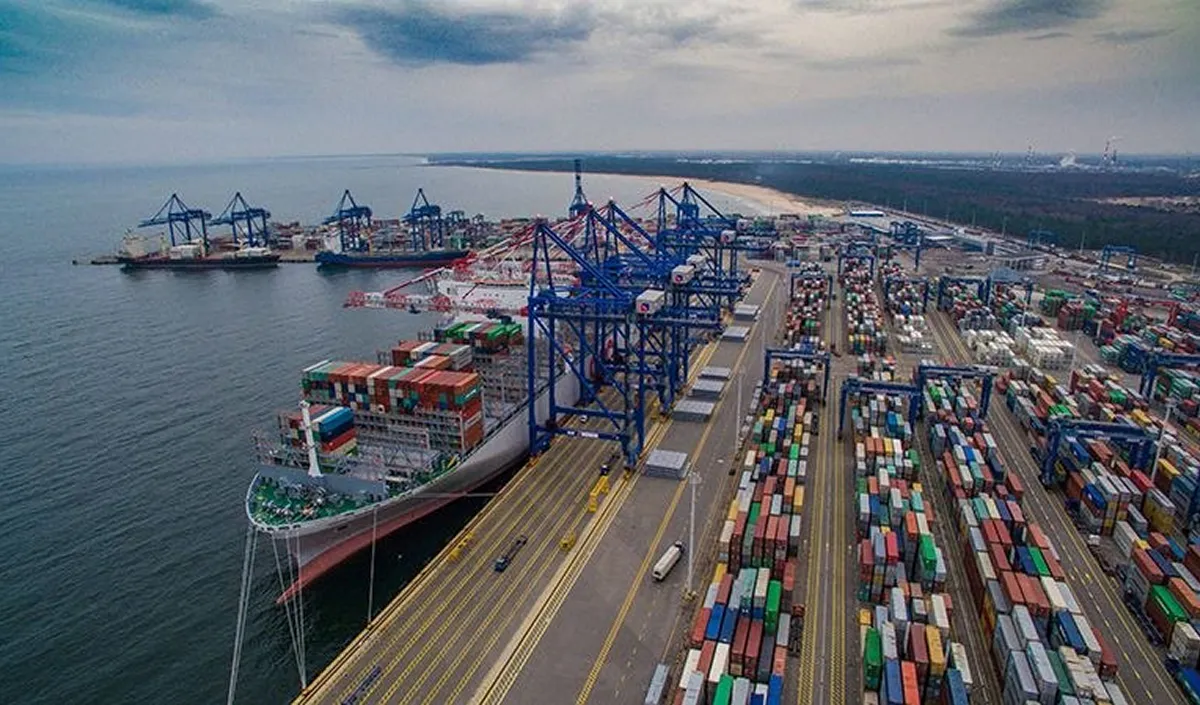
Oil Terminal is a major oil terminal in the port of Constanța, involved in the import and export of crude oil. According to HotNews, the company had warned of risks to supplies to the Romanian market should operations be halted. In particular, court documents indicated that a delay of four to five days could lead to the depletion of crude oil stocks at the Petrobrazi oil refinery.
The company also assessed the potential impact of the terminal’s closure as significant for the supply of petroleum products to Romania.
In this context, the key factors for the Moldovan market will be the duration of any potential shutdown, the state of stocks, the availability of alternative routes, and the possibility of redirecting fuel shipments via other suppliers.
What are the potential consequences for Moldova?
Romania’s high share of petroleum product imports makes developments in Constanța significant for assessing the risks to Moldova’s supply. If the strike leads to prolonged disruptions to operations and affects supplies linked to the Moldovan market, importers may need to utilise alternative sources and logistics routes.
The situation also highlights the importance of diversifying supply sources. Whilst alternative import routes do exist, their viability should be assessed taking into account volumes, product availability, delivery times and logistics costs.
On this basis, it is still too early to draw any conclusions about the potential impact of the planned strike on the Moldovan market. However, as reported by Logos Press, given that parliament only passed the law on the creation of 90-day strategic fuel reserves at its second reading in the second half of September, and the deadline for full compliance with this requirement is set for 30 June 2034, we do not currently have such a ‘safety cushion’.
This story was translated with the assistance of artificial intelligence.The translation was also reviewed by the Logos Press editorial team.
Follow our updates
Have information for the newsroom? Share it with Logos-Press
























Comments
0No comments yet. You can start the conversation.
Comments are open to readers with a Logos Press account.
Sign in to comment