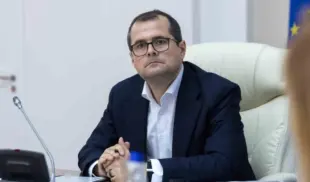
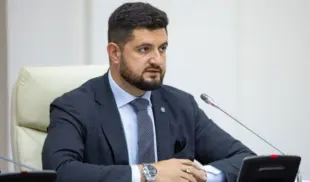
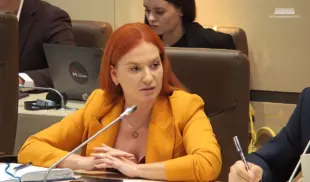
Minister of Health Alexandru Gasnaș Photo: Moldpres
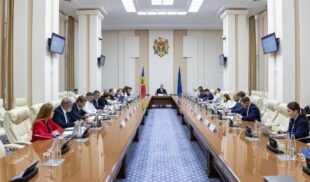
These priorities were presented by Health Minister Alexandru Gasnash at a meeting of the Joint Co-ordination Committee of the UN Framework Programme for Cooperation on Sustainable Development, as previously reported by Logos Press. The meeting was chaired by Prime Minister Vasile Tofan and attended by representatives of the government and UN agencies in Moldova.
The first priority is to strengthen primary healthcare, particularly in communities where the burden on healthcare services is higher. It is proposed that investment be directed towards maternal and child health, mental health, vaccination, and the prevention and treatment of chronic diseases.
The second priority is to improve access to essential healthcare services and medicines for refugees and other vulnerable groups. The Ministry proposes gradually integrating existing support mechanisms into national healthcare funding systems to make access to medical care more predictable and sustainable.
A separate focus area relates to enhancing the resilience of healthcare facilities. The Ministry proposes to assess the critical infrastructure of hospitals and develop the capacity required to continue operations in the event of disruptions to water supply, electricity or the supply of essential goods.
This primarily concerns vital services – intensive care units, dialysis, surgical procedures, laboratories, sterilisation, and systems for storing medicines and other materials at controlled temperatures. According to the Ministry of Health’s proposal, these services must continue to function even in crisis situations.
The fourth area is the development of healthcare data systems and digital infrastructure. Better-quality information on the population’s needs, the use of healthcare services, costs and outcomes should enable the authorities to plan expenditure more effectively and direct resources to areas with the greatest potential impact.
Health Minister Alexandru Gasnash stated that the support provided during the crisis should contribute to the long-term strengthening of the system.
“The support provided during the crisis must leave behind a stronger system,” the minister noted, emphasising the need to improve access to healthcare services, the resilience of hospitals, secure access to medicines and the development of data-driven digital systems.
From humanitarian aid to long-term investment
The Ministry of Health advocates a gradual transition from predominantly humanitarian measures to structured and sustainable investments integrated into national systems.
The Ministry expects that the resources mobilised in response to the crisis and the need to support refugees will simultaneously contribute to the modernisation of healthcare infrastructure, the development of services and the enhancement of the healthcare system’s capacity to respond to future emergencies.
The proposed areas are linked to the objectives of refugee integration, poverty reduction and the application of the principles of the Humanitarian–Development–Peace Nexus. They should also be taken into account when drawing up the future Framework Programme for Cooperation between Moldova and the UN for 2028–2032.
Follow our updates
Have information for the newsroom? Share it with Logos-Press