


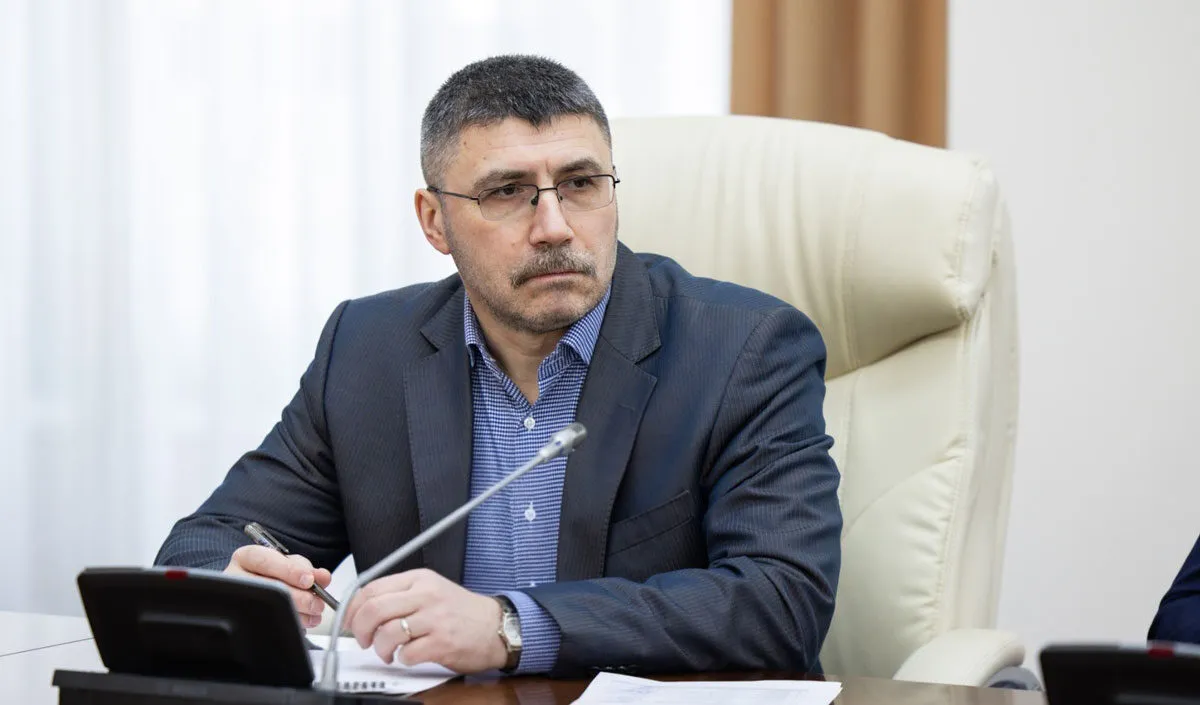
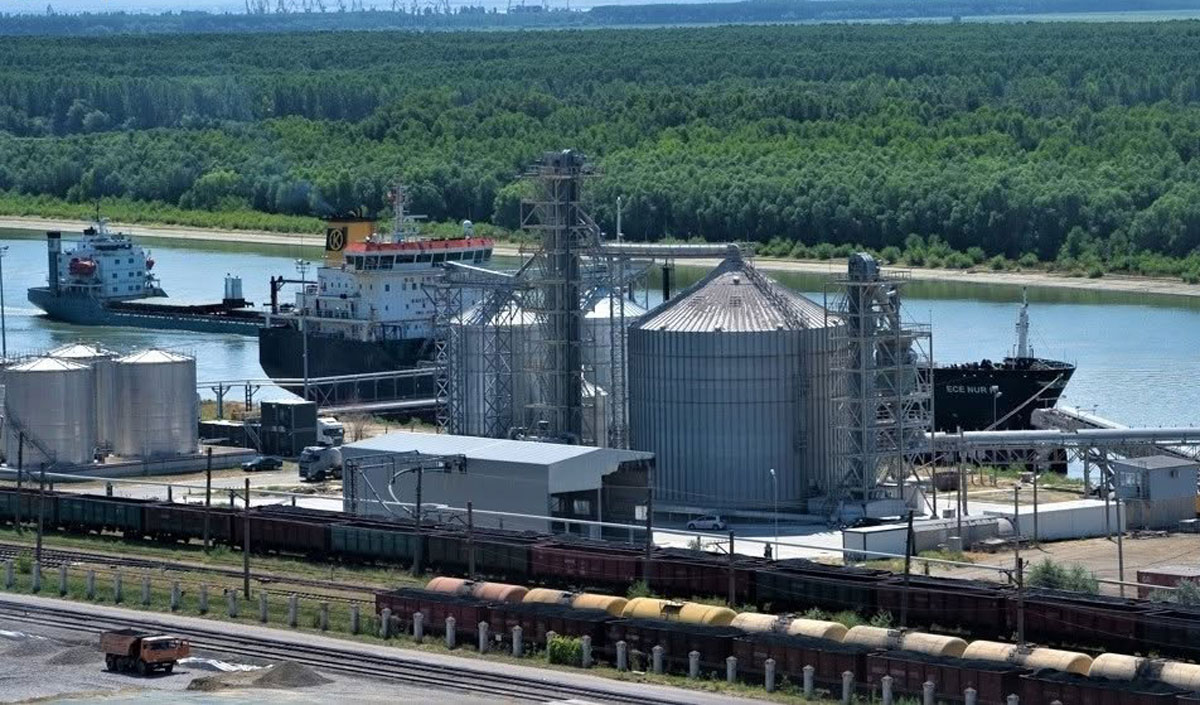
Earlier, Logos Press reported that MP Vasile Costiuc, together with a colleague from the ‘Democracy at Home’ parliamentary group, filmed and published a video showing railway wagons allegedly loaded with Ukrainian sunflower seeds and awaiting transhipment or processing in the free economic zone at the port of Giurgiulești. All this took place in the context of a ‘parliamentary investigation’ into the licensing regime for imports of grain and oilseeds into Moldova.
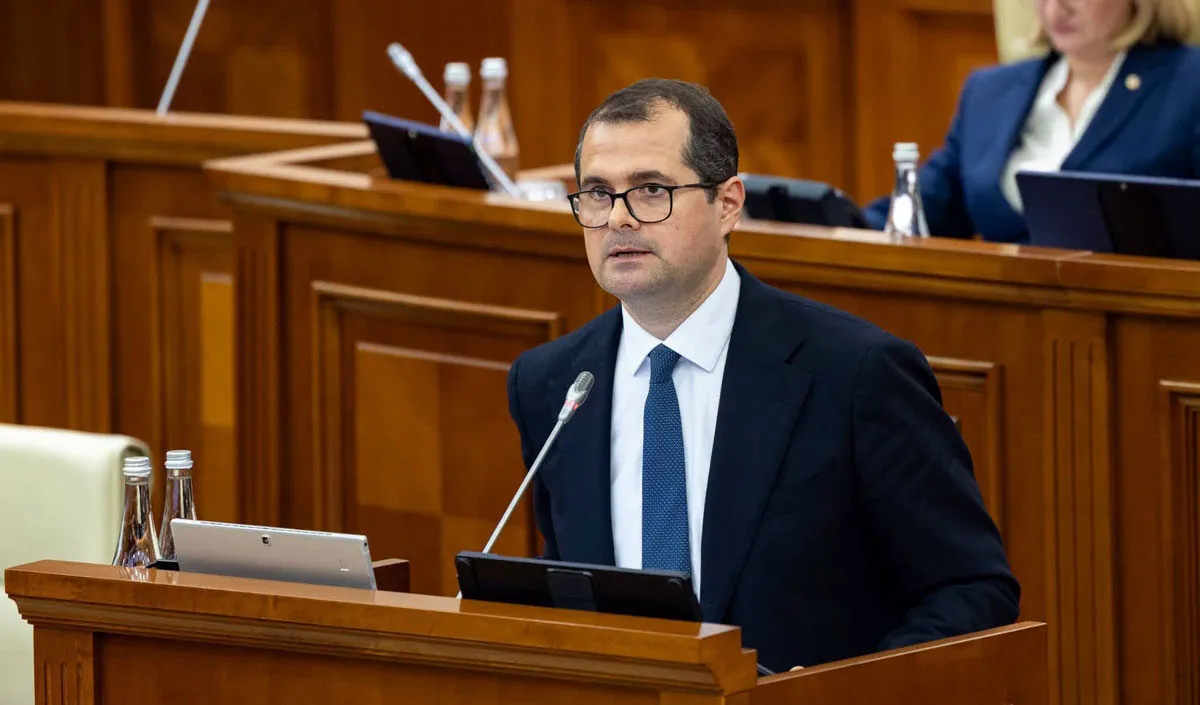
Prime Minister Vasile Tofan refuted the insinuations that Ukrainian agricultural produce was being transhipped, handled or processed at the port. These goods are transiting through Moldova to the Romanian ports of Galați and Constanța. As for the railway wagons captured on video, they contain 5,500 tonnes of sunflower seeds of Moldovan origin, intended for export.
Is such a scenario even possible in principle?
In a comment to Logos Press, Alexandru Slusari, executive director of the Forța Fermierilor association, noted that even at the stage when the licensing mechanism for imports of certain types of grain and oilseeds into Moldova was being adopted, agri-food businesses understood that this mechanism did not apply to the transit of the aforementioned goods through the country’s territory or to the temporary import of raw materials for processing in free economic zones (provided they are subsequently exported in full).
At the same time, it is indisputable and obvious to operators in the agri-food sector that such operations – transit and processing in FEZs followed by export – are entirely transparent and fall within Moldova’s legal framework. In other words, they can certainly be carried out.
The problem lies elsewhere. According to the source mentioned, the temporary import of cheap foreign raw materials for processing, followed by their export – albeit indirectly – helps to reduce purchase prices for similar local raw materials. In other words, in this case, thanks to cheap Ukrainian sunflower seeds, processors – who are residents of free economic zones – can easily utilise their full production capacity. Whereas, in such a situation, Moldovan farmers will have to either accept the competitive purchase prices offered by processors or exporters, or wait (for their turn to sell their produce) in the hope of a seasonal rise in prices (in winter–spring, i.e. in the second half of the marketing season).
What are the processors’ actions and plans?
In a comment to Logos Press, Stela Ostrovețchi, CEO of Floarea Soarelui SA (Moldova’s largest operator in the oil and fat industry, part of the Trans Oil Group), stated that the company had not imported Ukrainian sunflower seeds into its facilities this season. However, the company has previously purchased, and continues to purchase, sunflower seeds produced in Moldova.
The source quoted also emphasises that all operations relating to the purchase, supply and processing (including of Argentine sunflower seeds, which were imported into the Djurdjulești Free Economic Zone for processing and subsequent export) are entirely legal and traceable.
The problem is that, at present, the ‘offered prices’ for Moldovan sunflower seeds range from approximately $450–500/t, whilst Ukrainian sunflower seeds near the Moldovan border can be purchased for $300–310/t. A price difference of $150–180 per tonne is too great an incentive to buy, even taking into account the high associated risks and logistical costs.
It is also worth noting that all participants in Moldova’s agri-food market, including farmers, are well aware of the main reason for this state of affairs. In the case of Ukrainian sunflower seed exports, this is not a matter of ‘unfair competition’ but of the ‘de facto evacuation’ of agricultural produce (for the benefit of the entire global food market).
However, should this trade and economic scenario persist for too long, the prospect of Ukrainian sunflower seeds replacing Argentine sunflower seeds – which are imported into Moldova under a temporary import regime for processing – will become a very real one.
For the time being, however, all those involved – and even those not directly involved – may well point out, from the vantage point of their official positions or out of selfless patriotism, that the MP-blogger has handed over critically valuable information about Moldova’s strategic infrastructure ‘on a plate’ to an aggressive but militarily and technologically backward adversary.
This story was translated with the assistance of artificial intelligence.The translation was also reviewed by the Logos Press editorial team.
Follow our updates
Have information for the newsroom? Share it with Logos-Press












Comments
0No comments yet. You can start the conversation.
Comments are open to readers with a Logos Press account.
Sign in to comment