


What do dairy farmers want?
Firstly, they are calling for the activation of Law No. 820/2000, which regulates the application of compensation and safeguard measures. In other words, they want the competition authority to conduct a market study to determine permissible (non-distorting) import volumes, in particular for certain Ukrainian dairy products. Should imports of these products exceed these limits (quotas), Moldovan dairy industry operators propose introducing additional customs duties.
Specifically, it is proposed that special tariff measures be used to regulate products with a short shelf life: drinking milk and fermented milk products, as well as certain types of cottage cheese. The newly introduced ‘safeguard’ will not apply to milk-intensive products which Moldova is unable to supply to the domestic market through its own production, such as butter.
At the start of this century, such a measure to protect the domestic market (known internationally as a ‘safeguard’ – a special additional duty) was applied to imports of cane sugar. Subsequently, in 2016, the Moldovan government introduced temporary tariff protection for the dairy market in response to large-scale imports from Ukraine. The aim was to protect local producers, who were losing out to suppliers of cheap dairy products from Ukraine and Belarus. In the current economic climate, this objective is once again relevant.
Secondly, dairy producers are calling on the relevant state bodies to closely monitor compliance with the provisions of the Moldovan Government’s Decree No. 158/2019 and international standards (Codex Alimentarius).
In particular, these documents stipulate that the term ‘butter’ may only be applied to a product containing exclusively milk fat in a concentration of 80–90 per cent (with a maximum water content of 16 per cent and a maximum dry matter content of 2 per cent). The national regulatory framework also permits the presence on the market of a traditional dairy product – ‘farmhouse butter’ – with a milk fat content of 72.5 per cent (though the presence of vegetable fats in the product is not permitted).
Representatives of the ‘Lapte’ Patronage Association of Milk and Dairy Product Producers claim that the organisation’s members comply with the labelling rules for (plain) butter and peasant butter. However, imported products sold in Moldovan retail outlets do not always comply with these standards.
Consequently, the regulatory authorities have grounds to apply ‘non-tariff barriers’ to imports of dairy products.
Thirdly, dairy producers are drawing the government’s attention to the specific fact that in Moldova’s retail chains, ‘retro-bonuses can amount to as much as 50 per cent of the shelf price’. Whereas in European Union countries, the maximum is 25 per cent. Representatives of the dairy sector are asking for this difference to be reduced.
It is worth noting that none of these three points in the ‘package of requests’ from representatives of Moldova’s dairy industry require additional funding from the state budget. All that is needed is the political will and a desire to use the government’s authority to support domestic producers.
Farmers’ issues are also important
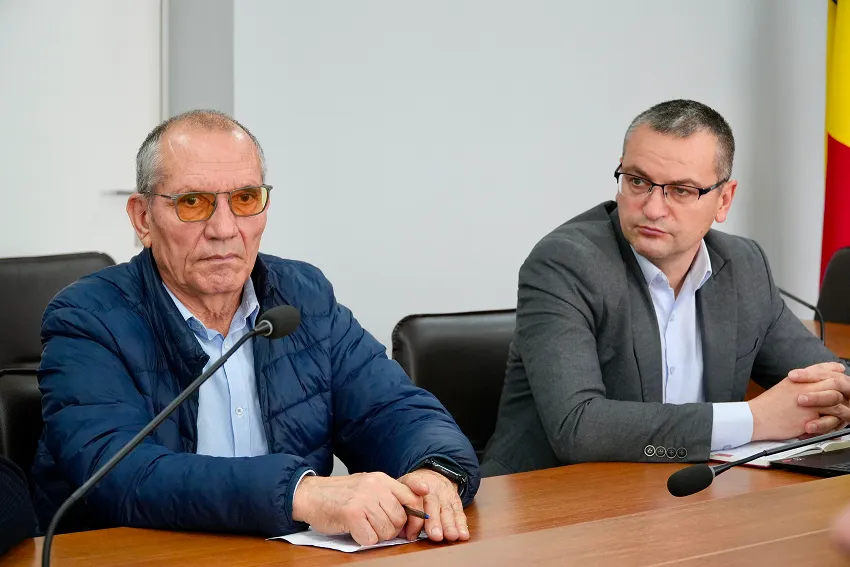
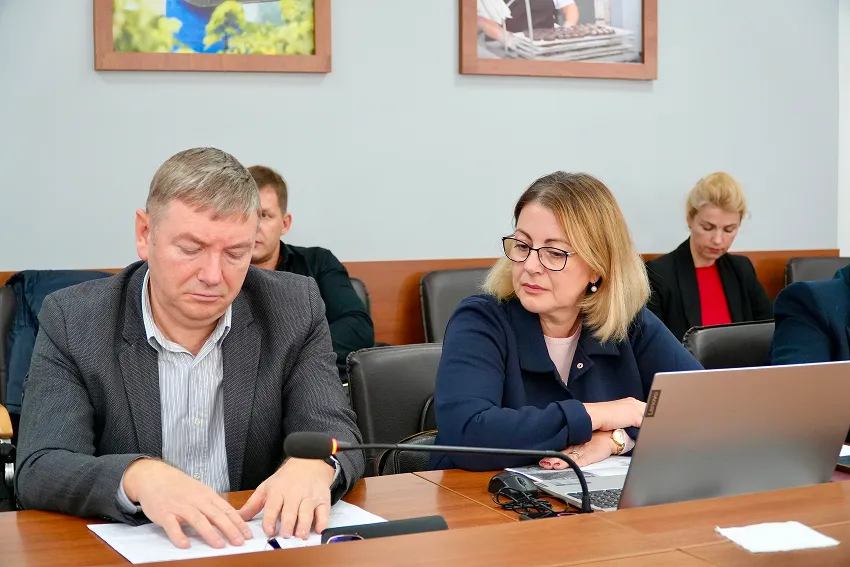
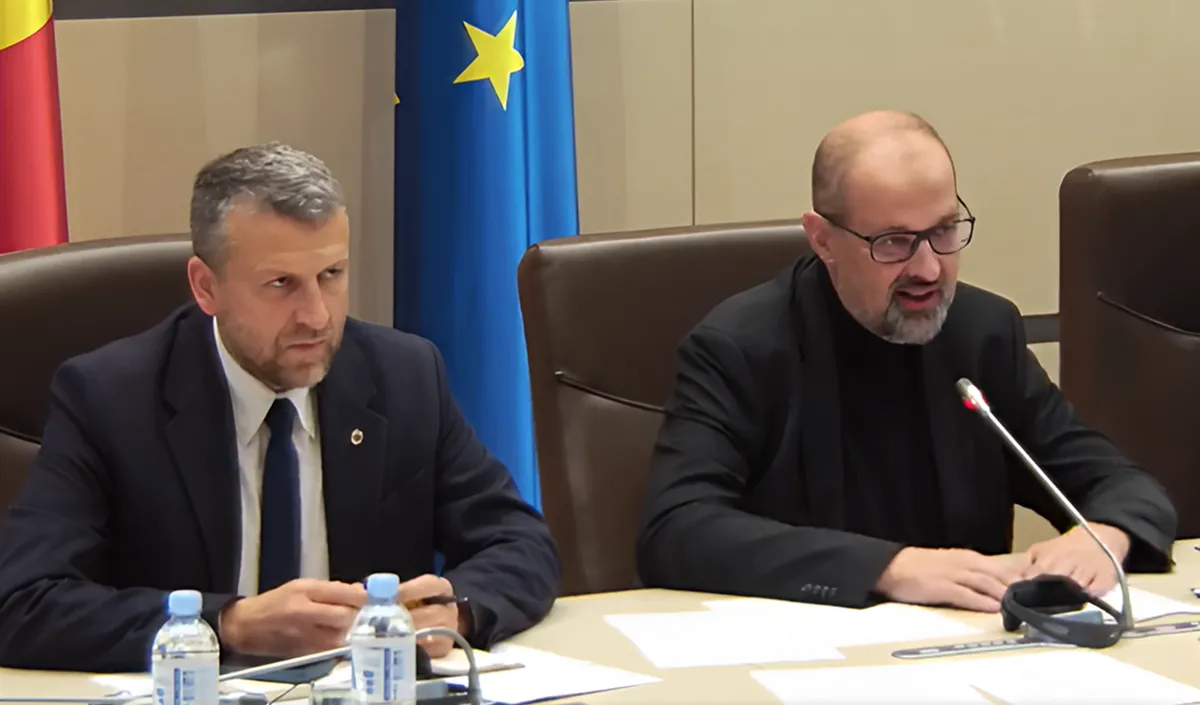
Separately and specifically, during the meeting at the Ministry of Agriculture, representatives of the association highlighted the key role of ‘per kilogramme of milk’ subsidies in the current economic system of Moldova’s dairy sector. However, subsidies (unlike the requests mentioned above) do require expenditure from the state budget.
The association representatives noted that they understand “the existing difficulties and the limited financial resources of the state budget”. However, they drew the attention of the MAIA leadership to the fact that “predictability in business planning for the coming year is critically important for the economic activities of private enterprises”.
In this regard, the associations representing Moldova’s dairy sector requested “a detailed timetable (specifying the month and year) for the fulfilment of commitments for 2025–26, including the payment of post-investment subsidies and direct payments (per kilogramme of milk) in respect of applications submitted in 2025”.
The problem is that the budget of the National Fund for Agricultural and Rural Development has been exhausted. Furthermore, the new subsidy programme, due to start in 2027, does not provide for the repayment of arrears from previous years.
This story was translated with the assistance of artificial intelligence.The translation was also reviewed by the Logos Press editorial team.
Follow our updates
Have information for the newsroom? Share it with Logos-Press















Comments
0No comments yet. You can start the conversation.
Comments are open to readers with a Logos Press account.
Sign in to comment