

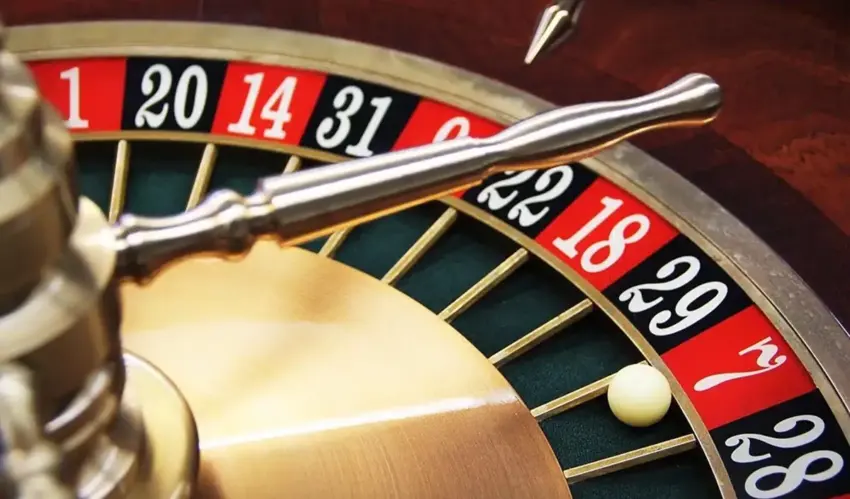
According to News.ro, new regulations adopted at the start of the year have granted local authorities the power to authorise, restrict or prohibit the operation of slot machine halls and other gambling establishments. Operators can no longer rely solely on a national licence; they must also obtain authorisation from the local administration.
However, the mechanism for issuing such authorisations has yet to be implemented in many localities. Municipalities have not adopted the necessary regulations, and the absence of transitional rules has complicated the process of obtaining new permits for existing operators.
At the time of the analysis, only 90 out of approximately 3,100 administrative-territorial units in Romania had adopted the relevant decisions. Gambling has been banned in 35 localities and permitted in a further 55.
The market contraction is already having an impact on licensing revenue. The amount of fees collected for slot machine licences fell from 485 million lei in February–May 2025 to 300 million lei for the same period in 2026. This represents a decline of approximately 38 per cent.
According to the Frames analytical centre, the impact of the changes has been even more pronounced in the slot machine market. As of 1 September, there were 19,723 slot machines with valid licences remaining in the country, compared with 35,533 in March, reports TVRinfo.ro. Thus, over the course of six months, their number fell by approximately 45 per cent, and by more than 70 per cent compared with 2023.
Analysts at Frames have also assessed the potential economic consequences of the sector’s contraction. According to their calculations, the total economic losses could exceed €1 billion per year, whilst the shortfall in state budget revenue could amount to €530–550 million annually. These are the analytical centre’s projections, not official calculations by the ministry.
The gambling sector’s problems have arisen against the backdrop of a general review of budget revenues. According to the draft amendment, excise duty receipts will fall short of the target by 3.68 billion lei, non-tax revenues by 1.87 billion lei, and reimbursements from EU funds for expenditure already incurred by 4.58 billion lei.
The shortfall will be partially offset by additional revenue from VAT, income tax and corporation tax. Overall, the government is reducing its forecast for consolidated budget revenue by 4.7 billion lei, whilst increasing the nominal deficit by 3.5 billion to 130.3 billion lei. The target deficit remains at 6.2 per cent of GDP.
This story was translated with the assistance of artificial intelligence.
Follow our updates
Have information for the newsroom? Share it with Logos-Press





















Comments
0No comments yet. You can start the conversation.
Comments are open to readers with a Logos Press account.
Sign in to comment