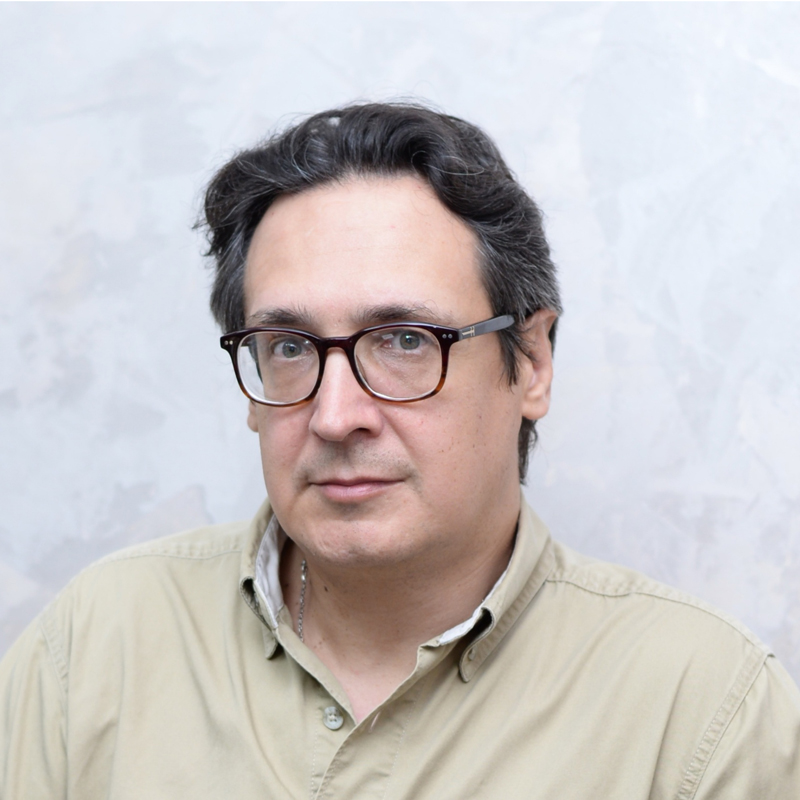

Volodymyr Zelenskyy. Photo: Reuters
Ukrainian President Volodymyr Zelenskyy made this statement during a meeting with journalists. He acknowledged that, following Ukrainian strikes on oil refining and logistics facilities in the Russian port of Novorossiysk, Russia has intensified its attacks on Ukraine’s “grain corridor.”
Kyiv views the “principle of reciprocity” in a potential process of “de-escalating” the conflict as reaching separate agreements for each sector. In the case of the agricultural sector, from Ukraine’s perspective, Russia must cease attacks on Ukrainian ports, ships, and food export routes, while Ukraine must halt strikes on Russian grain logistics. Zelenskyy also reported that he had proposed to the leaders of several countries that they use their ships to transport Ukrainian agricultural products, provided that similar security guarantees are in place for ships carrying Russian grain.
With regard to the energy sector, Ukraine is ready to discuss a separate framework. According to Zelenskyy, an agreement could provide for an end to Russian strikes on Ukraine’s power grid in exchange for an end to Ukrainian attacks on Russian fuel infrastructure related to the production and supply of gasoline and diesel fuel.
The President of Ukraine emphasized that the country’s authorities are “ready for both separate agreements on grain logistics and the energy sector, as well as a complete ceasefire.” However, he said, Russia has not yet demonstrated a willingness to accept such a format and is attempting to use attacks on grain exports primarily to force Ukraine to halt effective strikes against Russia’s energy sector, writes LB.ua.
Note from Logos Press. This statement by the President of Ukraine (if its essence is accurately interpreted by the Ukrainian media) indicates that the halt of Ukrainian agri-food exports by sea is currently the most painful consequence of Russia’s strategy of waging war on Ukrainian territory. It also attests to the effectiveness of Ukrainian attacks on Russia’s energy infrastructure. Meanwhile, the Russian president’s statement that Ukraine’s “negotiation plan” is “fantastical” can be interpreted as a reluctance to agree to an asymmetrical deal: exchanging a solution to the opponent’s main problem for a solution to a problem that is not his own main concern.


