News about Exchange rate
Leading banks recommend their clients to buy commodity currencies amid the ongoing conflict between the U.S. and Iran. In the developed countries segment, these are the Norwegian krone and the Australian dollar, and in the developing countries segment – the Kazakh tenge, the Brazilian real and the Nigerian naira.

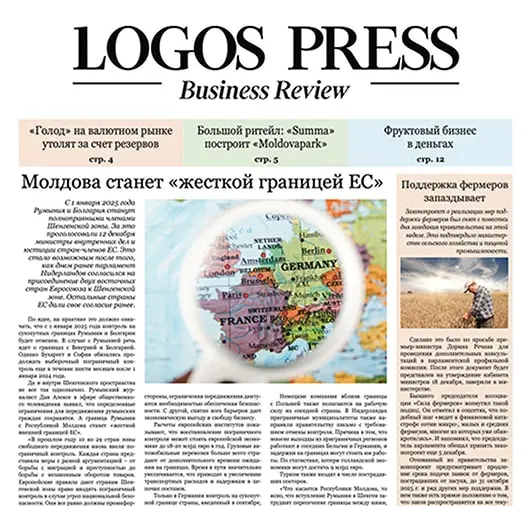
The dollar is falling at the start of the week amid forecasts of US-Iran talks and central bank action. Waning hopes for an agreement to end the war in the Middle East are keeping investors on edge ahead of a series of central bank meetings later this week.
After a decline in previous years, diaspora remittances have shown an upward trend since the beginning of 2026, remaining an important source of support for the solvency of the Moldovan population. In March, $175 million was received. This is more than in January and February and even surpassed the record of the traditionally peak December 2025 ($173.77 million).
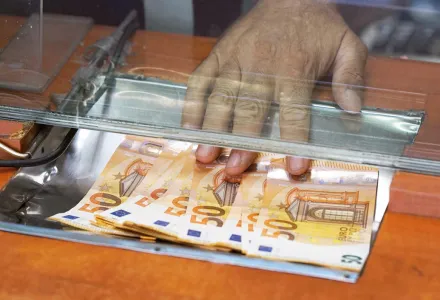
As of spring 2026, the foreign exchange market of Moldova is characterized by high volatility and instability. At the same time, the situation with meeting the demand for currency is difficult, but does not indicate a complete deficit.
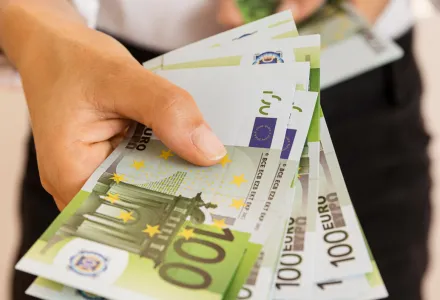
The dollar, considered a defensive asset, rebounded amid renewed tensions between the US and Iran. Hopes for a peace agreement are fading as Iran has said it will not participate in the talks. The Strait of Hormuz in the spotlight: Iran has once again blocked this crucial waterway.
Due to the Gulf War, the inaction of the U.S. Federal Reserve and tightening policies in Europe and Asia-Pacific, some currencies are pulling away from the weakening U.S. dollar.
Major Wall Street banks, including Deutsche Bank and Wells Fargo, believe that the dollar’s rise is over. The reason is the decline in tensions around Iran and the return of investors to risk.
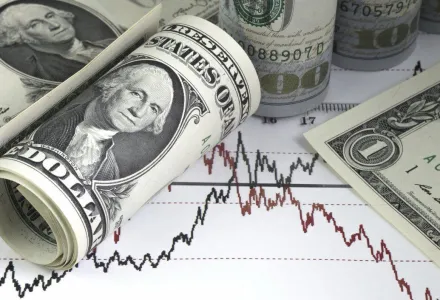
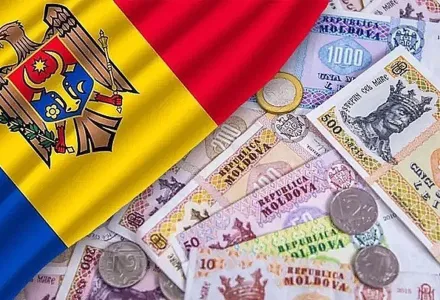
In April, the Moldovan leu showed a moderate strengthening against the US dollar and a slight weakening against the euro.
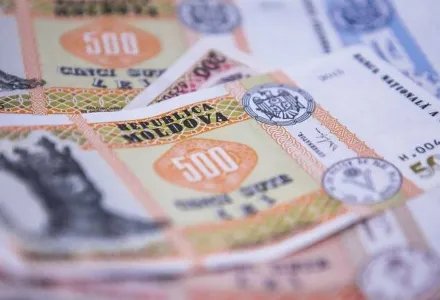
Polish Finance Minister Andrzej Domanski has urged Poles to keep cash at home in case of possible emergencies.

The dollar is nearing six-week lows as hopes for talks with Iran offset the military risk premium, dampening hopes for a constructive outcome to U.S.-Iran talks and raising risk appetite among investors in financial markets.
The weakening of the dollar in the current environment may be mainly due to changes in US monetary policy and geopolitical factors affecting commodity markets.
The price of the first cryptocurrency rose to $75k for the first time since mid-March.
The exchange rate of the Hungarian forint rose sharply after Orbán’s election defeat. A convincing victory for the pro-European opposition is expected to help unlock billions of euros of European Union funding.

The dollar fell sharply against all key currencies, following a two-week ceasefire agreement between Iran and the US. This agreement led to a significant drop in oil prices and weakened demand for the dollar as a defensive asset in the conflict.
The week passed for the world currencies in the waiting mode. Traders are following the news about the war in Iran and waiting for data on liquidity flows. The dollar remained stable after rising by 0.4% in the previous session, helped by a calmer reaction to US President Donald Trump’s recent comments on Iran.
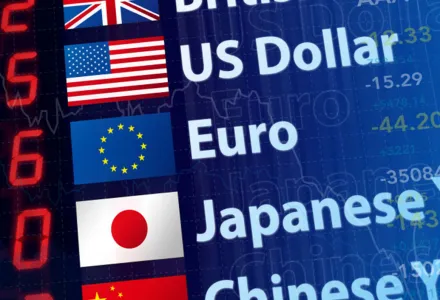
Strangely enough, there is an answer to this question. It is not in the triumphalist rhetoric about overcoming the foreign trade imbalance and economic growth, but in the stingy language of borrowing figures that are not backed by real domestic production, capital inflows and exports.
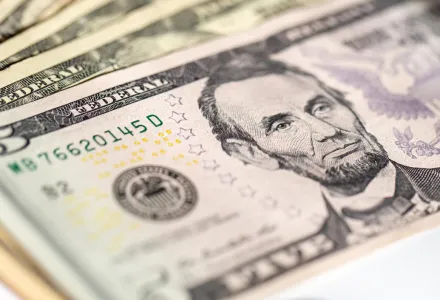
Major currencies are declining against the dollar amid deteriorating risk sentiment after Trump’s speech, showing everyone where the real safe haven lies.
Foreign exchange reserves rose by €200 million in March, thanks to a tranche from the European Commission, reaching €5.272 billion. This increase followed a two-month decline, surpassing the previous high of €5.260 billion in 2024 and setting a new historical record.
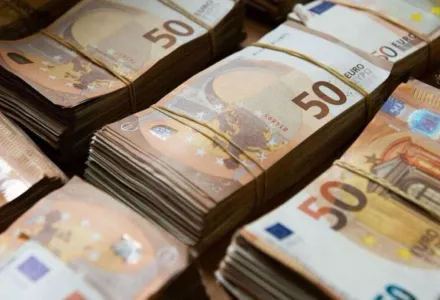
The euro is going through a difficult period, approaching its worst performance since 2024. The conflict in the Middle East is increasing Europe’s dependence on energy imports, negatively affecting the region’s economy. The US, as a major oil producer, is benefiting, while the European Central Bank is facing an economic slowdown and inflation.
The Turkish residential real estate market has started to come out of the stagnation phase: after two years of zero dynamics in the currency, prices showed growth for the first time.