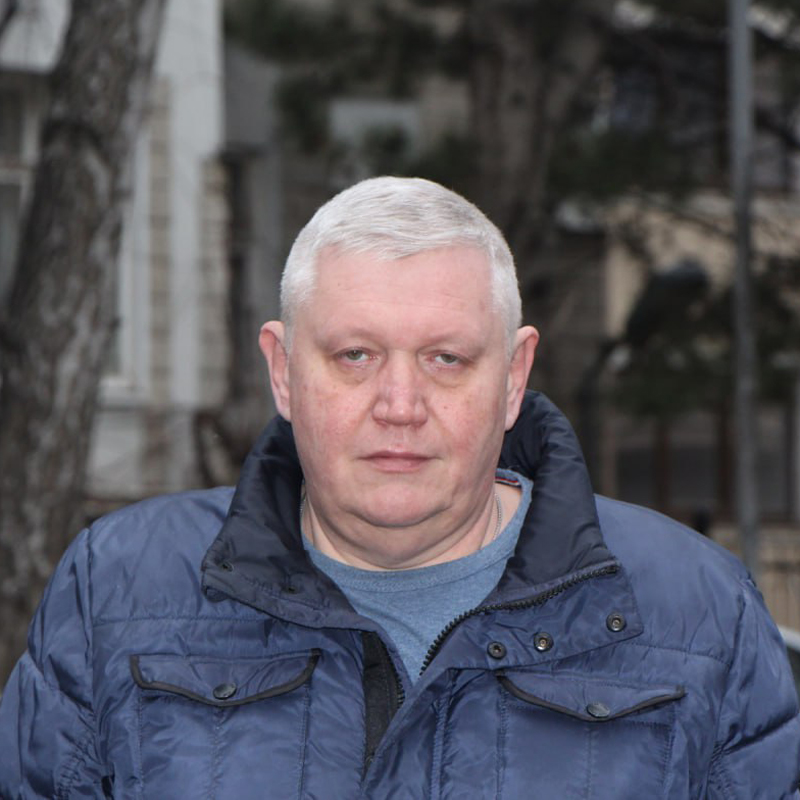

Влад Филат
Today, the National Energy Regulatory Authority (NARE) approved an increase in the natural gas rate from 14.42 to 20.30 lei per cubic meter. That’s an increase of nearly 6 lei—a rise of over 40%.
This is not a surprise, and it is certainly not inevitable.
However, this increase will hit our citizens particularly hard at a time when nearly half the population is facing multidimensional poverty. For hundreds of thousands of families, an additional 40% on the cost of gas is not just a rate adjustment. It is yet another blow to family budgets, already burdened by rising prices in recent years, Filat asserts.
And the consequences will not be limited to gas bills. The cost of gas directly affects production costs, business operations, and the prices of many goods and services.
Today’s increase risks triggering a new chain reaction of price hikes, for which citizens will ultimately have to pay once again.
“I have warned repeatedly: the way the energy sector is managed, the lack of transparency in procurement, and decisions made without due accountability will sooner or later end up on people’s bills,” the former prime minister reminds us. He continues, “In February, I publicly presented data on the cost of gas purchases. In July, when Energocom demanded a rate hike, I stated very clearly: the necessity of such an increase must be justified down to the last leu. Today we see the result: 20.30 lei per m³.”
But the main questions remain unanswered:
At what price and under what conditions did Energocom purchase gas? Why weren’t the necessary volumes purchased when prices were lower, and why are we now in a situation where we are forced to buy gas at a higher price? And why should citizens have to pay for how these purchases were handled?
The government is obligated to fully disclose information regarding the volumes, timing, prices, and terms of gas purchases for the 2026–2027 heating season. Not general press releases or political explanations. The actual figures.
For several years now, citizens have been asked to pay bills for decisions they did not make and for contracts whose terms they do not know.
Energy security is not just about having gas in the pipeline. It is the ability to procure it professionally at the right time, at a reasonable price, and under transparent terms.
Instead, we are once again seeing the same old formula: PAS makes a mistake—the citizen pays.
Let us recall that Konstantin Kuyumju, a member of the current parliament, claims that NARE calculated the new tariff using an inflated euro exchange rate. This will result in additional costs for consumers amounting to 260 million lei.
Follow our updates