

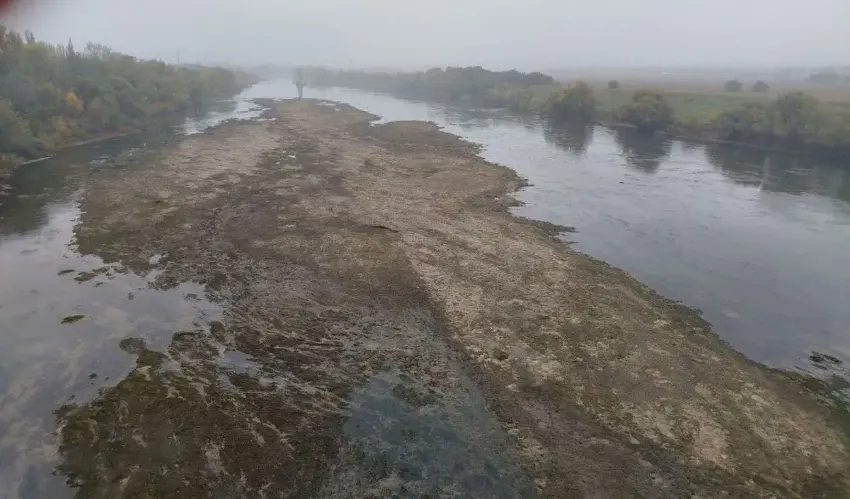
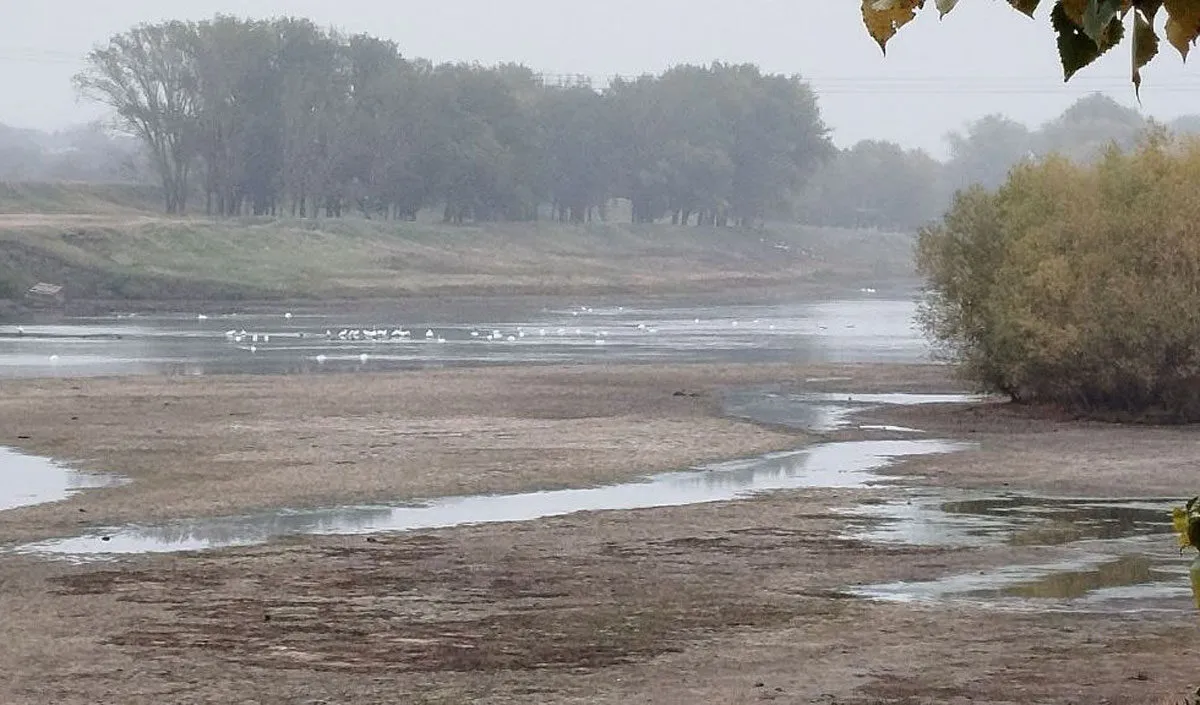
This information was shared by Ilya Trombitsky, director of Eco-TIRAS. In a comment to Logos Press, the expert noted that, despite the frequent rainfall, water levels in the Dniester Reservoir have not risen significantly. The reservoir is still a long way from its normal water level (around 118 metres above sea level). However, it would be incorrect to assess the situation solely in terms of discharge rates and water levels in the reservoir. Of great significance is the fact that, thanks to the rainfall, the soil in the Carpathians has been replenished – consequently, the flow into the river will remain consistently higher for some time than it was during the preceding summer and autumn drought. Worse still, no significant rainfall is forecast for the Carpathians in the first half of November.
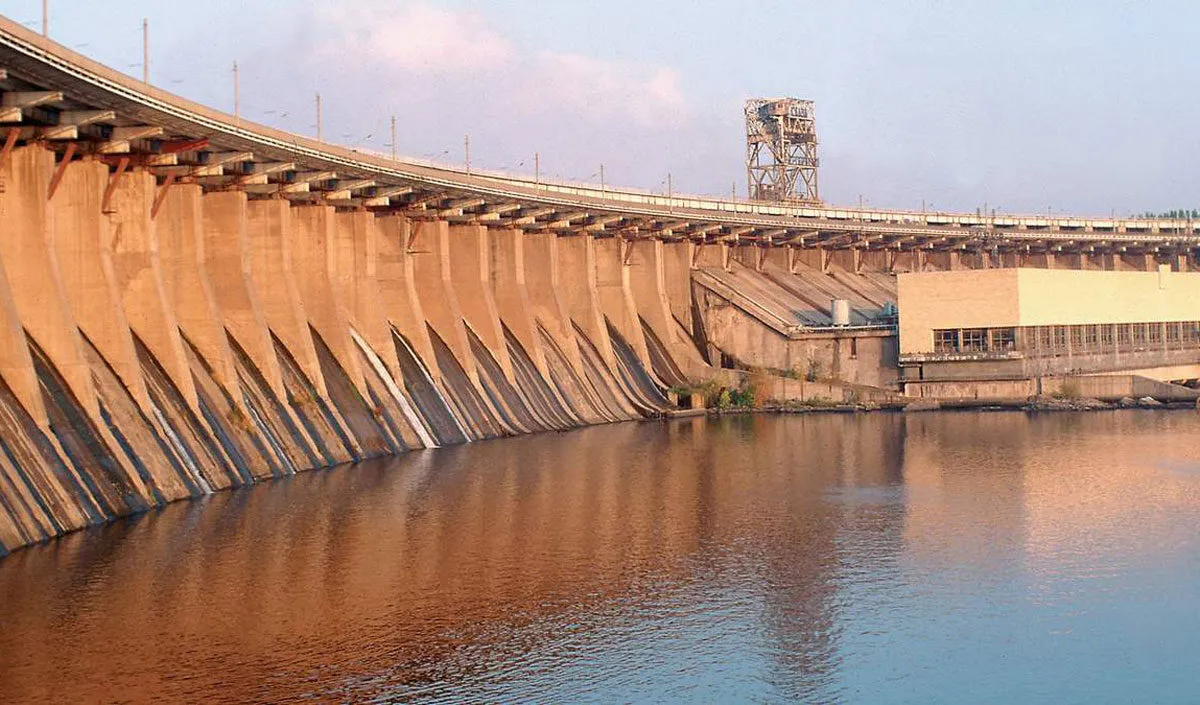
The water level in the Dubossary Reservoir has risen by 20–22 cm over the past week and currently stands at 28.38 metres above sea level. Rainfall in northern Moldova has made a significant contribution to replenishing water reserves. On some days, the inflow into this reservoir reached 102 m³/s.
Nevertheless, it appears that a single winter and spring with heavy rainfall will not be enough to normalise the water levels in the Dniester. This will require several years with total rainfall above the average.
This story was translated with the assistance of artificial intelligence.
Follow our updates
Have information for the newsroom? Share it with Logos-Press
























Comments
0No comments yet. You can start the conversation.
Comments are open to readers with a Logos Press account.
Sign in to comment