

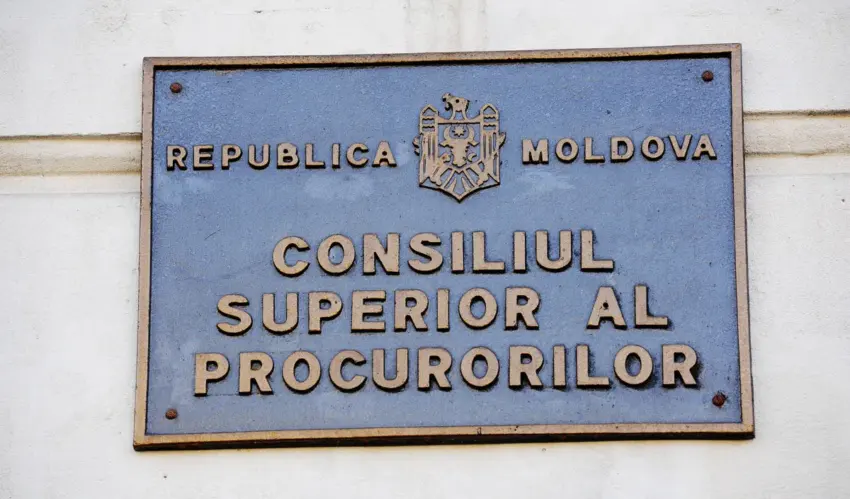
These findings were presented by the Centre for Legal Resources of Moldova (CRJM), which monitored the activities of the Supreme Council of Prosecutors over a nine-month period in 2026.
According to the authors, this discrepancy between positive and negative assessment reports, coupled with delays in publishing the grounds for contested decisions, reduces the timeliness of information and the public’s ability to scrutinise the decision-making process, and may directly affect confidence in judicial reform.
Insufficient access to the reasons behind decisions
“Transparency in external evaluation means not only the publication of the final decision, but also timely access to the reasons underlying it. When the evaluation commission’s conclusions are rejected, it is important that the public can understand the reasoning,” said Karolina Bagrin, Programme Director at CRJM.
By October 2026, the High Council of Justice had held 37 meetings and considered 307 matters, with not a single meeting having been cancelled due to a lack of quorum, the authors note. At the same time, although the council has not suspended its activities, the large volume of disciplinary cases may limit the time available for carrying out its duties.
Weaknesses in the organisation of competitive examinations
The study also identifies weaknesses in the organisation of the SPC’s recruitment competitions. It is noted that 32 graduates of the National Institute of Justice competed for ten vacancies for prosecutors, but interviews typically lasted only 5–7 minutes, and the questions varied considerably, which limited the comparability of assessments. At the same time, three competitions for inspector posts resulted in just one appointment, whilst one competition failed to attract a single candidate.
Among the CRJM’s recommendations are the prompt publication of reasoned decisions, whilst ensuring the protection of personal data; a clear distinction between aspects requiring reassessment; and the introduction of comparable criteria for selection interviews. The authors of the study recommend publicly explaining the relevance of the topics included on the agenda and identifying the reasons for the decline in the attractiveness of certain posts.
This story was translated with the assistance of artificial intelligence.The translation was also reviewed by the Logos Press editorial team.
Follow our updates
Have information for the newsroom? Share it with Logos-Press





















Comments
0No comments yet. You can start the conversation.
Comments are open to readers with a Logos Press account.
Sign in to comment