


Photo: Getty Images
‘Ekonomicheskaya Pravda’ reports this, citing the IMF’s October report ‘Assessment of Budget Expenditure on Energy Subsidies and Reform Options’.
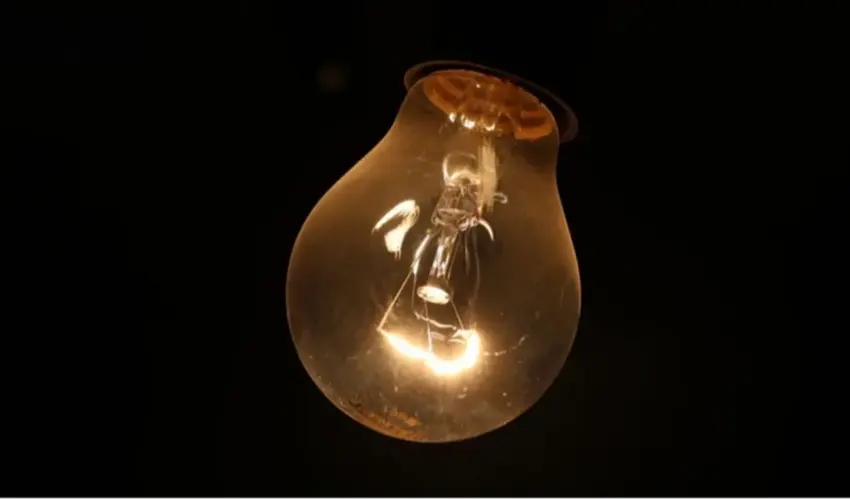
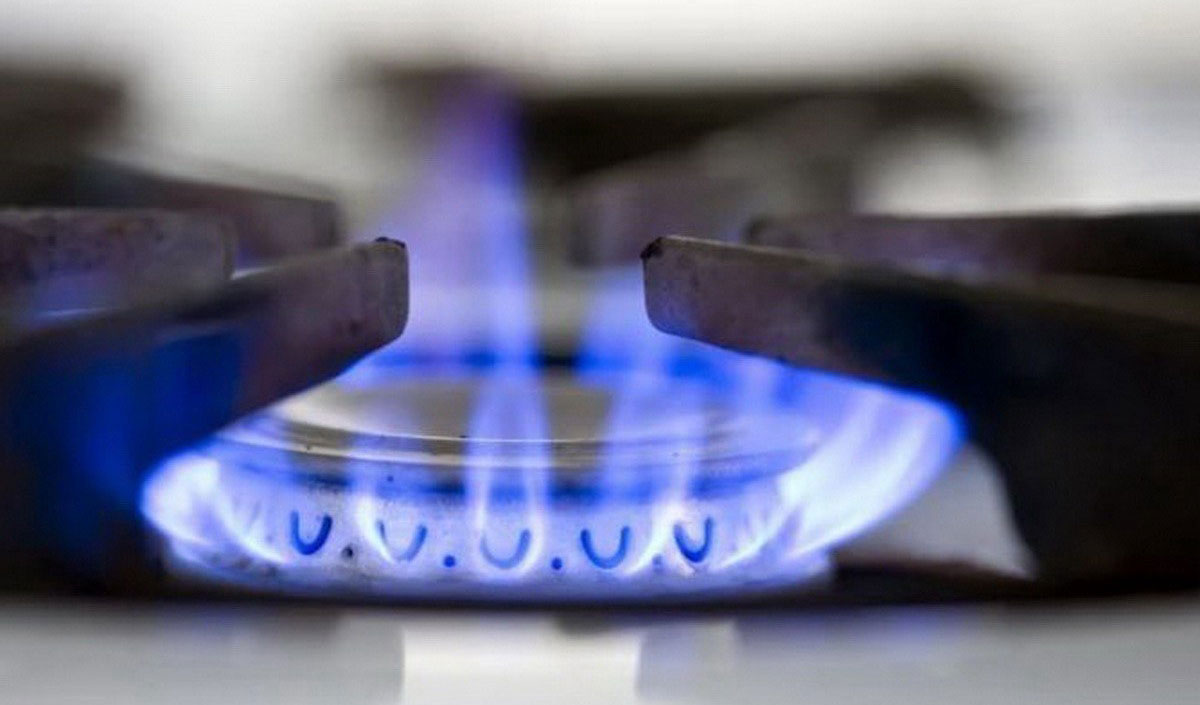
According to the publication, IMF analysts point out that current electricity and gas tariffs cover 41 per cent and 49 per cent of costs respectively, whilst the volume of public service obligations (imposing social obligations on market participants to protect consumers’ interests) in the electricity market amounts to around 1.8 per cent of GDP, and around 1.4 per cent of GDP in the gas sector.
A further 0.3 per cent of GDP is accounted for by heating subsidies for domestic consumers outside any SRO framework, due to a moratorium on utility price rises, whilst 0.2 per cent of GDP consists of subsidies to renewable energy producers.
Two scenarios from the IMF
As noted by EP, the Fund is proposing two scenarios to Ukraine for the gradual phasing out of PSO over three years through a gradual increase in tariffs. They differ in terms of the target tariffs for gas and electricity in the third year of implementation.
In Scenario ‘A’ – ‘business as usual’ – the price of electricity, following a gradual increase, will be 9.7 UAH/kWh, and the price of gas will be 22 UAH/m³ (including VAT).
Scenario ‘B’ – ‘recovery’ – is based on a post-war medium-term steady state and provides, in particular, for improved supply efficiency and a transparent assessment of Ukraine’s recovery needs.
According to this scenario, the price of electricity should be 6 UAH/kWh, and that of gas 17.2 UAH/m³ (including VAT).
‘In the first scenario, the target tariff levels for the third year reflect current market conditions, which means an overall increase in tariffs of 141 per cent and 104 per cent for electricity and gas respectively,’ the publication quotes from the IMF report. “In the second scenario, the target tariff levels for the third year reflect market prices anchored to suppliers’ medium-term benchmark production costs. This scenario envisages an overall increase in tariffs of 52 per cent and 60 per cent for electricity and gas respectively.”
Gradual transition
As EP clarifies, under both scenarios, the PSO is phased out gradually – for example, by 20 per cent in the first year, by 60 per cent in the second, and by a further 20 per cent in the third.
The IMF justifies its proposals by emphasising that reforming energy subsidies delivers significant fiscal benefits: savings from the full reform package under Scenario ‘A’ would amount to 3.2 per cent of GDP, and under Scenario ‘B’ to 1.5 per cent of GDP.
At the same time, the Fund notes that changes to energy tariffs must be accompanied by appropriate social support that is not linked to energy prices. However, it is not recommended to introduce targeted social tariffs for energy at this stage.
Meanwhile, *Ekonomicheskaya Pravda* reports that, at the end of September 2026, the Ukrainian government extended the validity of the price stabilisation mechanism (PSO) in the natural gas market until 31 March 2027. This means that the price of gas for Ukrainian households will remain unchanged this winter.
This story was translated with the assistance of artificial intelligence.The translation was also reviewed by the Logos Press editorial team.
Follow our updates
Have information for the newsroom? Share it with Logos-Press









Comments
0No comments yet. You can start the conversation.
Comments are open to readers with a Logos Press account.
Sign in to comment