


Forum participants emphasised that funding for the social sector is shifting from emergency response measures towards long-term structural investments. The conference saw the presentation of the Health Action Programme for Europe and Central Asia for 2026–2030 — a voluntary regional framework programme aimed at supporting states in translating international and regional commitments into concrete actions through cooperation and the exchange of best practice.
The Action Agenda for 2026–2030, officially launched at the conference, will serve as a key financial and strategic guide for governments in the region and international donors, coordinating budgetary allocations towards social support reforms.
The social protection system is expanding
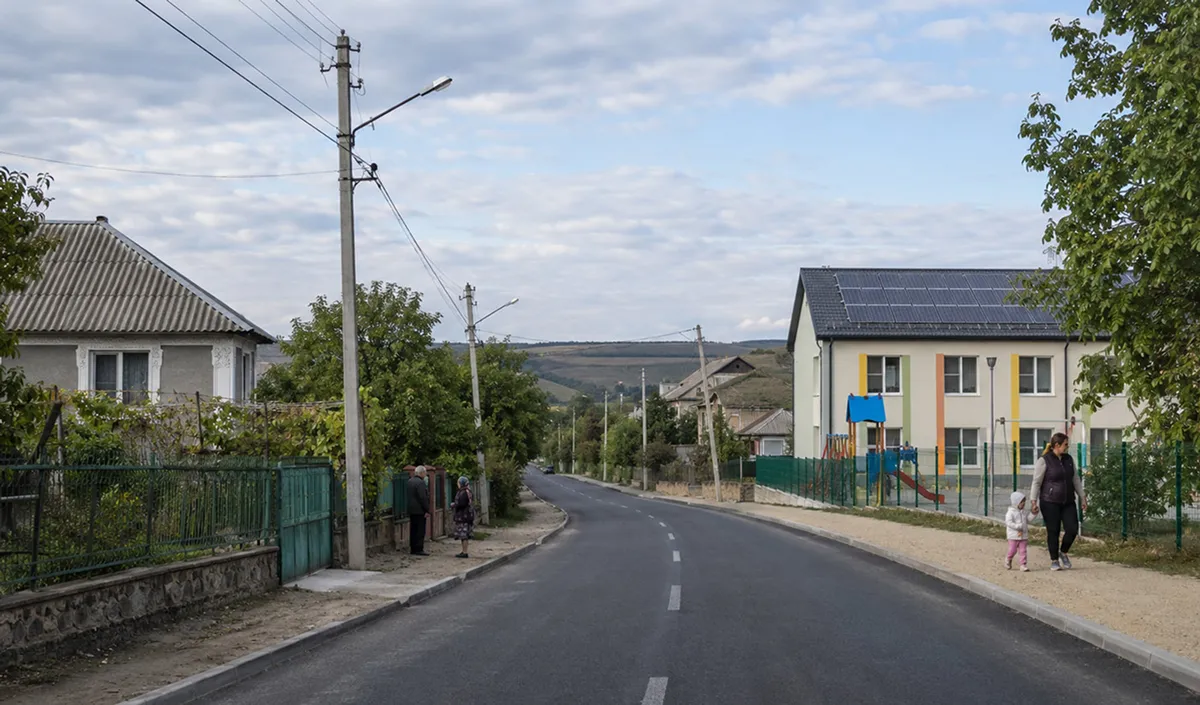
For Moldova, the launch of this programme marks a shift from emergency support measures to large-scale, long-term investment. The government, in collaboration with international partners, is significantly increasing funding for the social protection system, with a focus on expanding care services and the major modernisation of infrastructure.
According to Belén Sans Luque, Regional Director of UN Women, investment in care infrastructure not only helps those in need but also creates millions of sustainable jobs, broadening the tax base and strengthening gender equality in Moldova. The adopted Action Plan up to 2030 will serve as the main financial guideline for the allocation of external budgets and the coordination of social reforms in the republic.
Funding will be allocated across the following strategic priorities:
- Large-scale expansion of crèches and nurseries: Over the next two years, more than 3,000 new places will be created in crèches across Moldova. Targeted funding is aimed at reducing the burden of childcare, which traditionally falls on women, and helping young mothers return to the labour market more quickly.
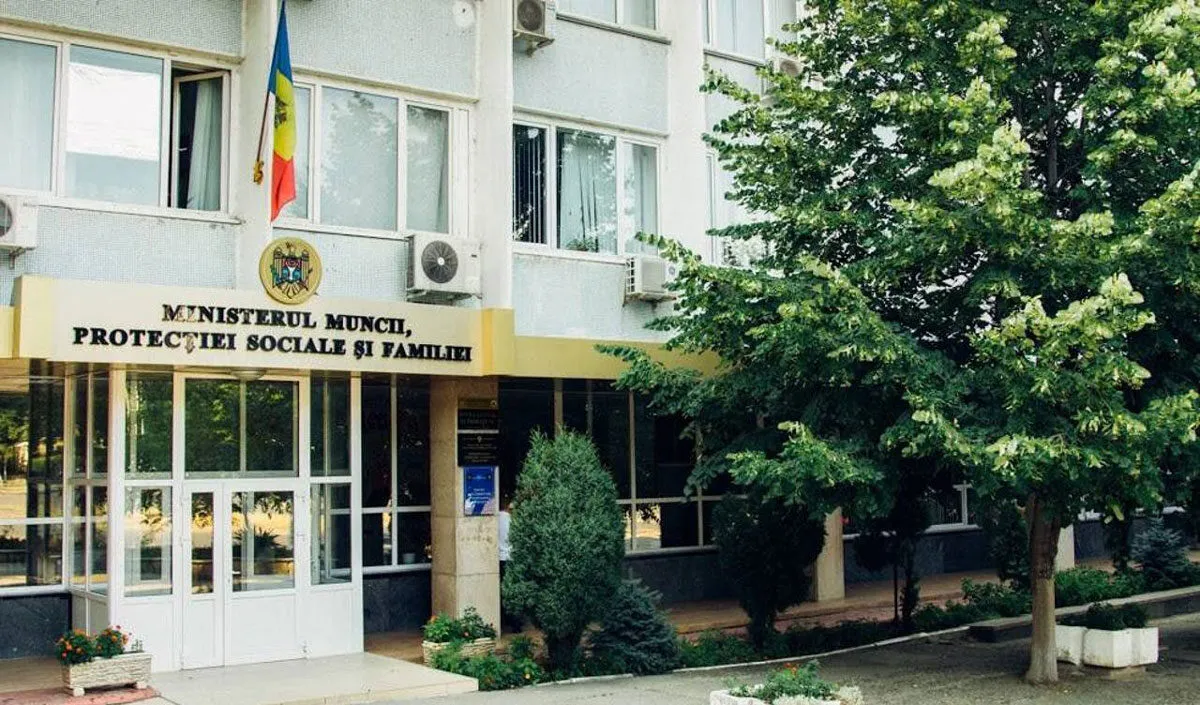
- Direct investment in social centres: The government is investing around 70 million lei to improve social services. Of this amount, 50 million lei will go towards major refurbishment and the purchase of modern medical equipment for 45 specialist centres (out of the 93 under the Ministry’s remit). More than 2,400 people will benefit from these investments, including children with severe disabilities, as well as children who have been subjected to violence or separated from their parents.
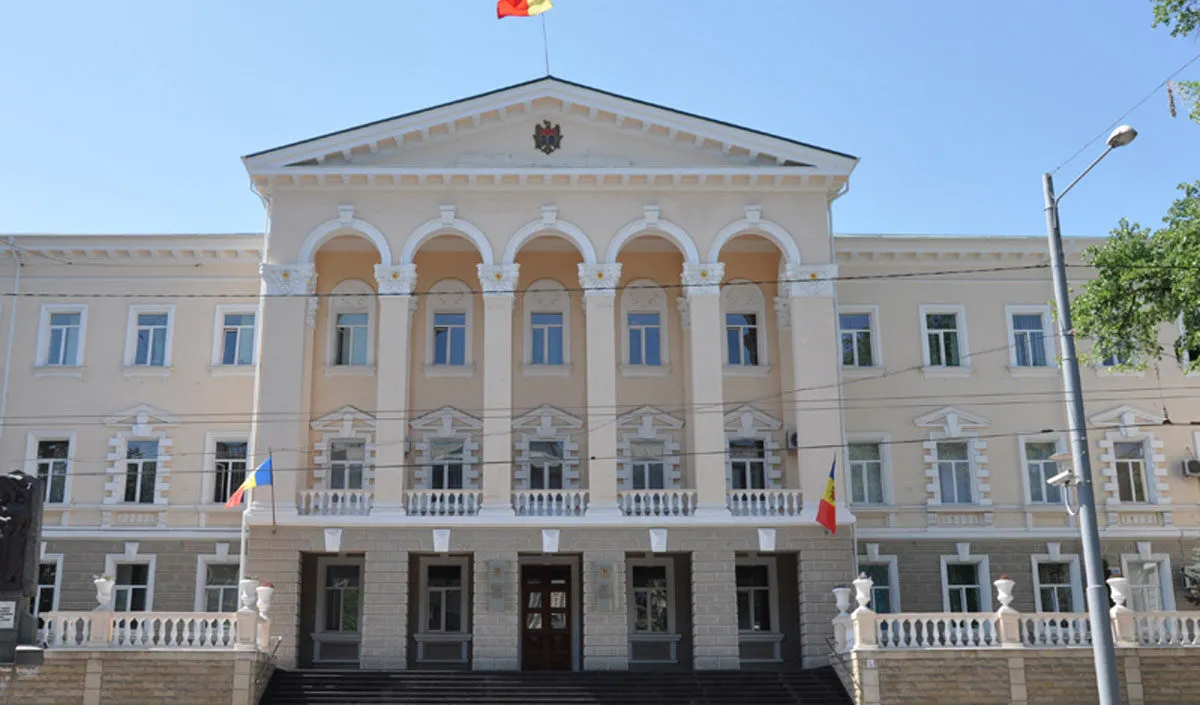
- Digitalisation of the social protection system: International donors continue to invest directly in IT infrastructure. With financial support from the US Government and UNICEF, the relevant ministries and the National Social Insurance Fund (CNAS) in Moldova have received new digital equipment. These investments are critical for the rapid processing of data, the launch of platforms (such as those for calculating energy compensation) and the prompt disbursement of payments to vulnerable families and refugees.
- Grants for local communities: As part of a related European initiative, town councils and local authorities in Moldova can now apply for rapid-response grants of up to $20,000 (around 360,000 lei) to develop innovative funding mechanisms and remove barriers at local level. The funding is provided by the European Union and implemented through the UNDP.
The programme does not have a single fixed budget for the entire five-year period up to 2030, as it is a supranational strategic framework document rather than a specific grant project. Funding for reforms in the care and social assistance sector in Moldova consists of a dynamic combination of the state social insurance budget (BASS) and targeted grants from international donors.
Consequently, the Action Agenda for 2026–2030 coordinates the allocation and systematic increase in investment within Moldova’s annual social protection budget of 52 billion, whilst drawing on flexible tranches from international organisations.
This story was translated with the assistance of artificial intelligence.The translation was also reviewed by the Logos Press editorial team.
Follow our updates
Have information for the newsroom? Share it with Logos-Press


















Comments
0No comments yet. You can start the conversation.
Comments are open to readers with a Logos Press account.
Sign in to comment