


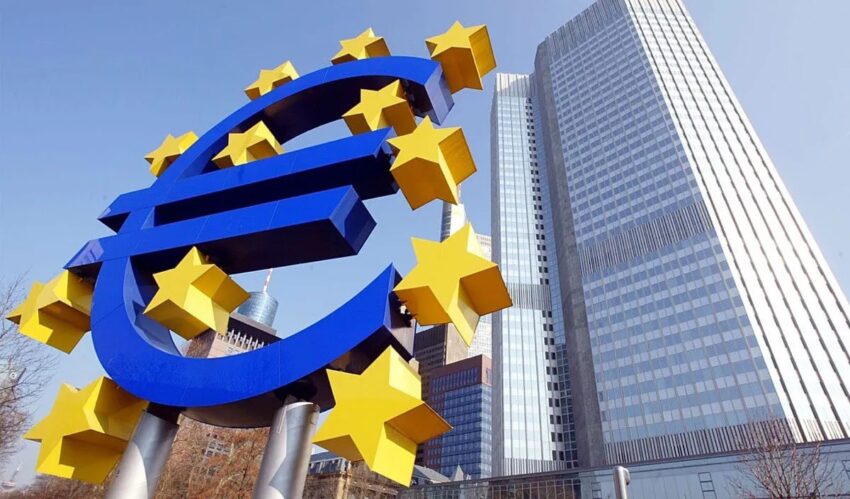
These conclusions are set out in the annual report on the enlargement of the European Union (Enlargement Package 2026), published by the European Commission on 4 November. In the document, the European Commission assesses the progress of the ten candidate countries for EU membership, and Moldova is named among the three frontrunners demonstrating the greatest progress. Montenegro, Albania and Ukraine received similar assessments.
Moldova has made progress in accession negotiations
The European Commission’s assessment emphasises that, over the past year, Moldova has opened four negotiation clusters. The country has continued to align its legislation with the EU acquis communautaire
across all areas of the negotiations and has made further progress on key reforms relating to the rule of law.
Particularly significant results have been noted in meeting the interim criteria for the ‘Fundamentals’ chapter, which covers key requirements for democratic institutions, the judiciary, public administration and the protection of fundamental rights.
The Commission considers that Moldova has already met the conditions for opening all remaining negotiation clusters. The next important step should be to maintain the pace of reform necessary to advance negotiations across all areas.
However, the European Commission’s assessment does not mean that the negotiations are complete or that EU membership is guaranteed by a specific date. Further progress will depend on the fulfilment of the necessary conditions and the decisions of the EU Member States.
Early 2028 – a target date for the conclusion of negotiations
The European Commission considers the target of concluding Moldova’s EU accession negotiations by early 2028 to be ambitious but achievable. To this end, the country must maintain its current pace of reform.
Key conditions for progress remain the quality of reforms, strengthening the rule of law, further alignment of national legislation with European standards, and fulfilment of commitments across all areas of negotiation.
Roadmaps are being drawn up for four countries
In the document presented, the European Commission highlights the four countries that have made the most progress in accession negotiations: Montenegro, Albania, Moldova and Ukraine.
Indicative roadmaps have been drawn up for them, setting out specific stages and targets for the coming year. These are intended to make further preparations for membership more structured and transparent, as well as to facilitate cooperation between candidate countries and EU institutions and Member States.
European Commission President Ursula von der Leyen stated: “The significant progress made by some candidate countries over the past year allows us to turn the promise of enlargement into reality. We are now proposing a series of indicative plans for the most advanced countries in the negotiations – Montenegro, Albania, Ukraine and Moldova. These will set out a clear plan for the coming year and provide a solid foundation for future negotiations. Step by step, we are building a more complete and stronger Union.”
The roadmaps will be adjusted to take account of the progress made and the fulfilment of the conditions set. The European Commission also envisages drawing up similar documents for other candidate countries once their level of progress and engagement in the negotiations reaches a comparable stage.
Gradual integration prior to EU accession
Another aspect of the EU’s enlargement policy is the closer integration of candidate countries into specific areas of the European Union’s activities prior to full membership.
The European Commission proposes to make this process more consistent and predictable, with a particular focus on energy, transport, digitalisation and defence.
It is envisaged that gradual integration into European mechanisms will enable candidate countries to reap the practical benefits of cooperation with the EU at an earlier stage, strengthen their administrative capacities and enhance their economic competitiveness. At the same time, access to the relevant instruments will depend on the fulfilment of the necessary conditions, whilst integration itself will remain part of the accession process.
Over the next six months, the European Commission intends to launch a dialogue with the enlargement countries to assess existing integration instruments, their funding and opportunities for further cooperation.
Final decisions rest with the EU Member States
The European Commission emphasises that the enlargement of the Union remains a process based on objective results and the fulfilment of membership criteria. The pace of progress for each country is determined by the quality of reforms, particularly in the areas of democracy, the rule of law and fundamental rights, as well as economic convergence with the EU.
The Commission’s recommendations will now be considered by the Council of the EU, which is to determine the next steps in the negotiation process.
For Moldova, this assessment means that European integration is moving on to the next stage of practical work: following the opening of the negotiation chapters, the key task is to consistently fulfil the criteria necessary for their advancement and subsequent closure.
This story was translated with the assistance of artificial intelligence.The translation was also reviewed by the Logos Press editorial team.
Follow our updates
Have information for the newsroom? Share it with Logos-Press


















Comments
0No comments yet. You can start the conversation.
Comments are open to readers with a Logos Press account.
Sign in to comment