


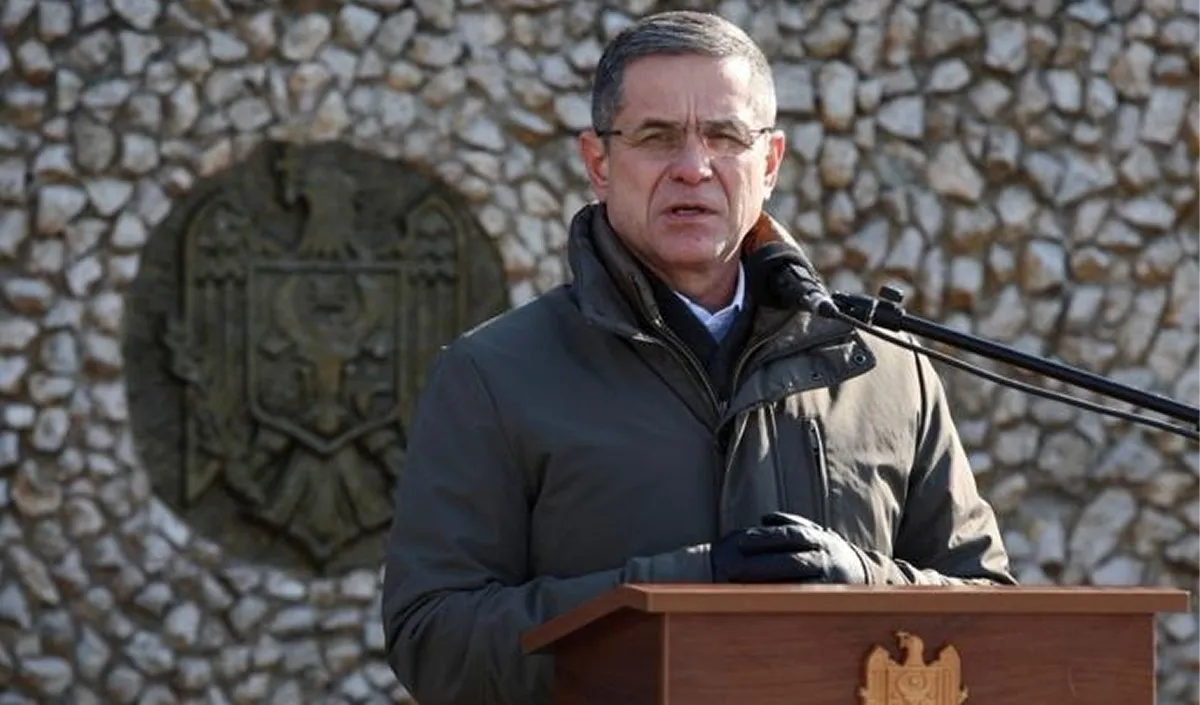
PHOTO: ELTA / ANDRIUS UFARTAS
A meeting of EU energy ministers took place in Luxembourg. Discussions centred on a possible reduction in gas consumption, an increase in liquefied natural gas (LNG) supplies and a review of the requirements for filling gas storage facilities. However, the talks concluded without agreement on any new mandatory measures, reports Euronews.
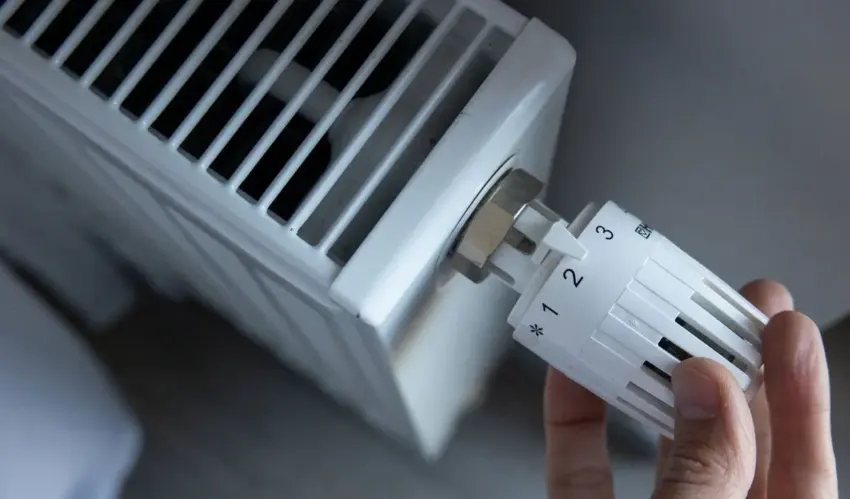
Dan Jørgensen, the European Commissioner for Energy, warned that the number of Europeans unable to afford to heat their homes could rise. He said the energy crisis could prove more severe than the one Europe faced in 2022.
The situation is complicated by military conflicts in the Middle East and disruptions to energy supplies. The closure of the Strait of Hormuz, through which around a fifth of the world’s oil and gas supplies pass, has increased pressure on energy markets.
Europe’s gas storage facilities are not full
According to Reuters, as of 29 October, stock levels stood at around 75 per cent, compared with 83 per cent a year earlier. This is the lowest figure for this date since 2011.
The European Commission does not see an immediate threat of gas supply disruptions, but acknowledges that a cold winter could put further strain on stocks.
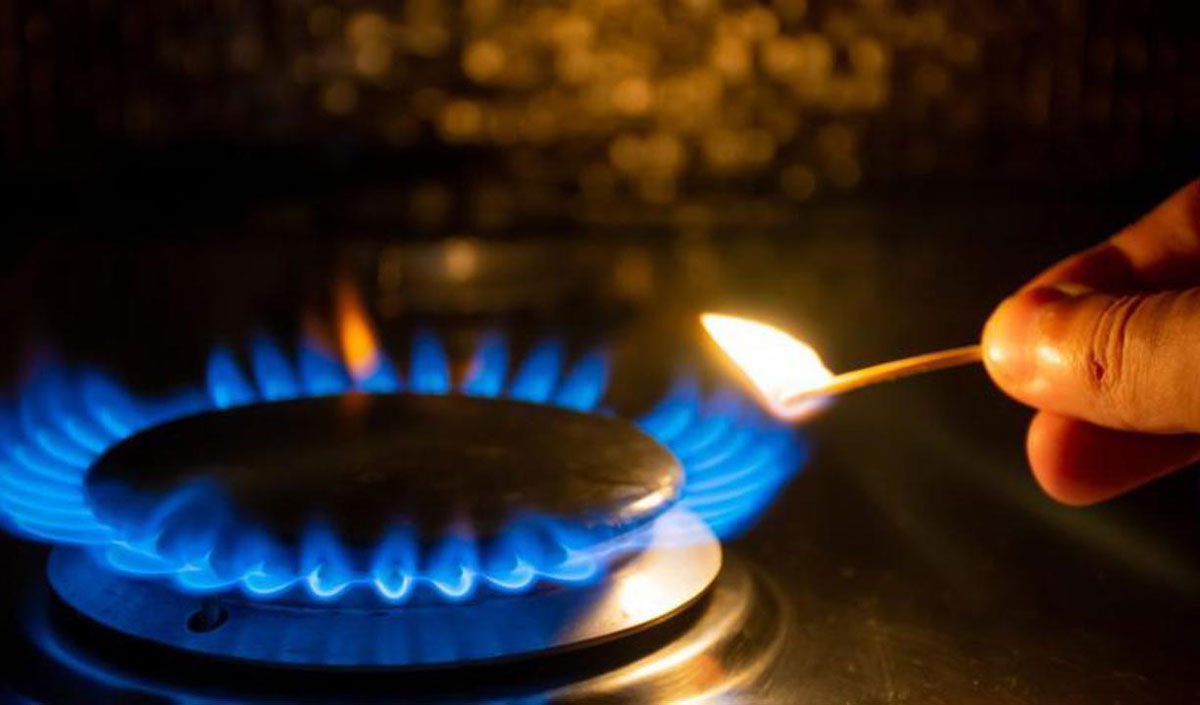
At the same time, energy prices are rising. The price of Brent crude has risen to around $110 per barrel, whilst wholesale gas prices in Europe briefly reached €100 per megawatt-hour — for the first time since December 2022. According to Reuters, this is roughly three times higher than the level prior to the start of the war with Iran. The rise in gas prices is also being reflected in electricity costs, as gas-fired power stations in many EU countries continue to influence the setting of market tariffs.
What measures is the European Union discussing?
At the meeting, ministers considered several options for action.
The first involves a voluntary reduction in gas consumption, lowering the target storage fill rate from 90 per cent to 80 per cent, increasing LNG imports, and joint fuel procurement by EU countries. A lower storage fill target would avoid the need to actively buy up gas ahead of winter, which would further drive up prices.
Another initiative concerns the revision of network tariffs and taxes on electricity. The European Commission proposes making electricity more cost-effective compared to gas, as well as expanding the use of smart meters, which will help consumers better control their expenditure.
However, EU countries are divided over tax changes and joint procurement. In particular, Sweden and Poland have opposed certain tax proposals. Ministers have not agreed on any specific commitments to reduce household bills. The next opportunity to reach a compromise will arise in December.
In Romania, the number of residents unable to afford heating has risen
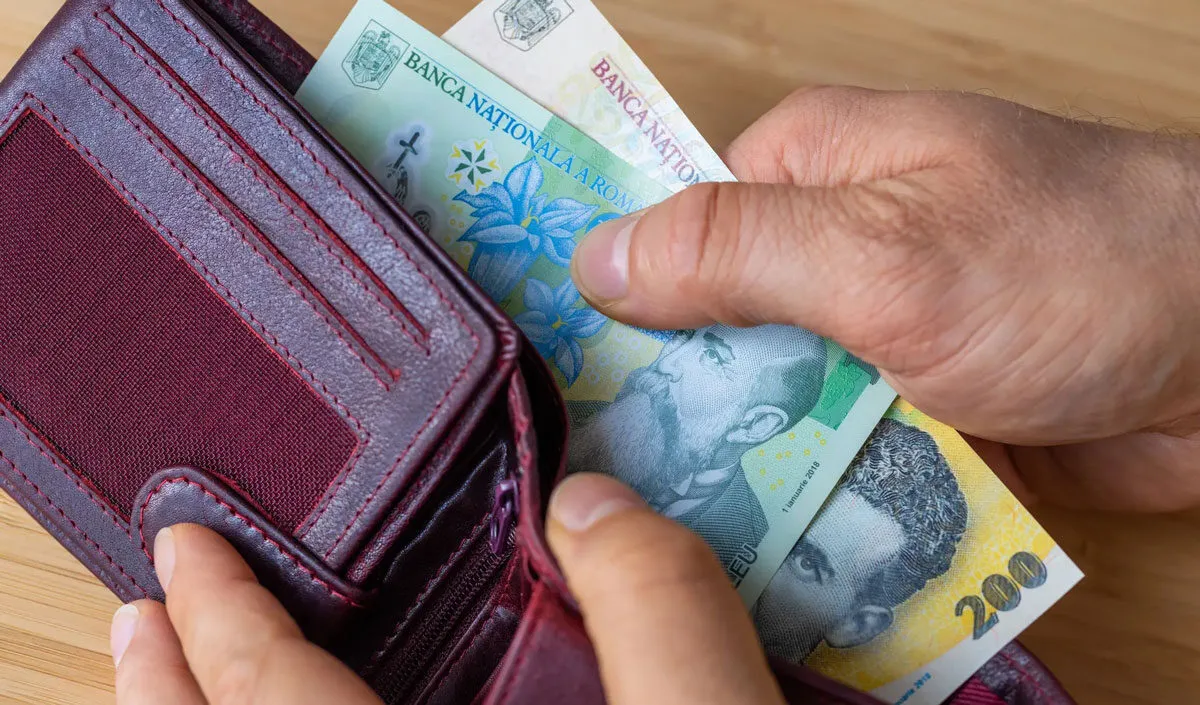
The problem remains particularly acute in Romania too. According to Eurostat, in 2025, 11.9 per cent of the country’s residents could not afford to keep their homes adequately warm. A year earlier, this figure stood at 10.8 per cent.
This is the most significant increase among EU countries – by 1.1 percentage points. By contrast, the EU average fell from 9.2 per cent to 8.8 per cent.
The most difficult situation was in Greece, where 18.1 per cent of the population faced heating problems. Lithuania (16.7 per cent) and Bulgaria (16.1 per cent) followed. The lowest figure was recorded in Finland – 2.6 per cent.
Nevertheless, the European Commission maintains that Europe is now better prepared for energy shocks than it was in 2022. According to Dan Jørgensen, gas consumption in the EU has fallen by 18 per cent compared with 2022, whilst supplies have become more diversified. However, European governments have so far failed to agree on new common measures that could protect households from further rises in their bills.
This story was translated with the assistance of artificial intelligence.The translation was also reviewed by the Logos Press editorial team.
Follow our updates
Have information for the newsroom? Share it with Logos-Press










Comments
0No comments yet. You can start the conversation.
Comments are open to readers with a Logos Press account.
Sign in to comment