


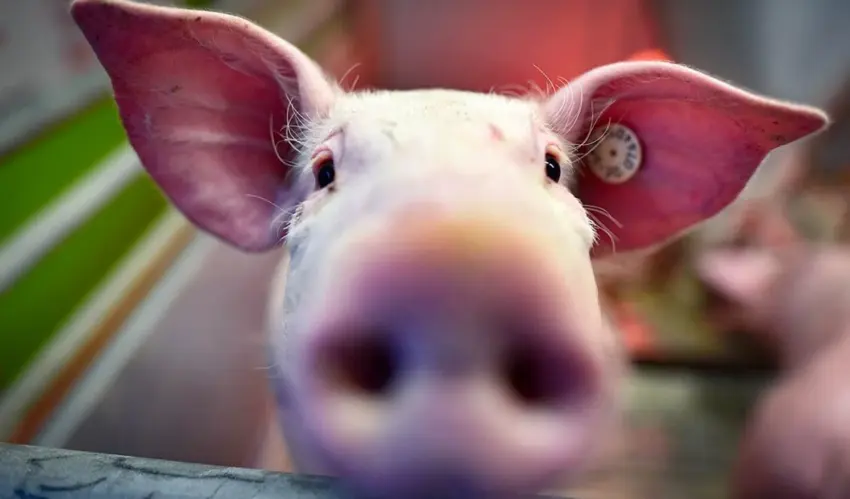
Photo: DPA / ТАСС
At the same time, the outlook for European pork exports remains unfavourable. According to the European Commission’s forecast, total exports in 2026 will fall by 0.5 per cent to less than 2.97 million tonnes. The sharpest decline is expected in exports to China, where shipments could fall by 32 per cent. Increased exports to other countries will only partially offset the losses in the Chinese market, which is intensifying competition amongst European producers, writes farmer.
Domestic pork consumption in the EU also remains relatively stable and shows no significant growth. In 2026, average consumption is forecast at 33.2 kg per person, compared with 33 kg in 2025. At the same time, the EU’s self-sufficiency rate for pork will stand at around 115.2 per cent, compared with 115.4 per cent a year earlier. Production therefore continues to exceed domestic demand, and the ability to sell off surpluses depends to a large extent on export markets.
An increase in production against a backdrop of limited demand and a decline in exports could exacerbate the oversupply of pork in Europe and put further pressure on purchase prices. The situation is complicated by competition from the US and Brazil, where producers have lower production costs. African swine fever remains an additional risk for the European pig farming sector, as it continues to affect the industry in a number of EU countries, notably Germany and Poland.
The revision of the pork production forecast is also significant for the European feed market, as pig farming remains a major consumer of maize, barley and soya meal. Sustained high production volumes may support demand for feed ingredients; however, low profitability in pig farming and price pressures could limit further expansion of the herd. Overall, the European pork market is entering the final period of 2026 with higher-than-expected supply and weak prospects for exports.
This story was translated with the assistance of artificial intelligence.The translation was also reviewed by the Logos Press editorial team.
Follow our updates
Have information for the newsroom? Share it with Logos-Press
























Comments
0No comments yet. You can start the conversation.
Comments are open to readers with a Logos Press account.
Sign in to comment