


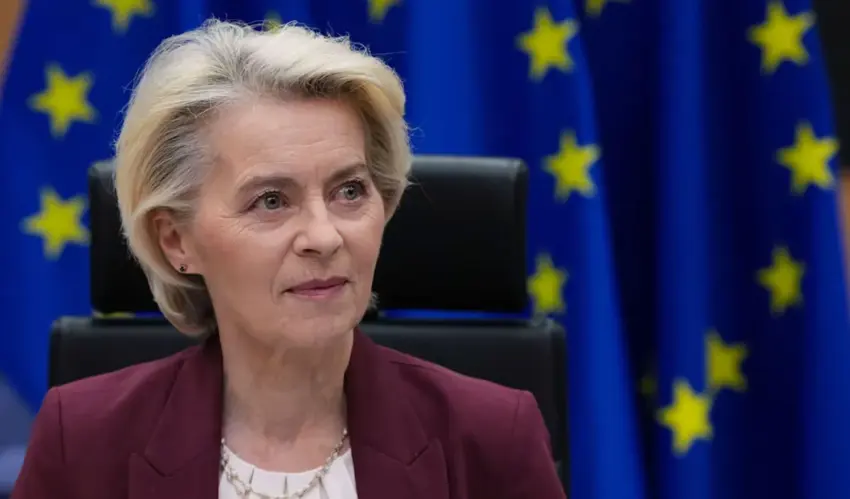
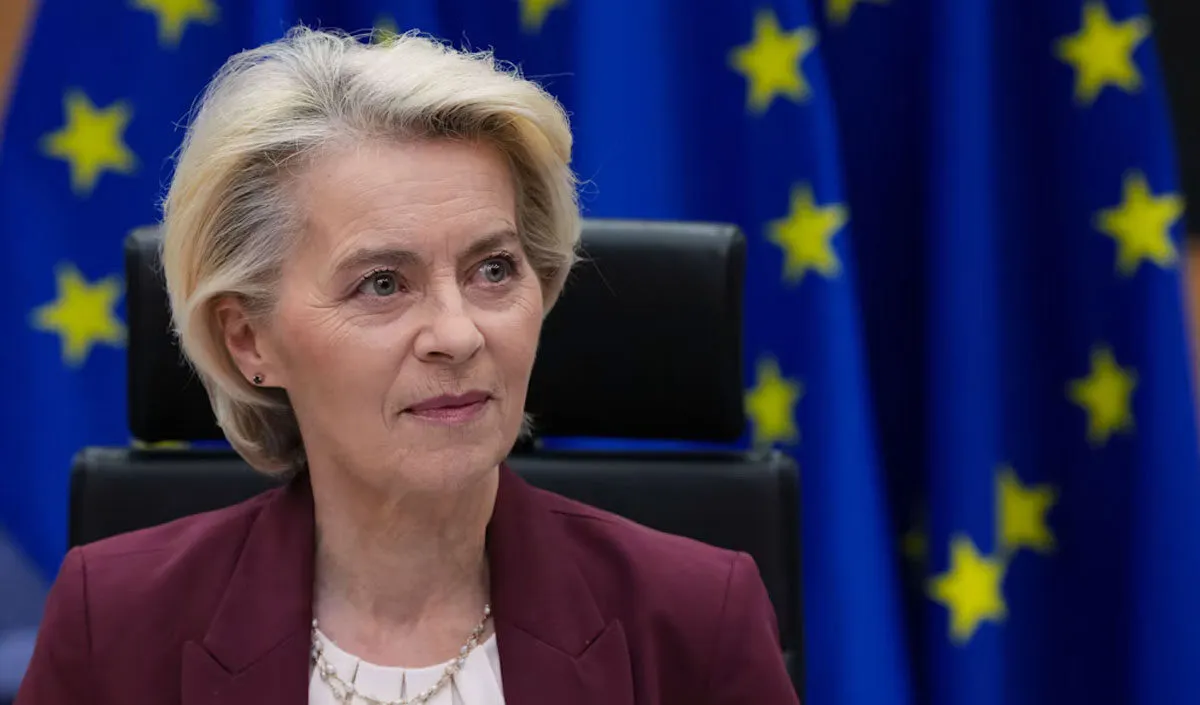
Ursula von der Leyen / AP
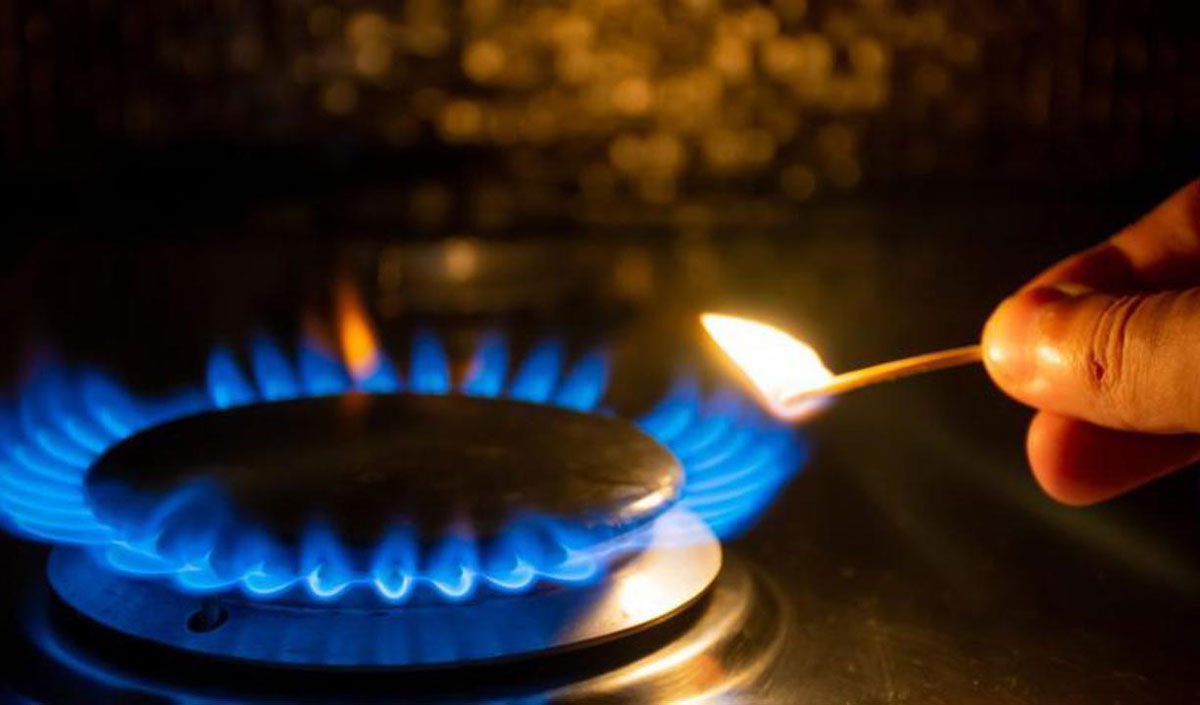
According to the newspaper, Europe has paid more for energy resources without receiving any additional energy in return, the Berliner Zeitung notes.
Speaking on 3 November at the WinWin Brussels Summit in Brussels, an event dedicated to start-ups, the President of the European Commission linked the rise in oil and gas import costs to the European economy’s vulnerability to geopolitical crises.
“When we import oil and gas, we risk importing the associated upheavals and crises as well,” von der Leyen said.
According to her, the transition to clean energy is important not only for achieving climate targets, but also for boosting Europe’s competitiveness and energy independence.
Rising prices are affecting industry and transport
The publication notes that the consequences of disruptions to energy supplies extend beyond the gas and electricity markets. Rising prices for diesel and marine fuel are increasing transport costs, placing an additional burden on agriculture, the fishing industry and logistics.
The Strait of Hormuz is of particular importance to the global liquefied natural gas (LNG) market. According to the International Energy Agency, around 20 per cent of global LNG trade passed through it in 2025.
A significant proportion of supplies from Qatar and the United Arab Emirates were destined for Asia. However, disruptions in this region also affect Europe, as Asian and European buyers compete for available alternative gas supplies.
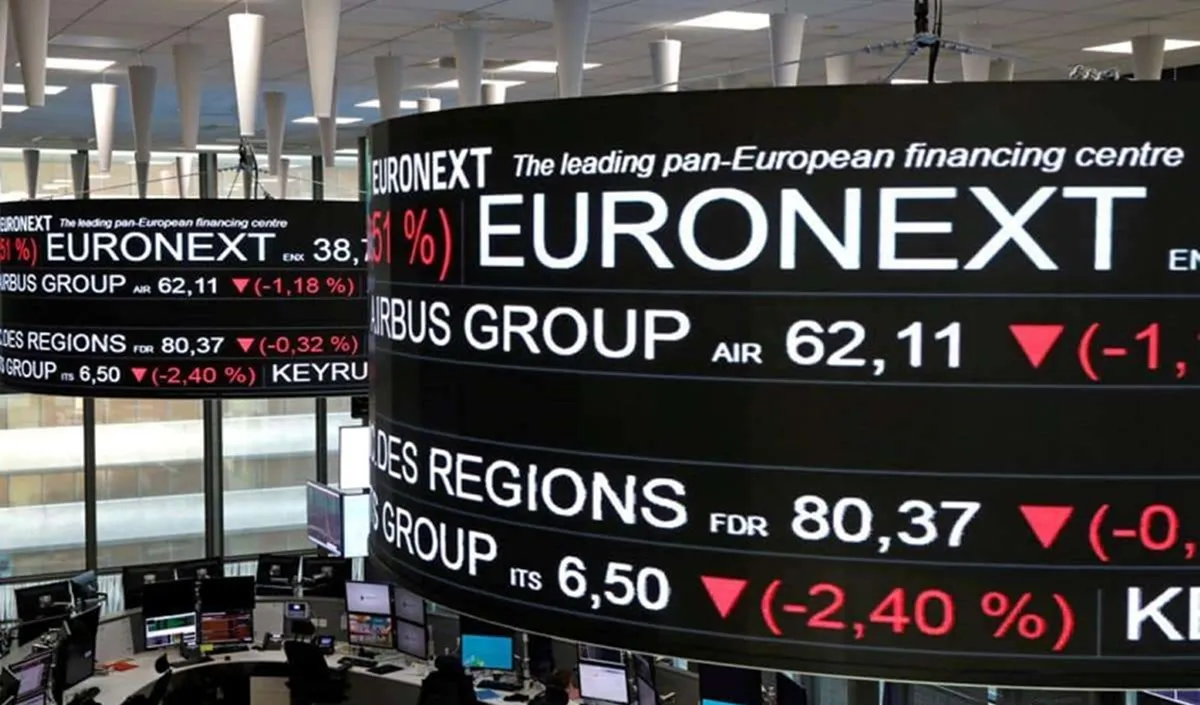
According to figures cited by the Berliner Zeitung, referencing an IEA report, European gas prices between March and October were on average almost 70 per cent higher than during the same period the previous year.
Brussels is banking on energy independence
The European Commission sees accelerating the energy transition as one way of reducing the European economy’s dependence on external supplies and international price fluctuations.
Von der Leyen reaffirmed the EU’s commitment to achieving climate neutrality by 2050. She also reiterated the agreed target of reducing greenhouse gas emissions by 90 per cent by 2040.
According to her, more than €1.2 trillion has been invested in sustainable activities in the European Union since 2021. The President of the European Commission emphasised that such investments require long-term predictability in the business environment.
For European companies, the energy situation means they must take into account not only the current cost of fuel and electricity, but also the risks of supply disruptions, changes to logistics routes and increased competition for energy resources.
The blockade of the Strait of Hormuz has once again raised the question of the cost of Europe’s energy dependence. For the EU, the challenge lies in simultaneously keeping business costs down, diversifying supplies and developing its own energy sources, the Berliner Zeitung emphasises.
This story was translated with the assistance of artificial intelligence.The translation was also reviewed by the Logos Press editorial team.
Follow our updates
Have information for the newsroom? Share it with Logos-Press










Comments
0No comments yet. You can start the conversation.
Comments are open to readers with a Logos Press account.
Sign in to comment