


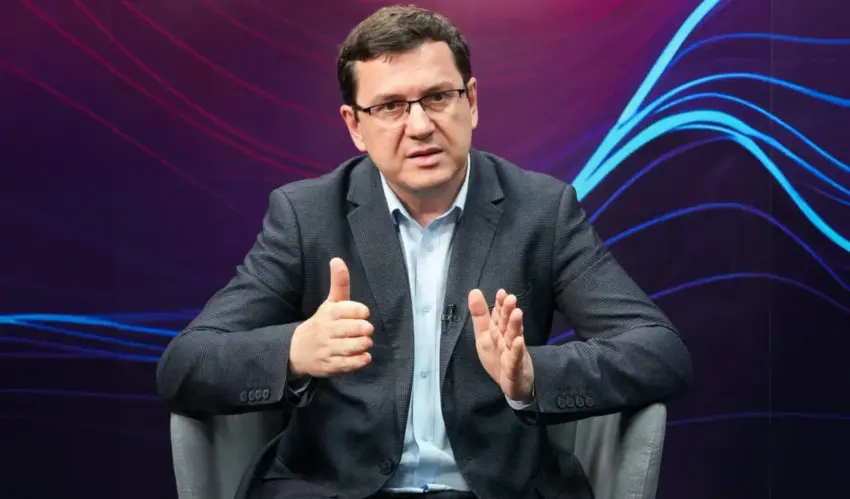
Marcel Spatari
The American Chamber of Commerce in Moldova (AmCham Moldova) presented the results of the fourth edition of the AmCham METRIX (Moldovan Economic Transformation and Reform IndeX).
During a special session, discussions focused on solutions that would enable Moldova to overcome the trap of competitiveness based solely on cheap labour and to capitalise on future opportunities, including Ukraine’s post-war reconstruction.
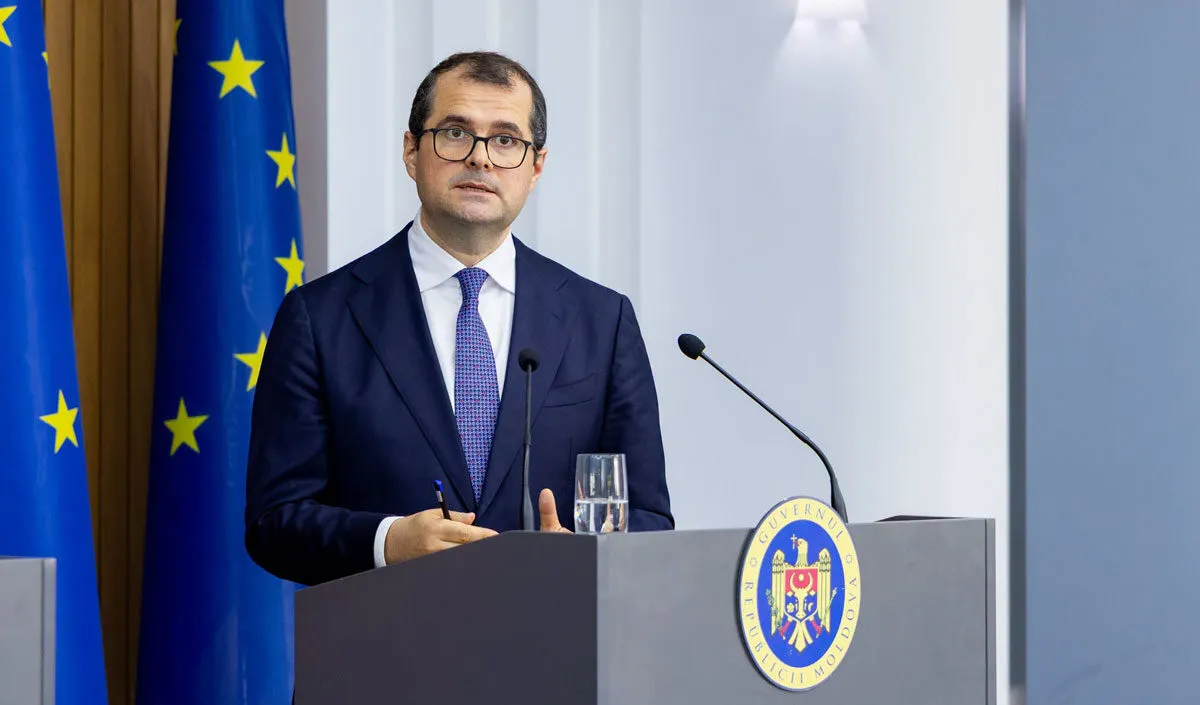
Marcel Spatari emphasised that the key to economic growth lies in the modernisation of major infrastructure projects, such as the future Ungheni–Chișinău motorway and airport development, as well as the integration of domestic value chains.
Labour productivity depends on automation
‘Employee productivity and labour productivity as a whole depend far more on investment in production, technology, robotisation and automation than on employees’ qualifications. Under the same technological conditions, employees’ qualifications do matter, but if we want to make a qualitative leap rather than a gradual one, we need investment in technology.’
Speaking about the fragmentation of the local economy, Marcel Spatari emphasised: “The economy will develop when companies integrate with one another, sell their products to one another and increase added value along the supply chain. The processing chain must be domestic; we must export fewer raw materials and more finished products, but to achieve this we must cooperate.”
This story was translated with the assistance of artificial intelligence.The translation was also reviewed by the Logos Press editorial team.
Follow our updates
Have information for the newsroom? Share it with Logos-Press






















Comments
0No comments yet. You can start the conversation.
Comments are open to readers with a Logos Press account.
Sign in to comment