

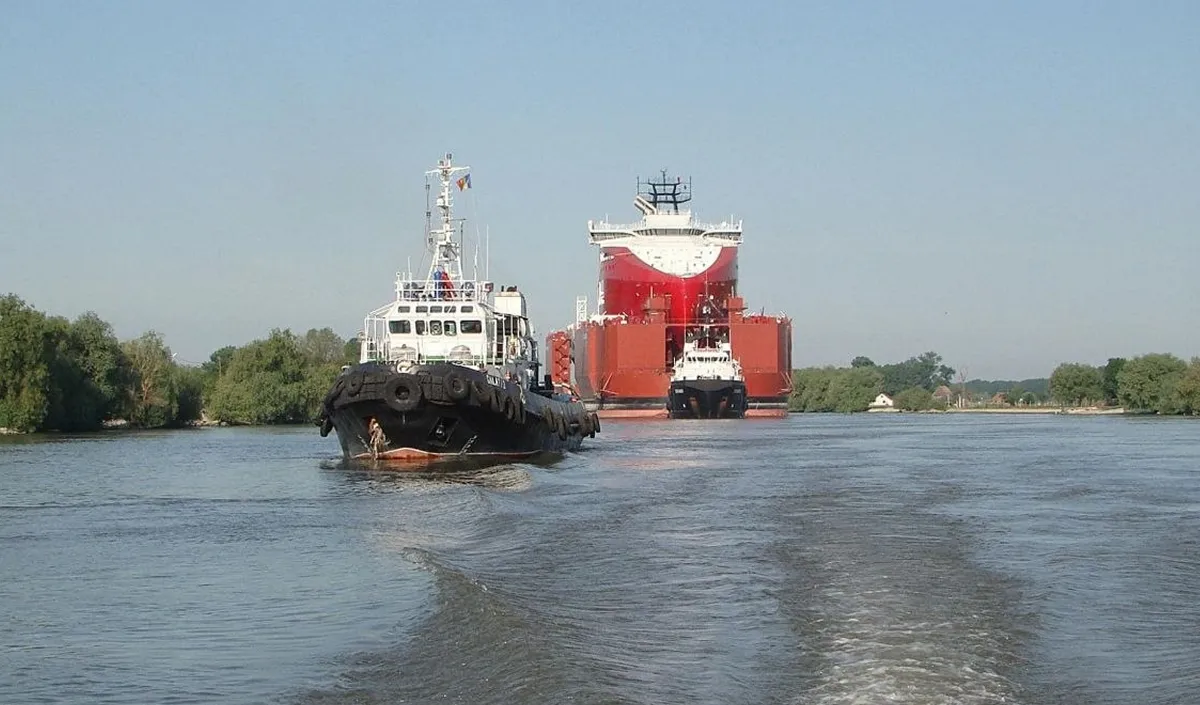
However, priority passage does not mean that a vessel is automatically moved to the front of the queue regardless of its readiness. If a vessel carrying vegetable oil is a long way from Sulina or is not yet ready to pass through the canal, but the pilot is already ready to carry out his duties, he is directed to the next vessel in the queue. Thus, the mechanism provides priority to vessels carrying vegetable oil provided they are actually ready to transit, which helps to avoid downtime for staff. This was reported by Ekaterina Kononenko, Operations Manager at Avalon Shipping.
At the same time, the new rules are not yet expected to have a significant impact on overall vessel traffic. As Ekaterina Kononenko noted, the share of vegetable oil in the structure of freight transport is significantly smaller than that of grain, so giving priority to this category of vessels is unlikely to significantly alter the situation regarding queues. As of 26 October, there were around 80 vessels in the Sulina roadstead, with a further 25 or so ready to leave the canal.
At present, weather conditions are having a much greater impact on vessel traffic. In particular, thick fog in the Tulcea area has been delaying vessels heading from the 44th mile to complete the necessary formalities for the second day running. According to an Avalon Shipping manager, the delays amount to around half a day. It is precisely this limited visibility that is currently creating more obstacles to shipping than the introduction of the new priority system. Furthermore, draught restrictions for vessels remain in place on the Danube, writes ukragroconsult.
This story was translated with the assistance of artificial intelligence.The translation was also reviewed by the Logos Press editorial team.
Follow our updates
Have information for the newsroom? Share it with Logos-Press



















Comments
0No comments yet. You can start the conversation.
Comments are open to readers with a Logos Press account.
Sign in to comment