

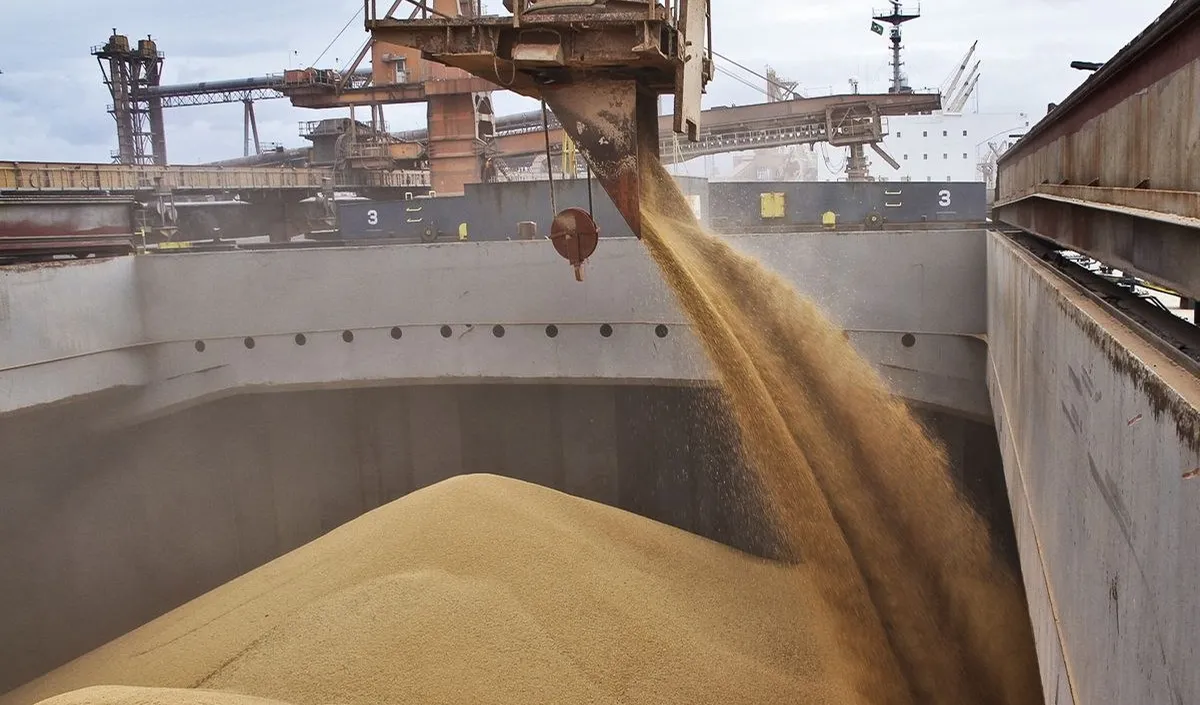
According to Argus estimates, MENA countries could import 5.56–7.06 million tonnes of wheat in November–December 2026. The greatest uncertainty surrounds Egypt, whose total demand for wheat during this period is estimated at 2–3.5 million tonnes. Egypt’s actual purchase volume will significantly affect the supply balance in Europe and the availability of grain for other importers in the region. Other major importers include Algeria, with potential demand of 1.26 million tonnes; Morocco, with 900,000 tonnes; and Saudi Arabia, with 683,000 tonnes.
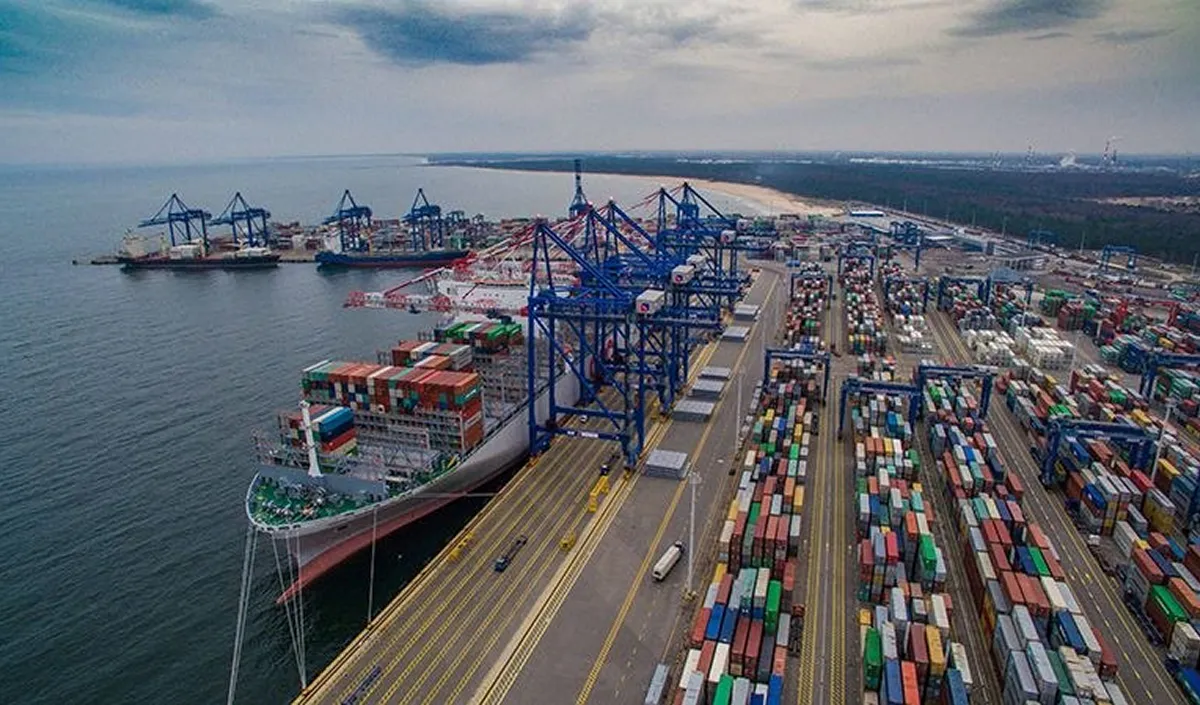
Wheat exports from Russia via the Baltic ports in November–December could reach 3 million tonnes. Argus estimates Ukraine’s export potential for this period at approximately 250,000 tonnes, based on the average volume of sea shipments in August–October. However, export flows may be constrained by logistical risks. The freezing of the Baltic Sea could affect operations at Russian and European ports, whilst low water levels in the Danube are hampering the transport of grain from Ukrainian ports.
Wheat exports from the EU traditionally slow down in November–December following the end of the main shipping season. Given Argus’s forecast of EU grain exports at 31 million tonnes in the 2026/27 marketing year, potential shipments in November–December may only slightly exceed 5 million tonnes. Furthermore, EU countries’ export capacity is also being utilised for the shipment of spring crops, in particular maize and sunflower seeds, especially in Romania and Bulgaria.
Overall, wheat exports from Russia, Ukraine and the EU in November–December could total around 8.3 million tonnes, including food and feed grain. However, this is assuming a favourable combination of circumstances.
This story was translated with the assistance of artificial intelligence.The translation was also reviewed by the Logos Press editorial team.
Follow our updates
Have information for the newsroom? Share it with Logos-Press























Comments
0No comments yet. You can start the conversation.
Comments are open to readers with a Logos Press account.
Sign in to comment