

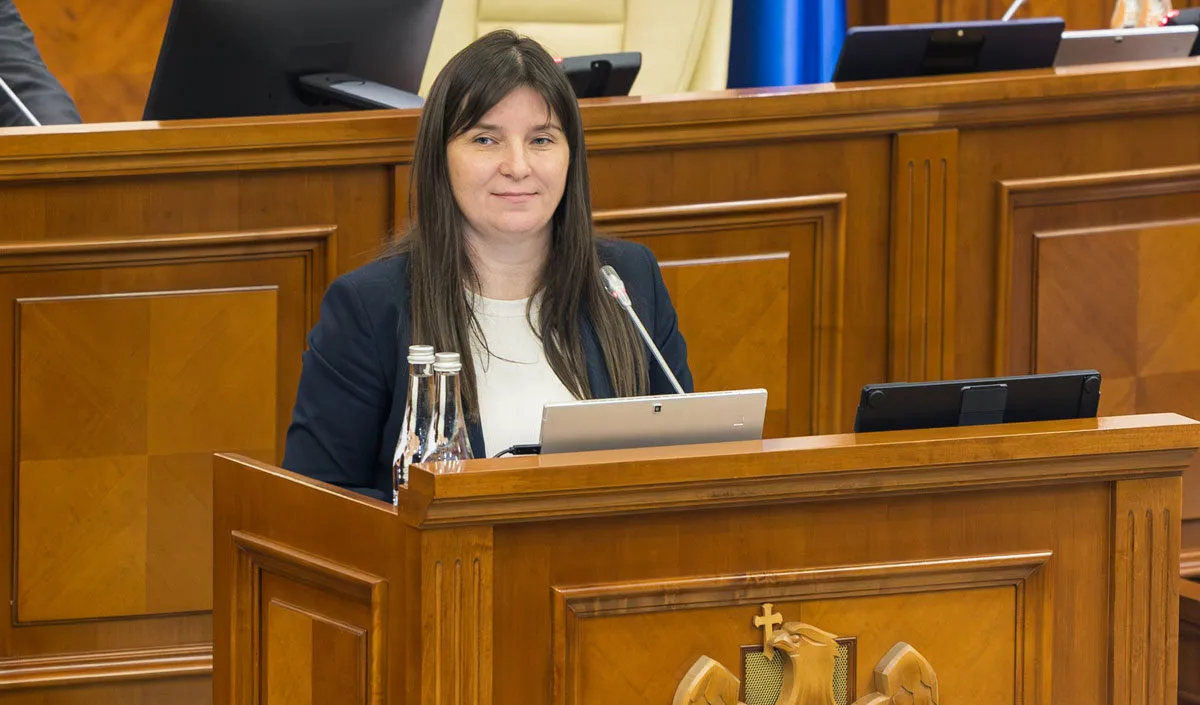
Victoria Belous
Between 1 September and 25 October, the authorities collected over 2.8 million lei, of which 900,000 lei came from the sale of jewellery and 644,000 lei from beer. The statements were made by the Minister of Finance, Victoria Belous.
The Minister of Finance maintains that the application of taxes and duties to businesses on the left bank of the Dniester represents a step towards fiscal convergence between the two banks of the Dniester.
“Citizens on the left bank of the Dniester receive healthcare and social assistance within the territory of the Republic of Moldova, and it is only fair that this part of the Republic of Moldova’s territory should also contribute. We have set up this convergence fund. All the money we collect from the taxes and duties paid by businesses on the left bank of the Dniester will be channelled for the benefit of these citizens,” Belous told the public radio station.
“The state spends 40–50 times more”
According to the minister, the Government of the Republic of Moldova currently spends far more on these citizens than it collects from VAT and excise duties:
“In the health sector, we already have tens of thousands of people covered by health insurance, and the costs borne by the budget are significant. I believe the state spends at least 40–50 times more, if we take into account just a few categories of services that we provide.”
Victoria Belous noted that it is too early to estimate the long-term impact of the measure, as businesses in the region might alter their import strategies and tax behaviour. At the same time, the minister emphasised that the authorities do not, for the time being, expect significant revenue from these taxes.
This story was translated with the assistance of artificial intelligence.The translation was also reviewed by the Logos Press editorial team.
Follow our updates
Have information for the newsroom? Share it with Logos-Press

























Comments
0No comments yet. You can start the conversation.
Comments are open to readers with a Logos Press account.
Sign in to comment